Capturing Everest
The problem
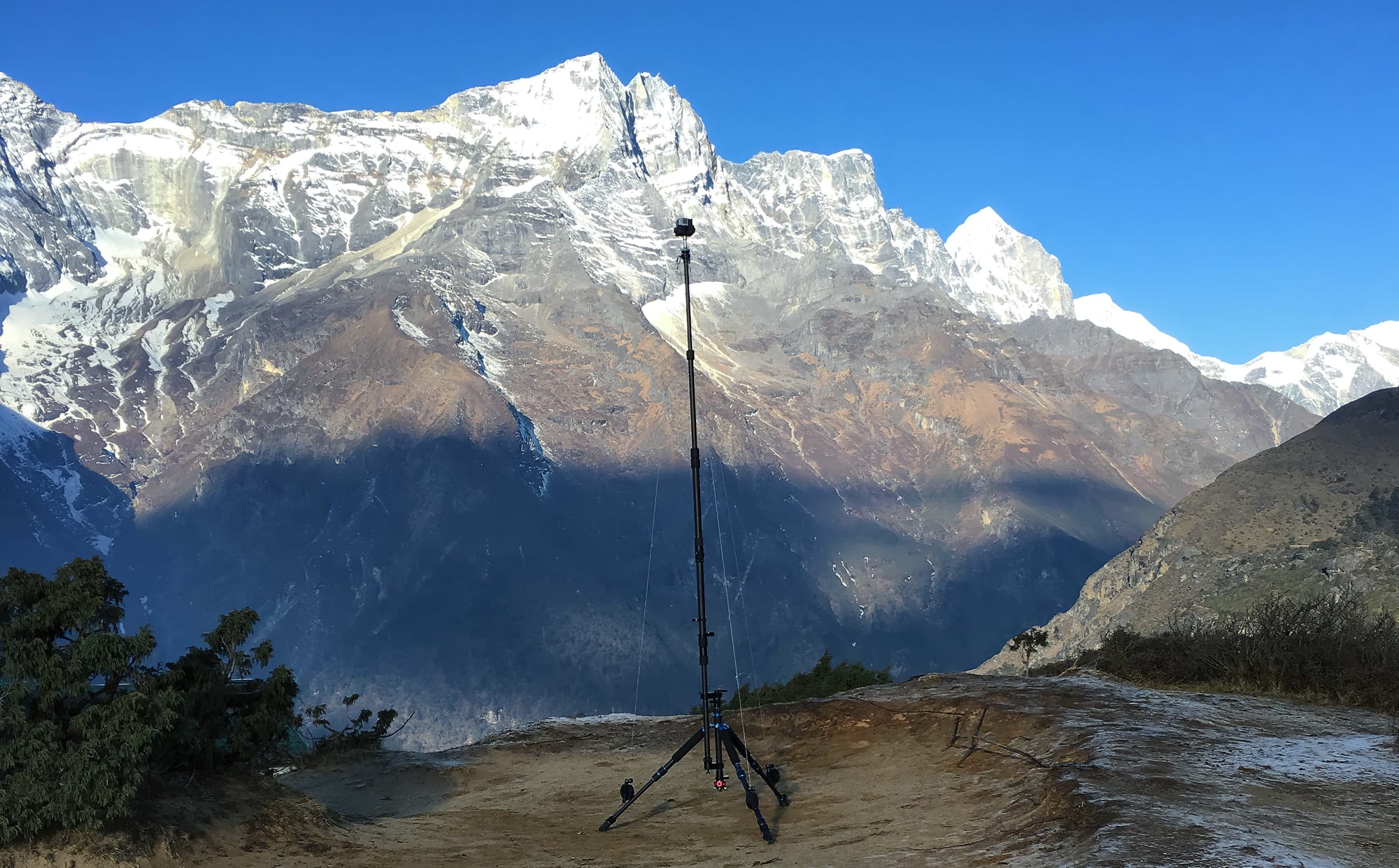
No 360 rig on the market could survive Everest. Batteries die, lubricants freeze, and a camera that fails above the Icefall cannot be recovered, let alone repaired.
The approach
Build the hardware for the mountain rather than adapt hardware to it — cold-weather 360 rigs plus drones specified for the altitude and the shot list, not the catalogue.
What was built
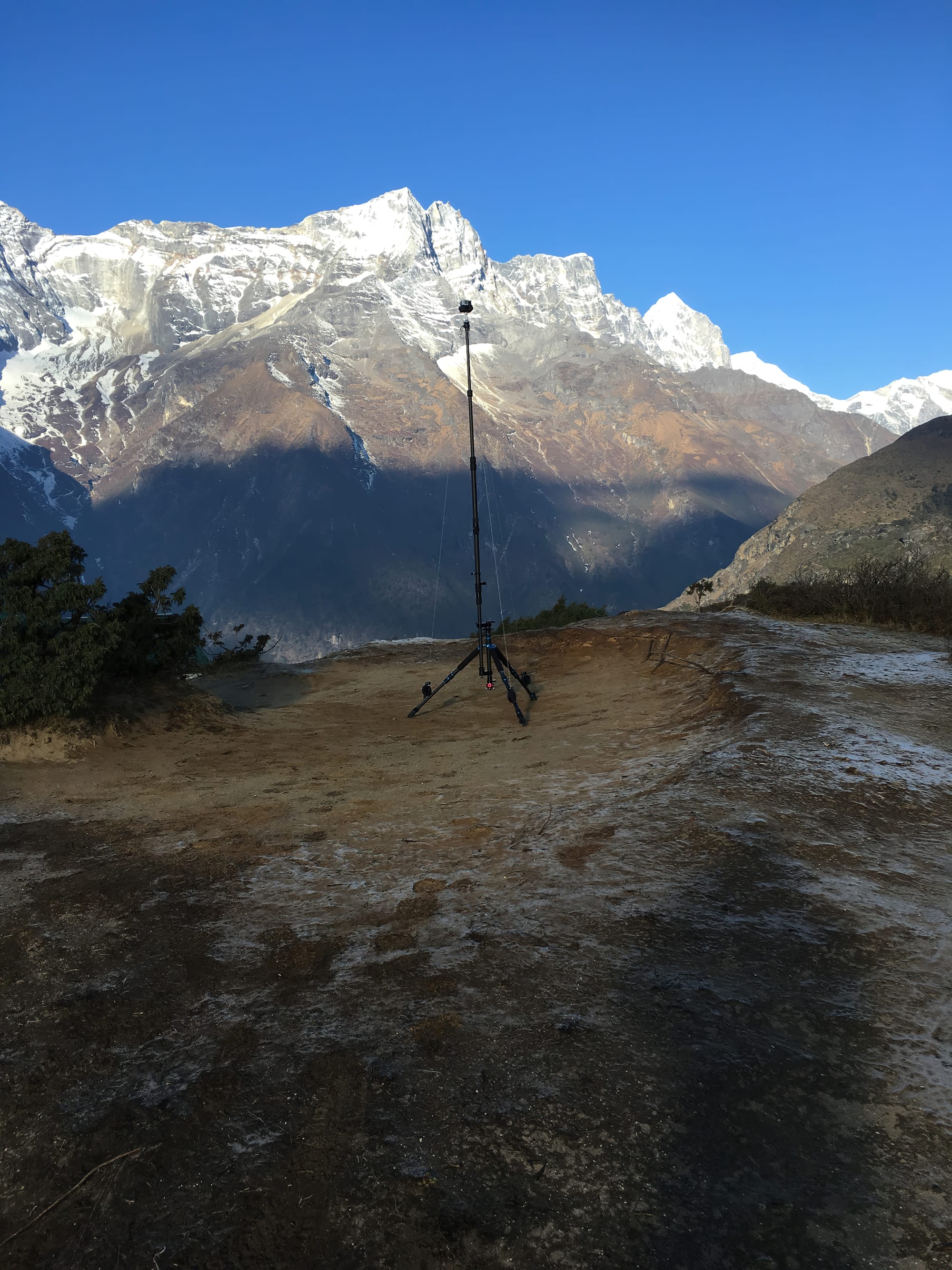
Zip-line- and harness-mounted stereoscopic 360 capture rigs, engineered for roughly two months of continuous on-location shooting in spring 2016.
The outcome
Four VR chapters on the LIFE VR app, an SI.com microsite, and Sports Illustrated's first AR print issue. Sports Emmy for Outstanding Digital Innovation, 8 May 2018.
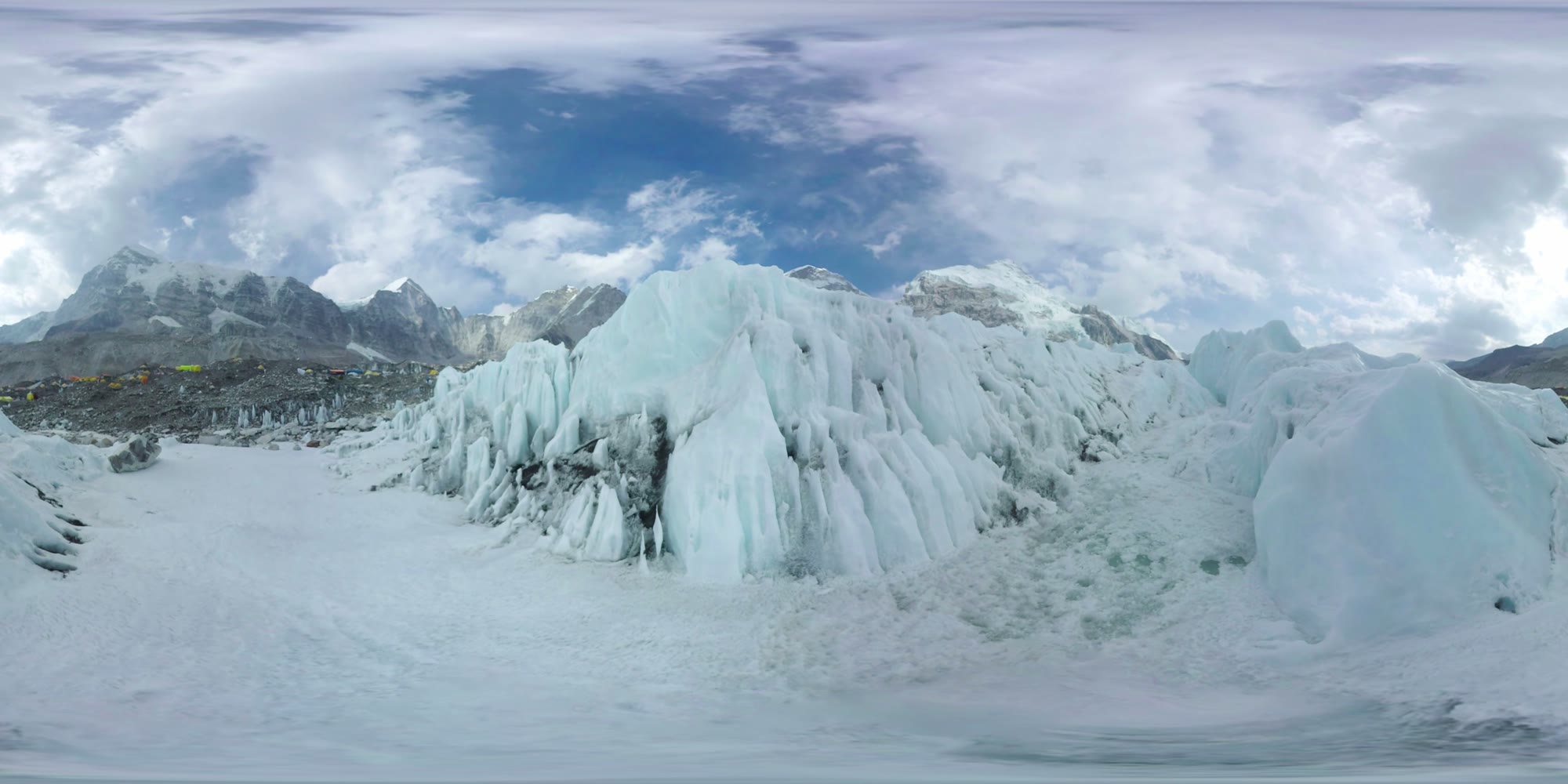
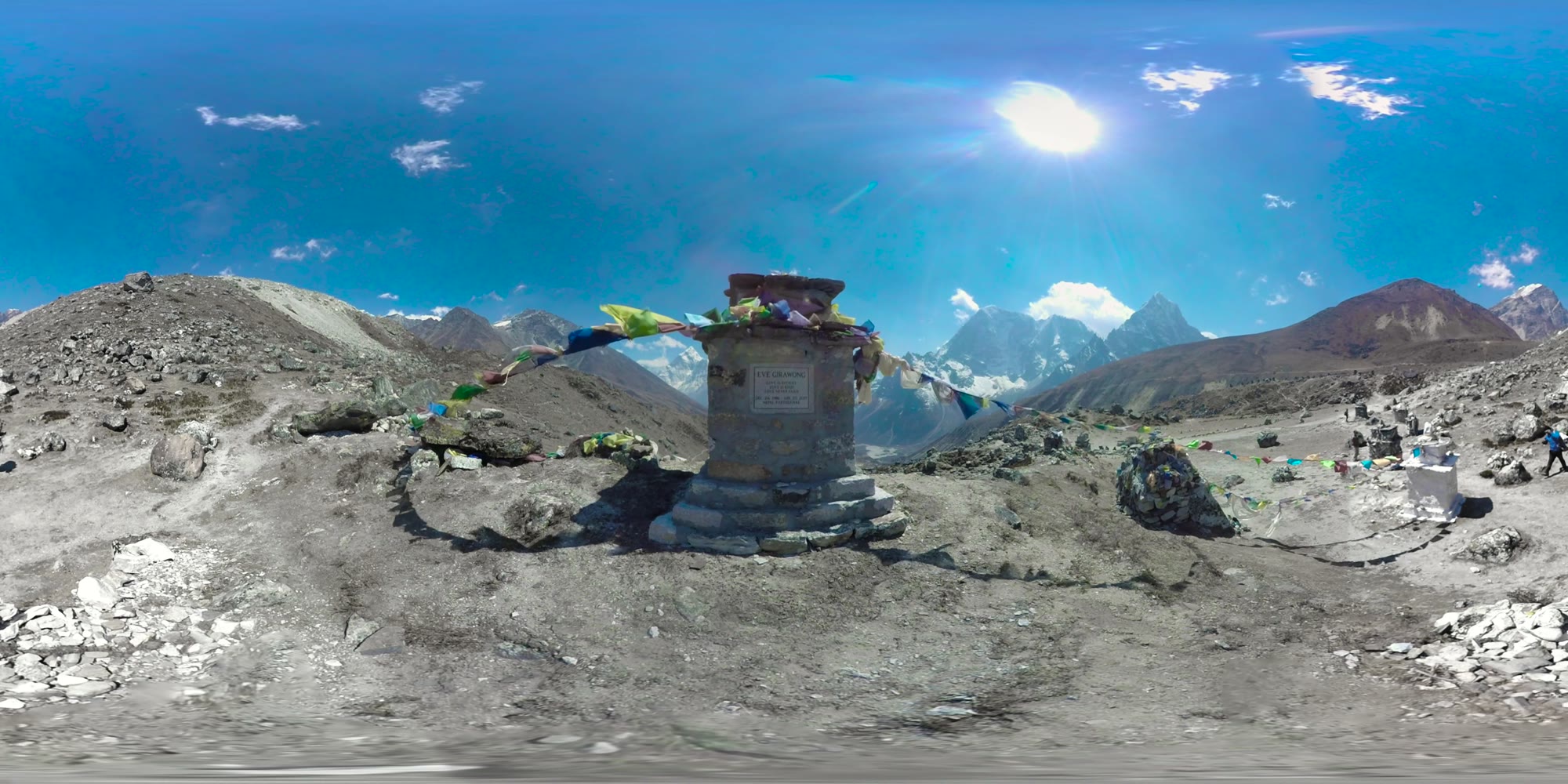
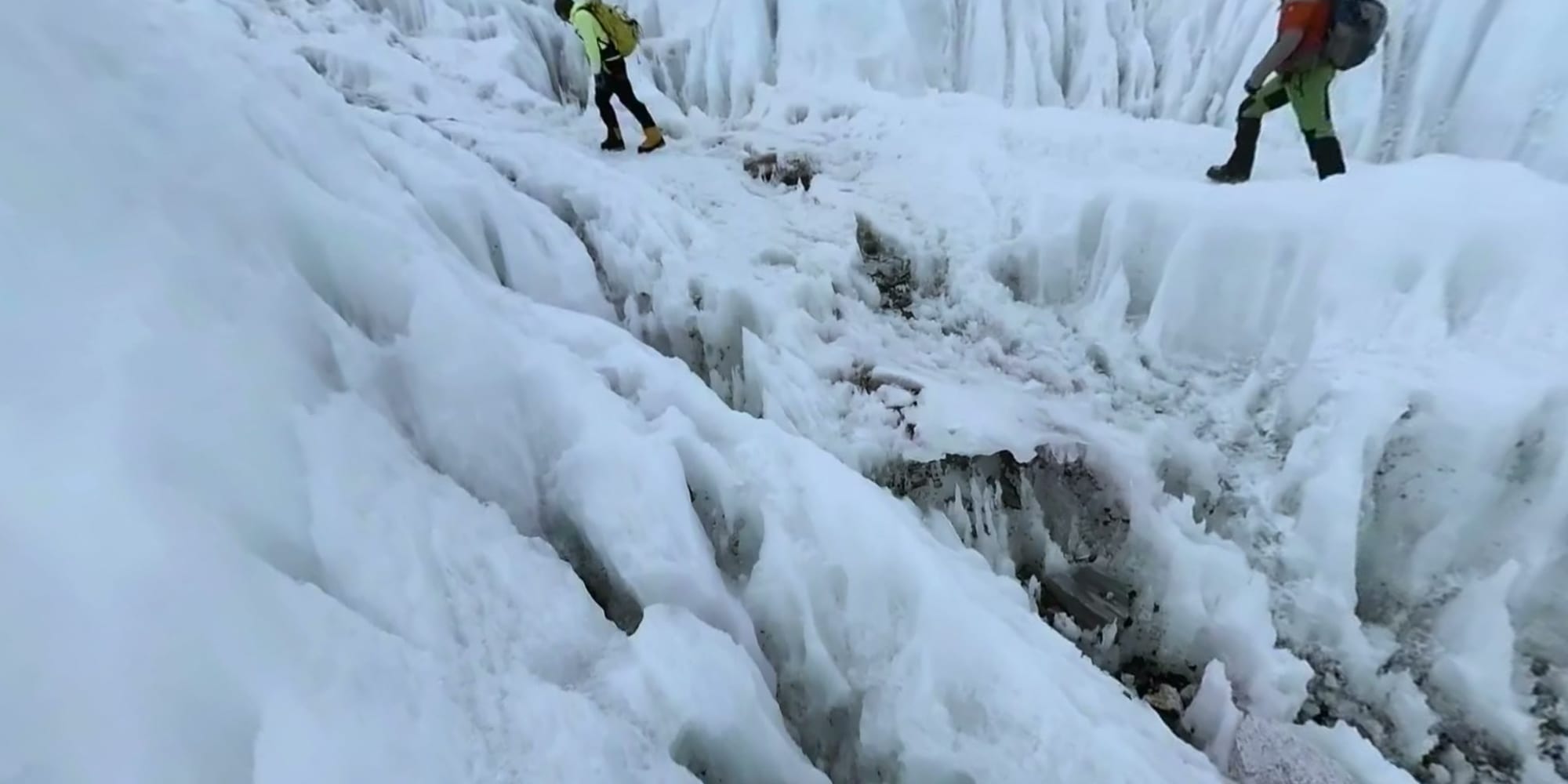
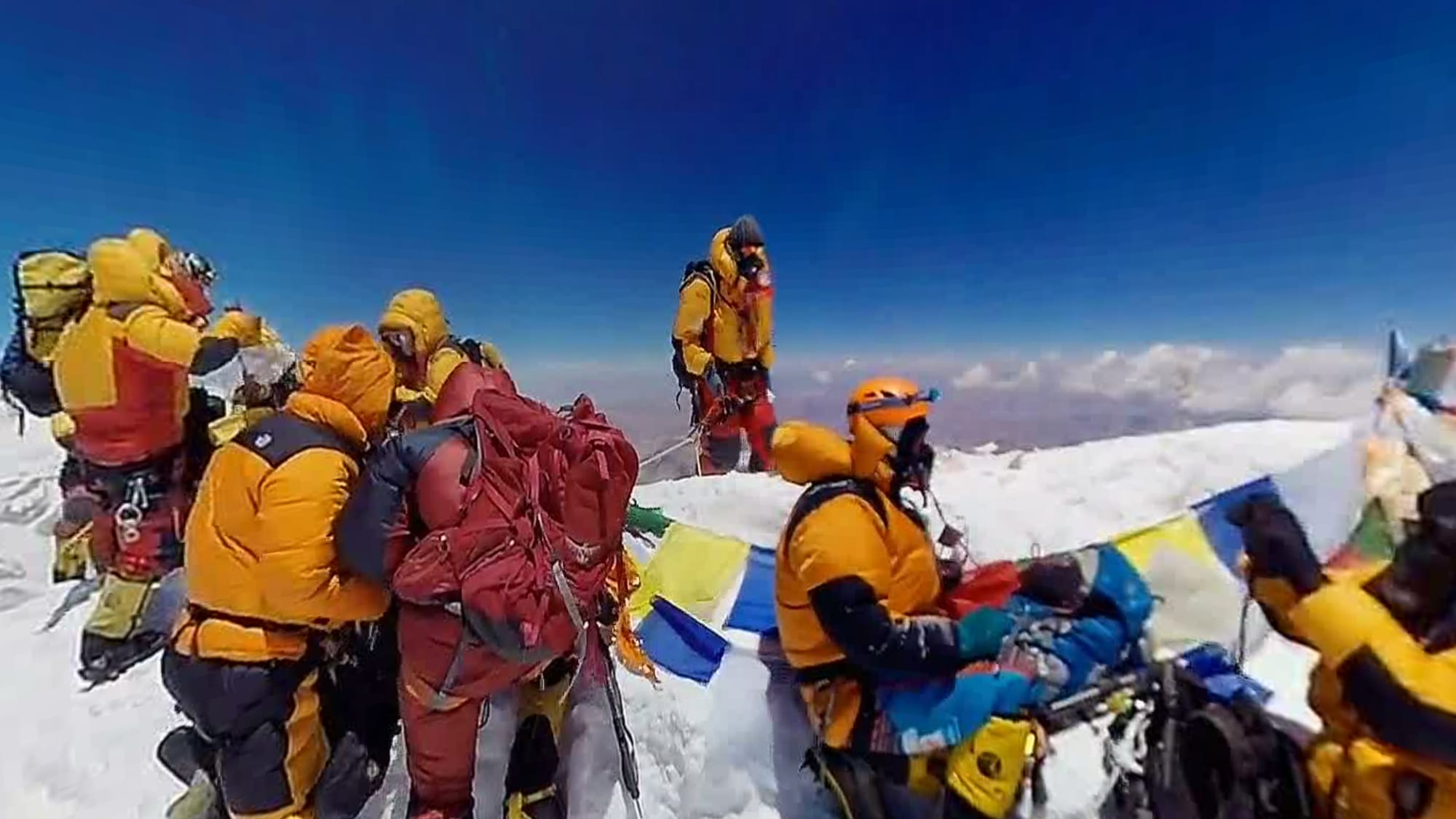
Capturing Everest was the first complete bottom-to-top virtual reality ascent of Mount Everest — zip-line- and harness-mounted 360 rigs, shot on location over roughly two months in spring 2016, in conditions that required custom cold-weather capture equipment and drones built specifically for the mountain. It released in May 2017 as four VR chapters (The Journey, The Blessing, The Icefall, The Summit) on the LIFE VR app, alongside an SI.com microsite and Sports Illustrated’s first AR print issue.
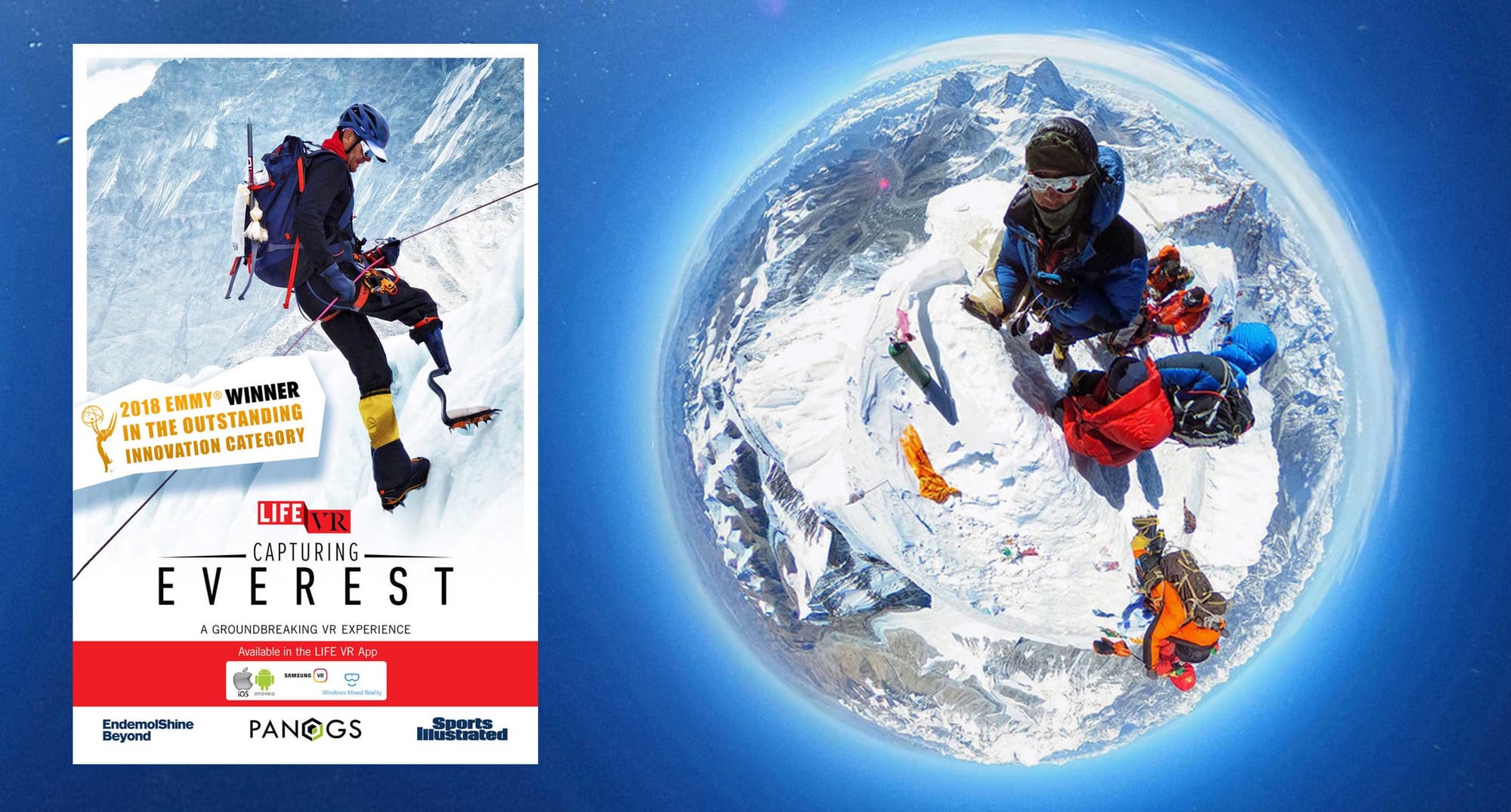
The project won the Sports Emmy for Outstanding Digital Innovation on 8 May 2018 — the Emmy citation credits Sports Illustrated, LIFE VR, and Endemol Shine Beyond USA as the corporate winners.
Role, precisely: Panogs built the cold-weather 360 capture rigs used on the mountain — the hardware that made the shoot survivable and the footage possible. That’s the honest, checkable version, and it’s still extraordinary: extreme-environment rig engineering for the first VR project of its kind, on the world’s tallest mountain, for a production that went on to win a Sports Emmy.
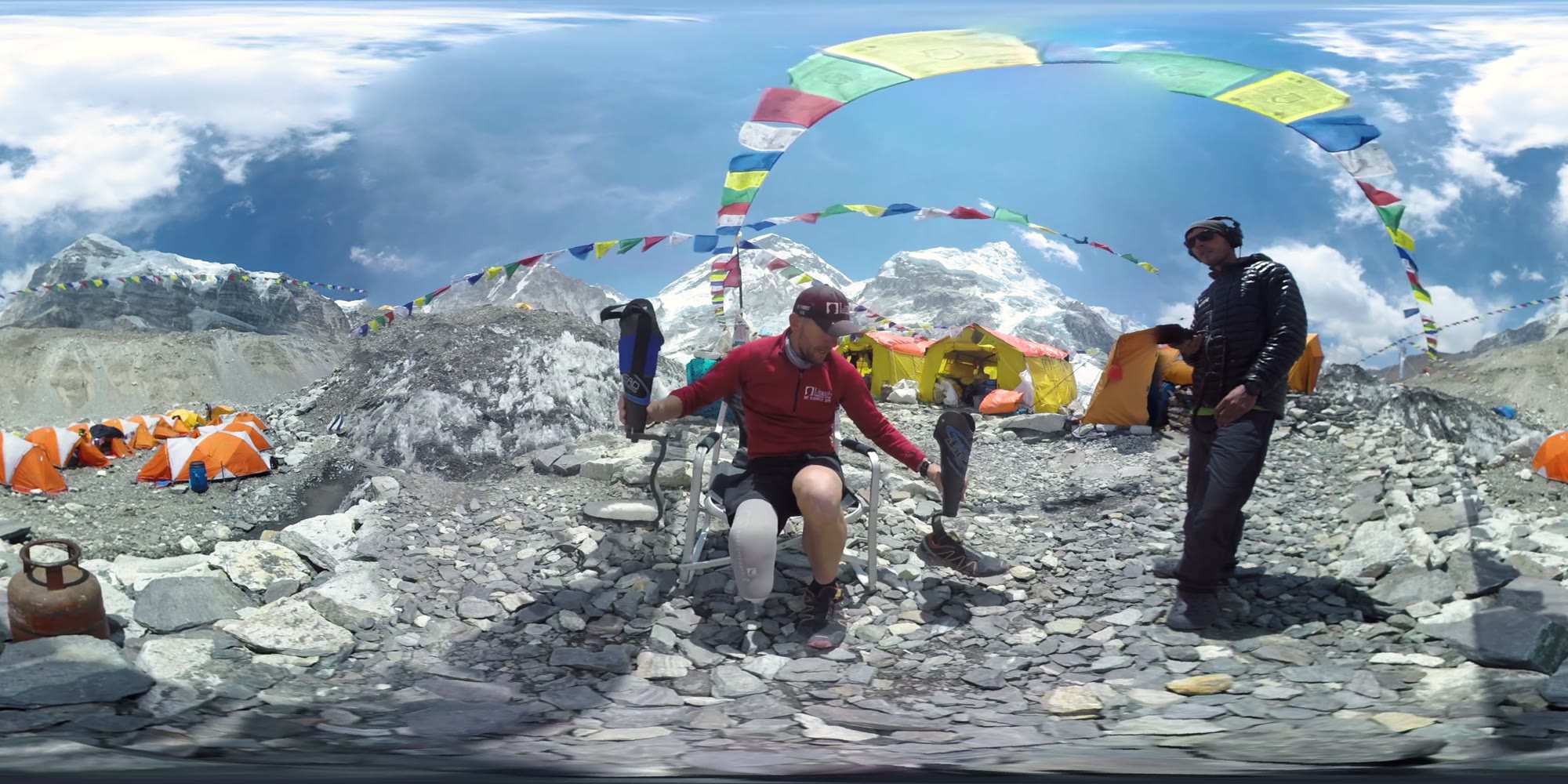
Outstanding Digital Innovation — the first complete bottom-to-top virtual reality ascent of Mount Everest.
The rigs had to survive the mountain before they could shoot it. That constraint designed the hardware.