Yahoo — Ten Years of Ad Creative
A decade inside Yahoo's ad creative organisation, across eight formats — homepage takeovers, login-page skins, the standard display ladder, native, mobile and post-tap gyroscope units, page wallpapers, sales demos, and work that left the browser entirely.
Ten years at Yahoo, from Visual Designer to Senior Design Manager in Ad Creative Technology — a stretch when a single homepage takeover reached an audience most campaigns will never see again, and when the formats themselves were still being invented year to year.
The eight groups below are the formats, not the clients. Each one is a different problem: a takeover is a page-design problem, a login skin is a problem of composing around something you cannot move, a standard unit is a craft problem inside a fixed pixel box and a file-size ceiling, and a post-tap gyroscope build is an interaction problem. The client logos change; the constraint is what makes each group its own discipline.
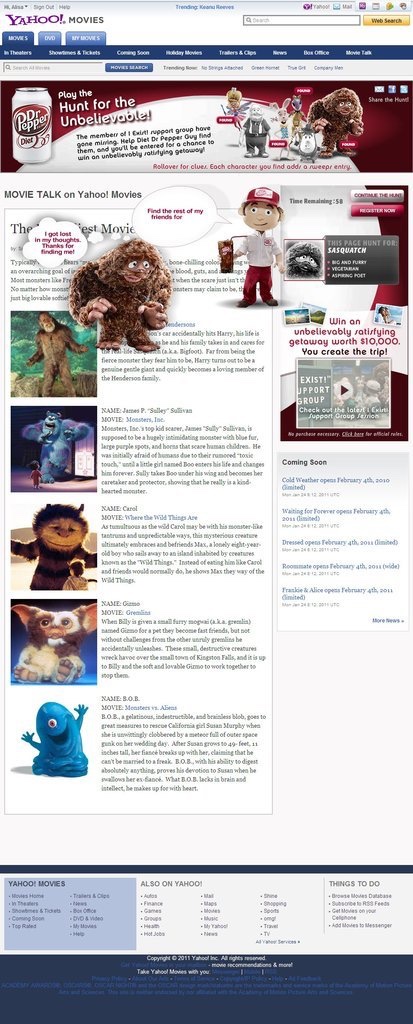
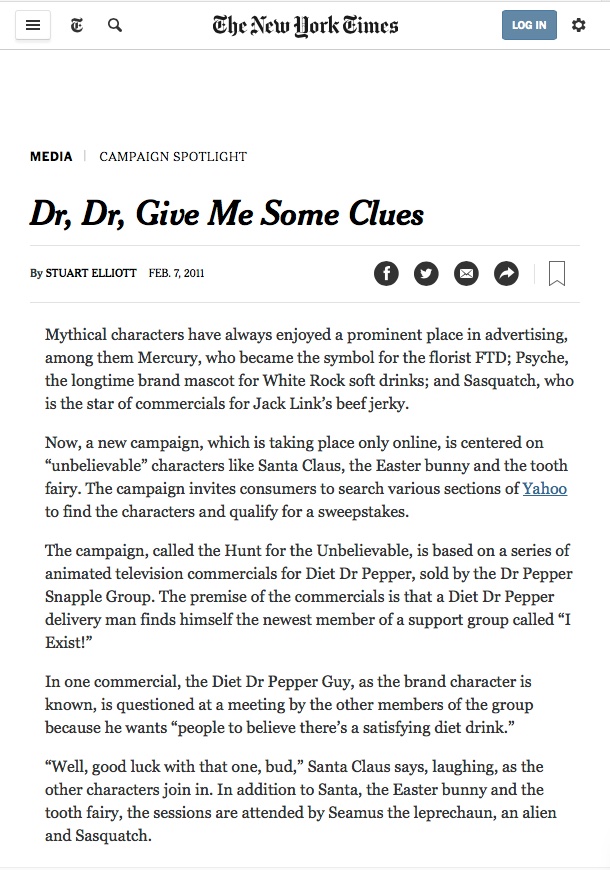
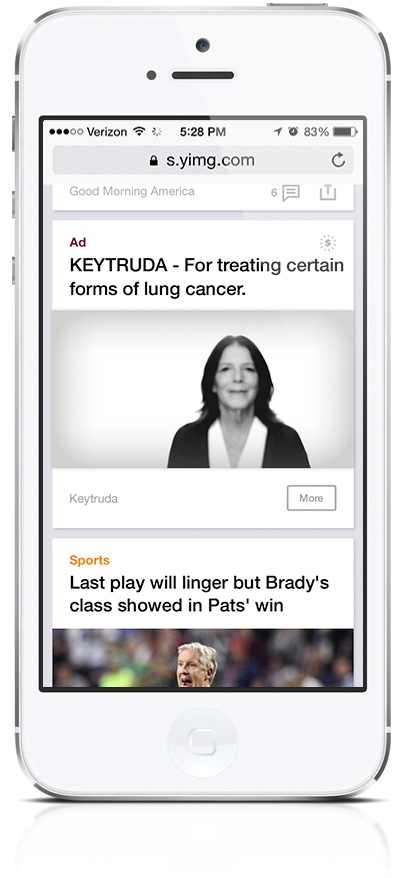
External corroboration. The Dr Pepper “unbelievable characters” campaign that ran on Yahoo was covered by the New York Times — Stuart Elliott, “Dr, Dr, Give Me Some Clues,” 7 February 2011 (Wayback capture; the live URL now 403s). The article confirms the campaign ran and ran on Yahoo — it does not name Gavin, and is cited here as proof the work shipped, not as a credit. Two of the mobile post-tap units were published as Yahoo native-ad specs on the Ad Creative Tech Showcase and survive only as archives: the Campbell’s demo link ad and the JetBlue demo link ad specs.
The VR ad formats built in the last years of this tenure are a separate project — see Yahoo’s first VR ad formats. The 2009 Purple Pedals bike is documented at Purple Reigns.
Homepage Takeovers & Floaters
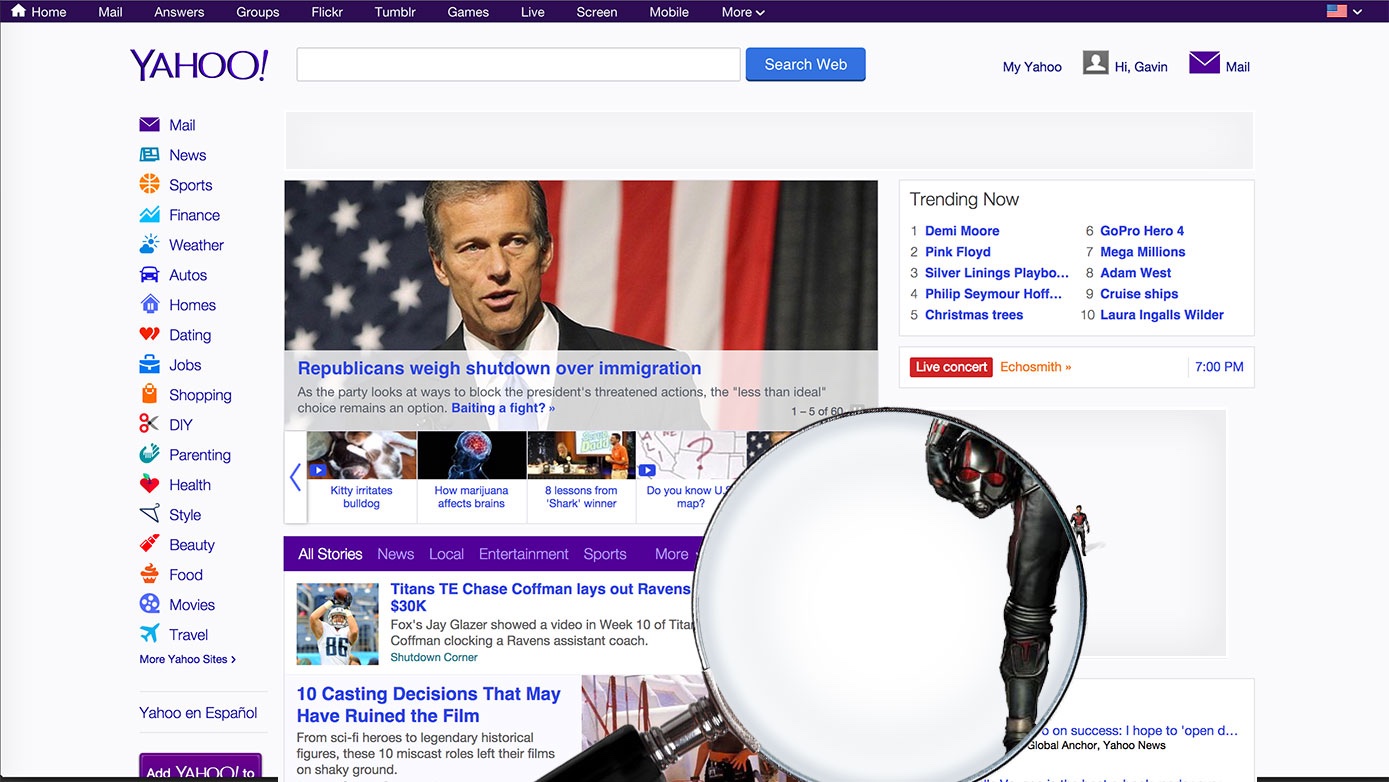
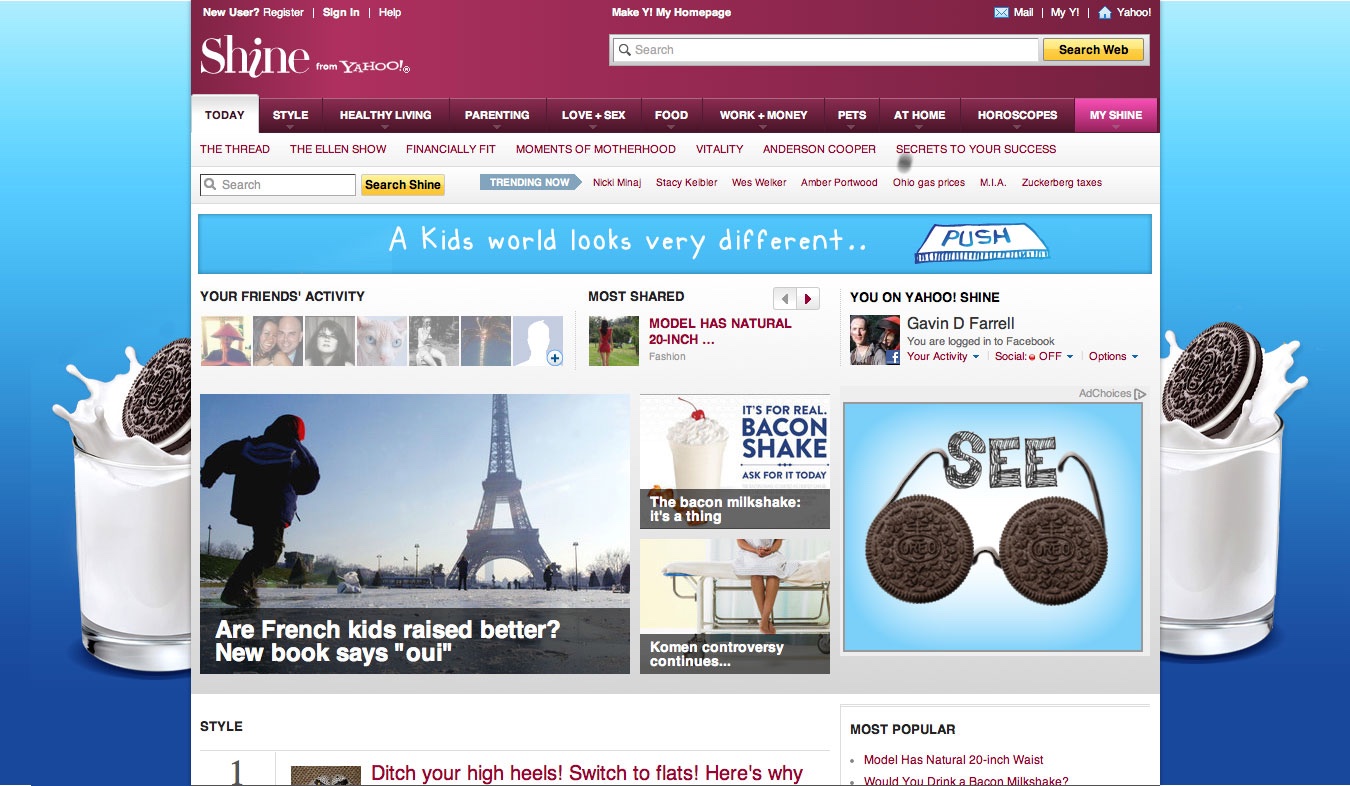
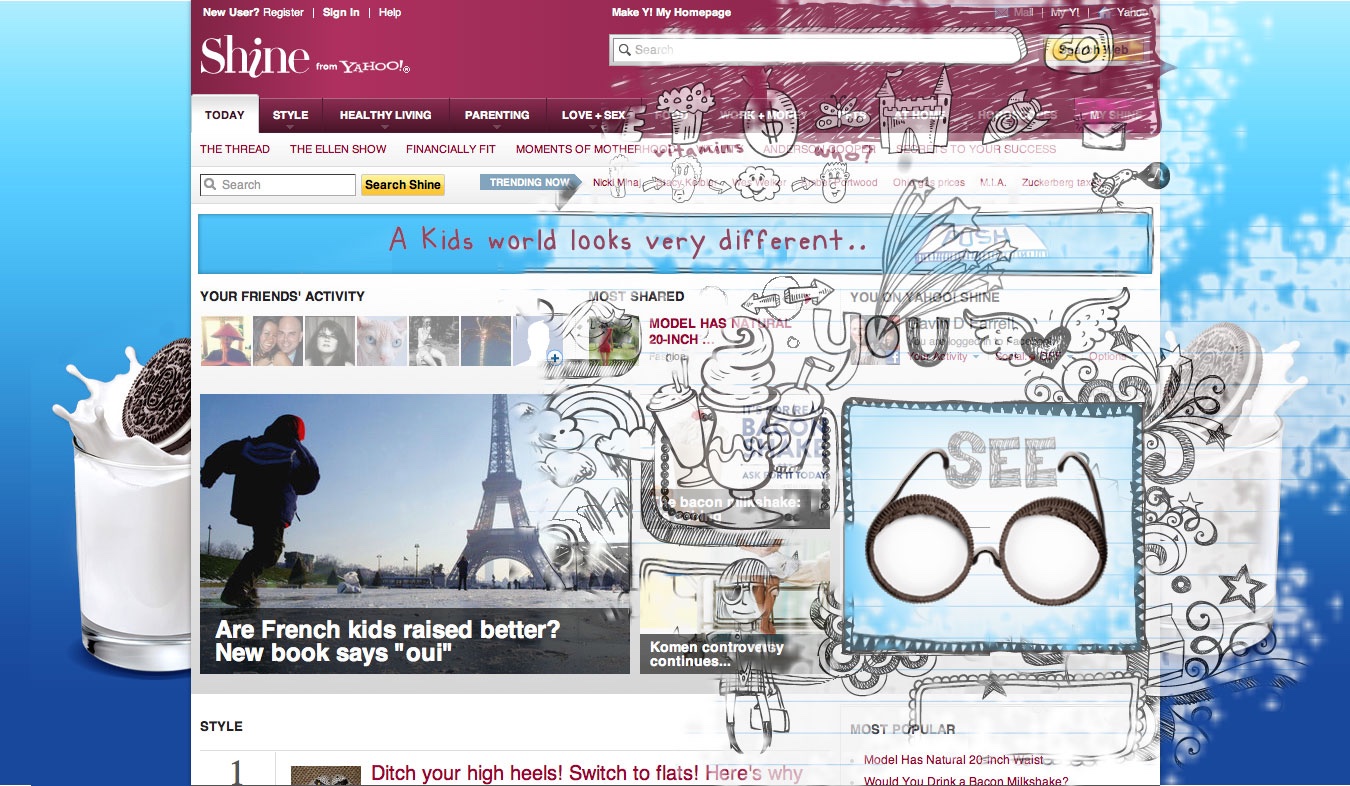
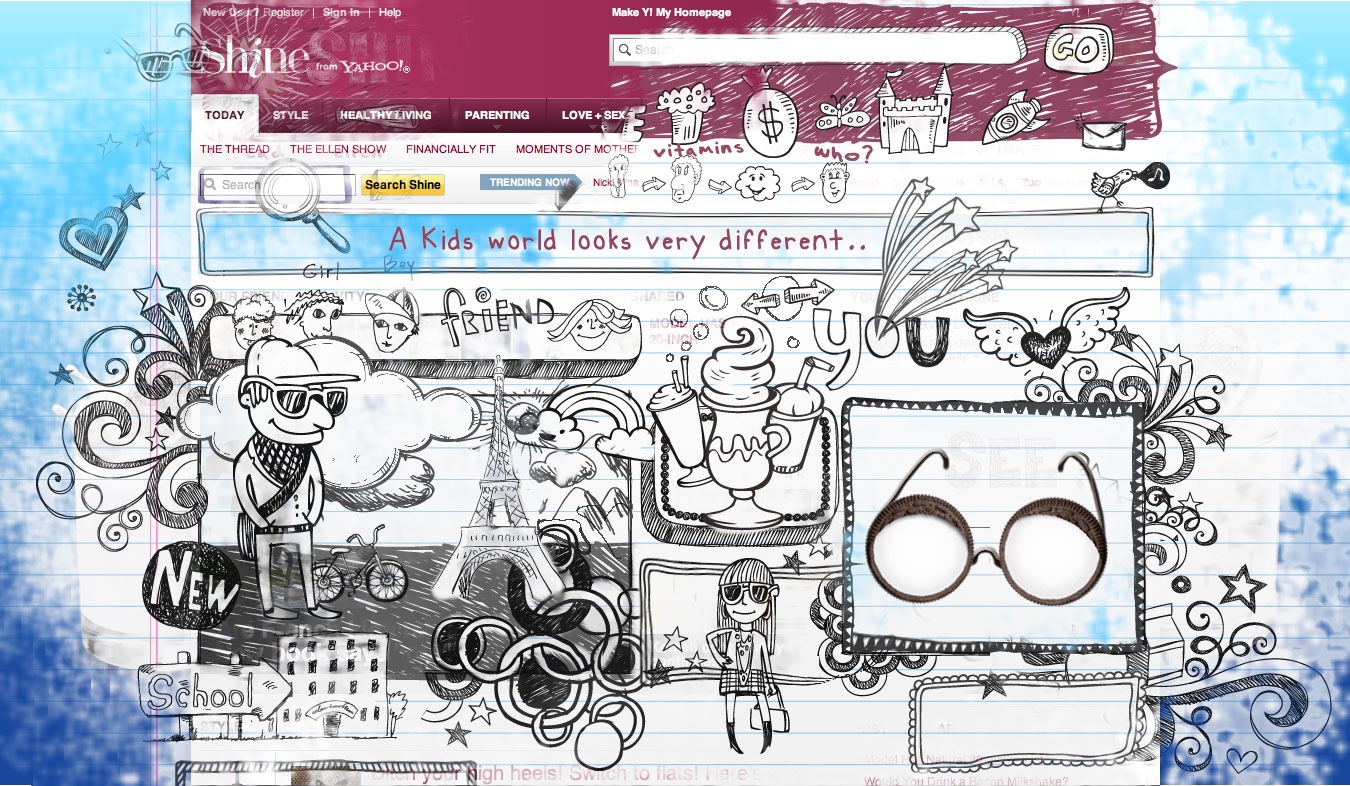
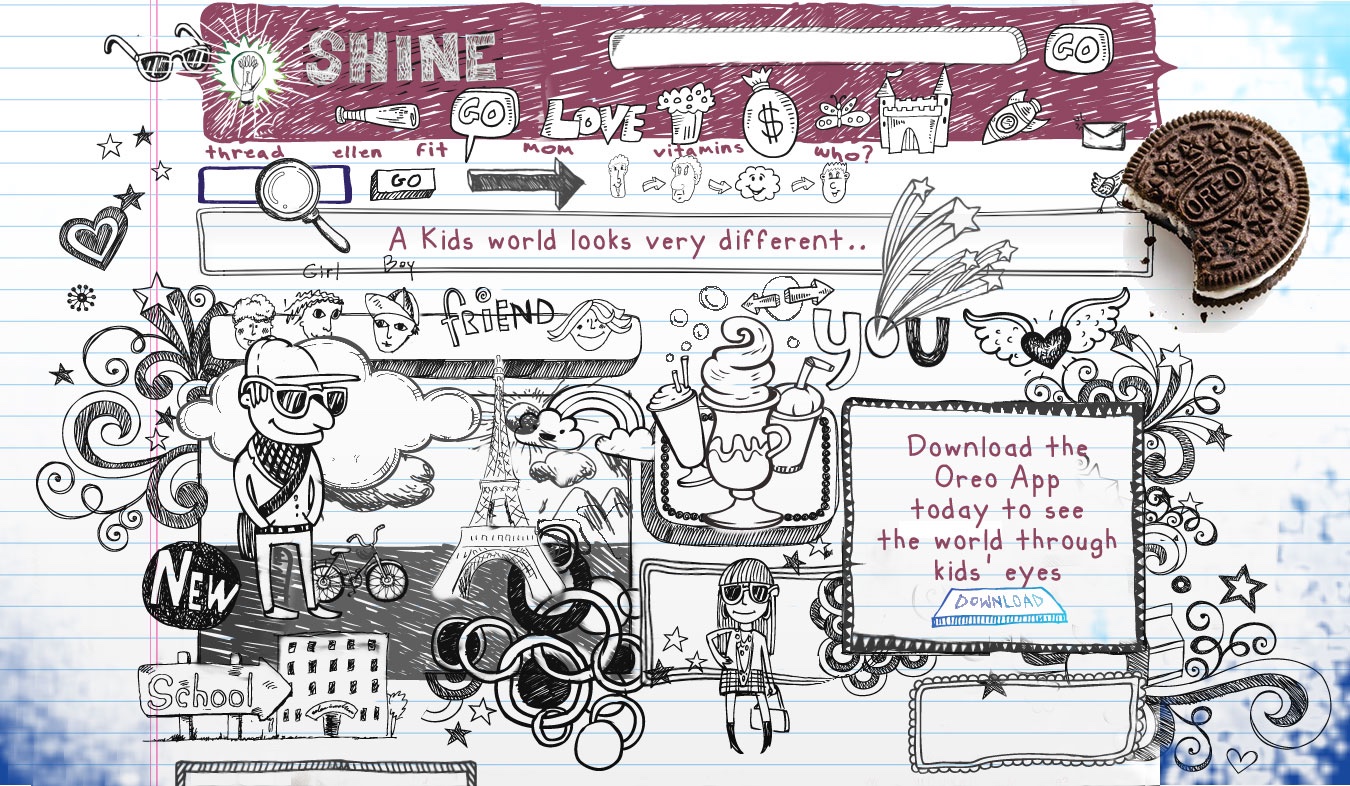
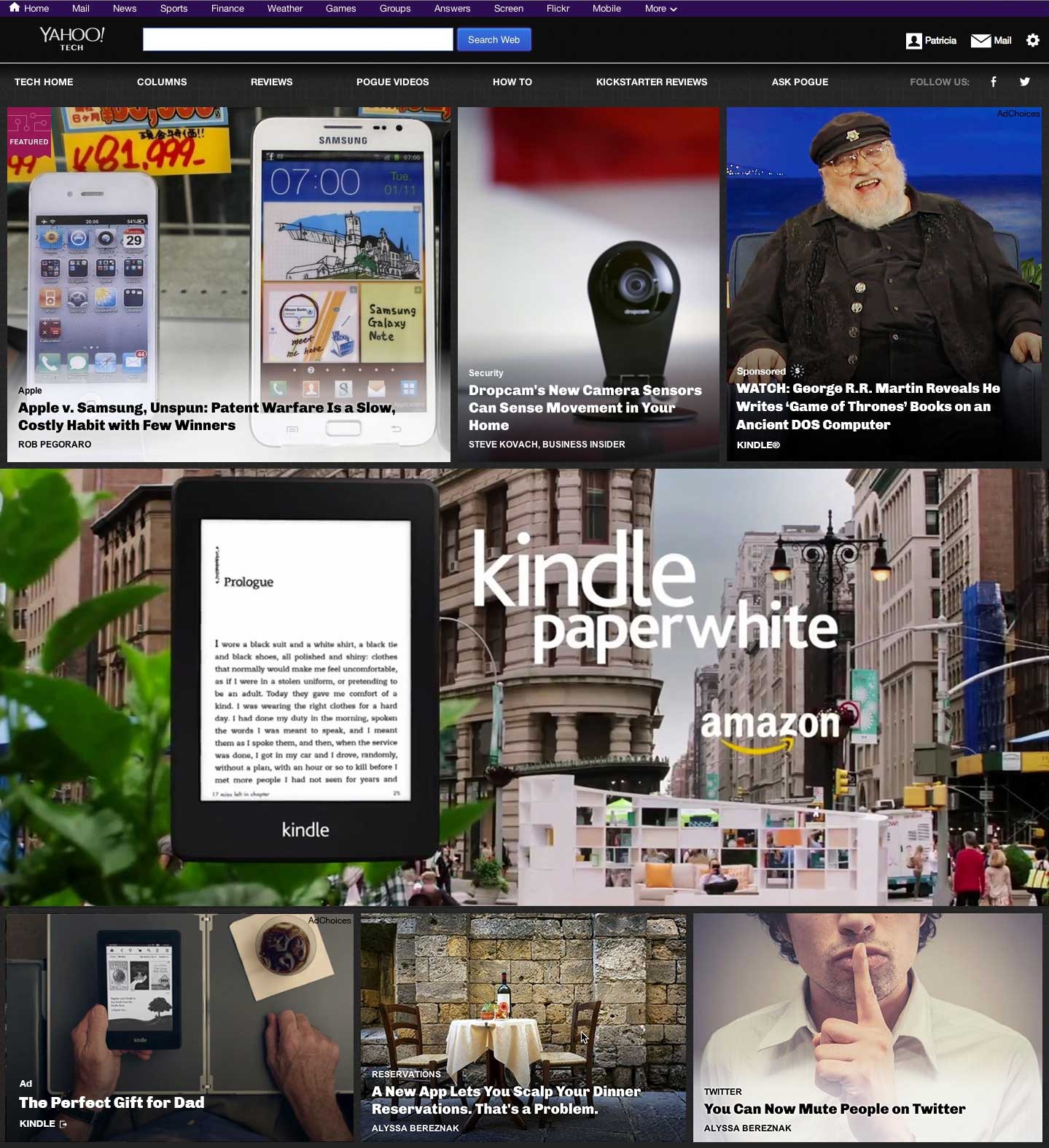
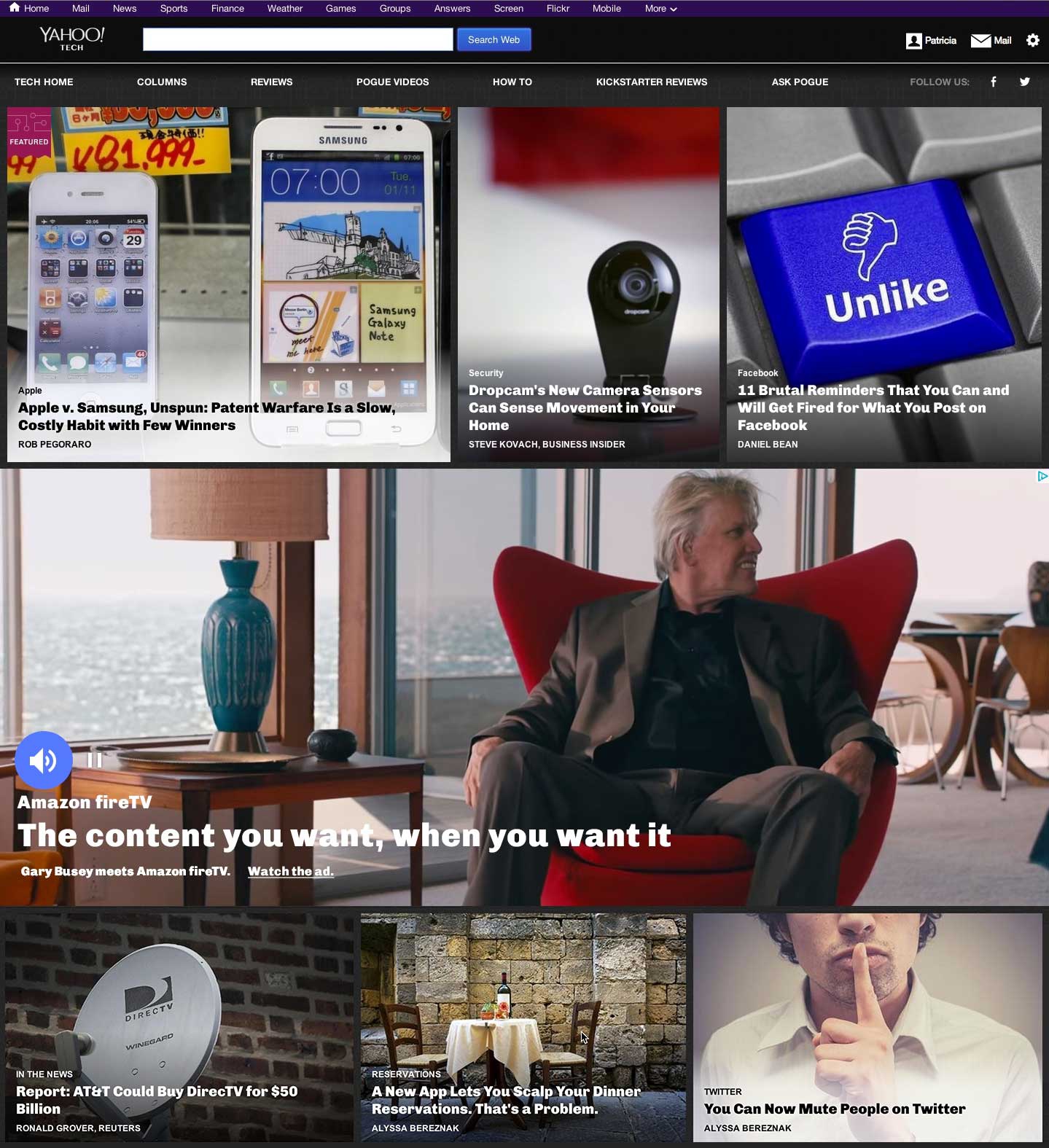
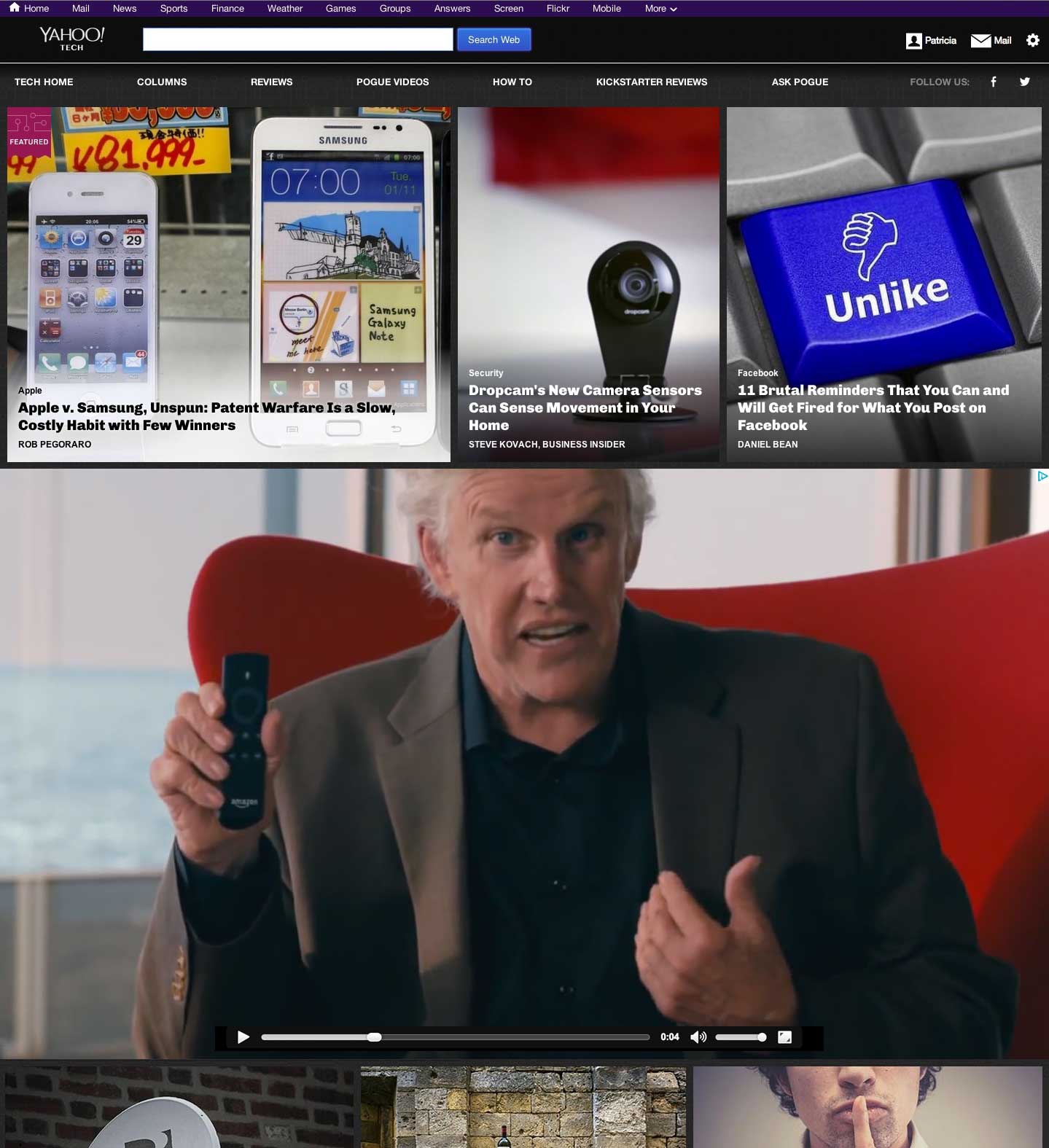
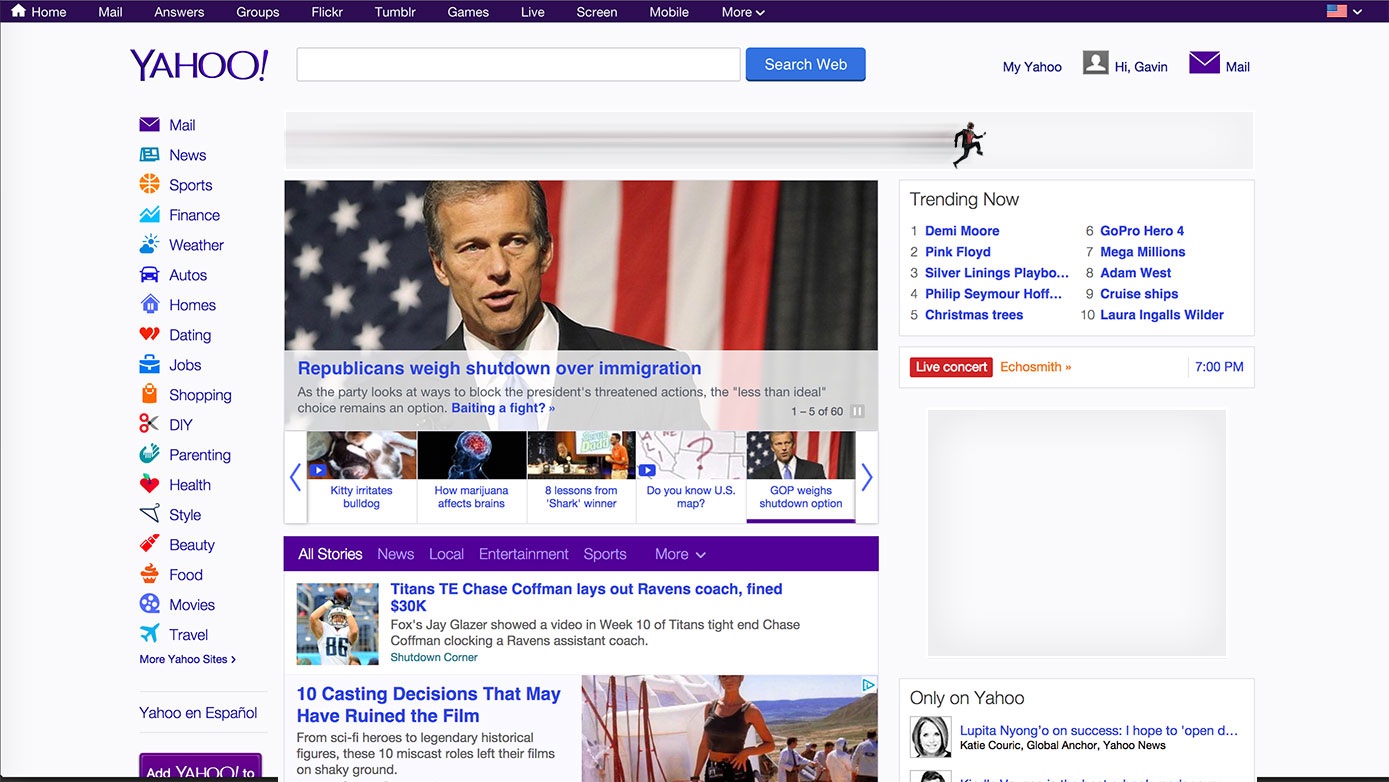
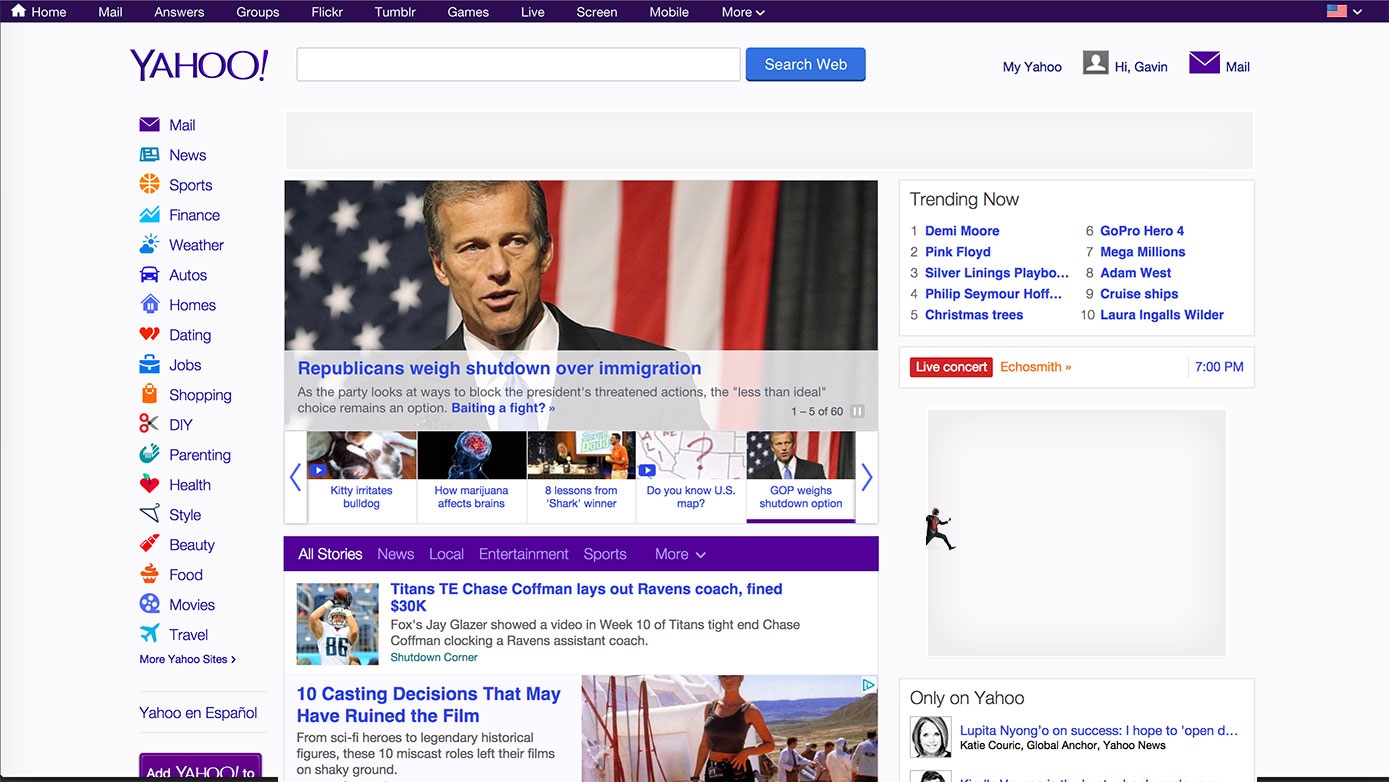
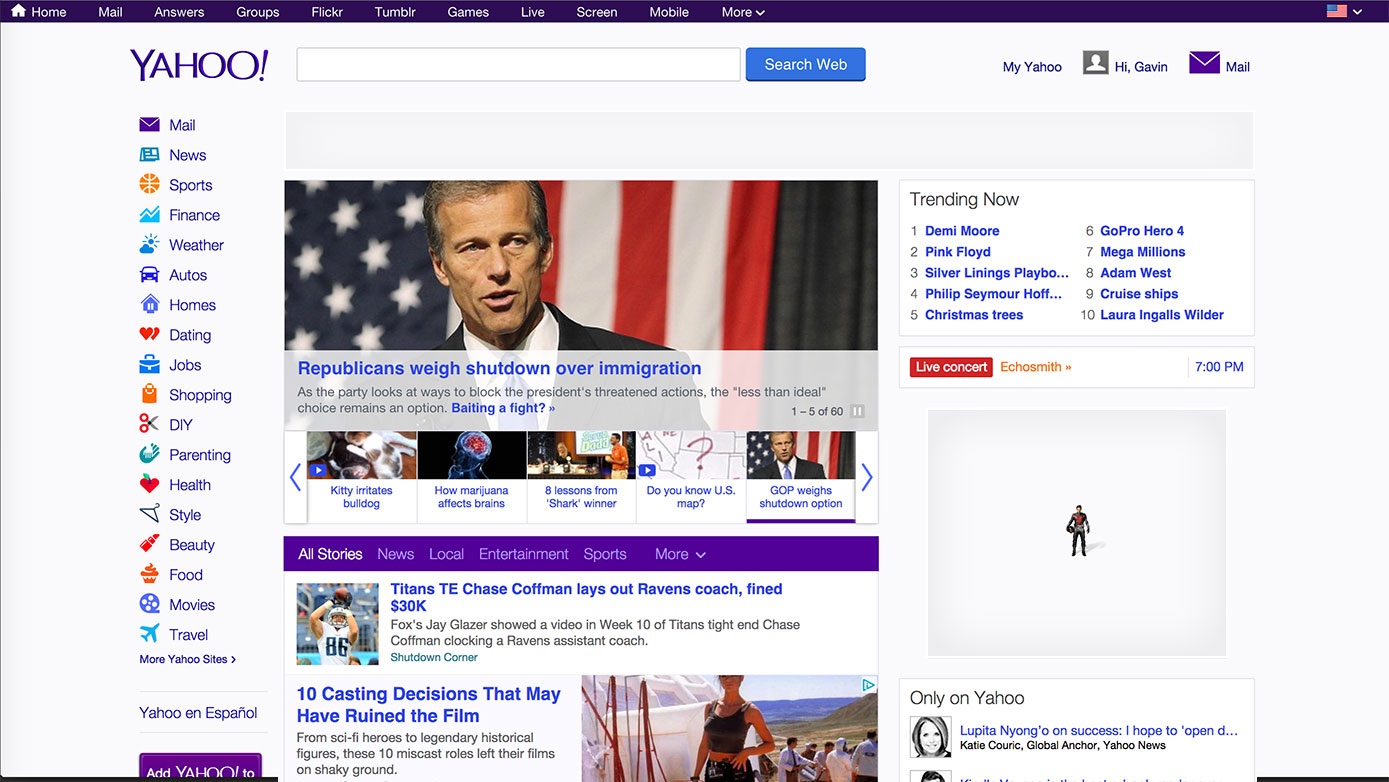
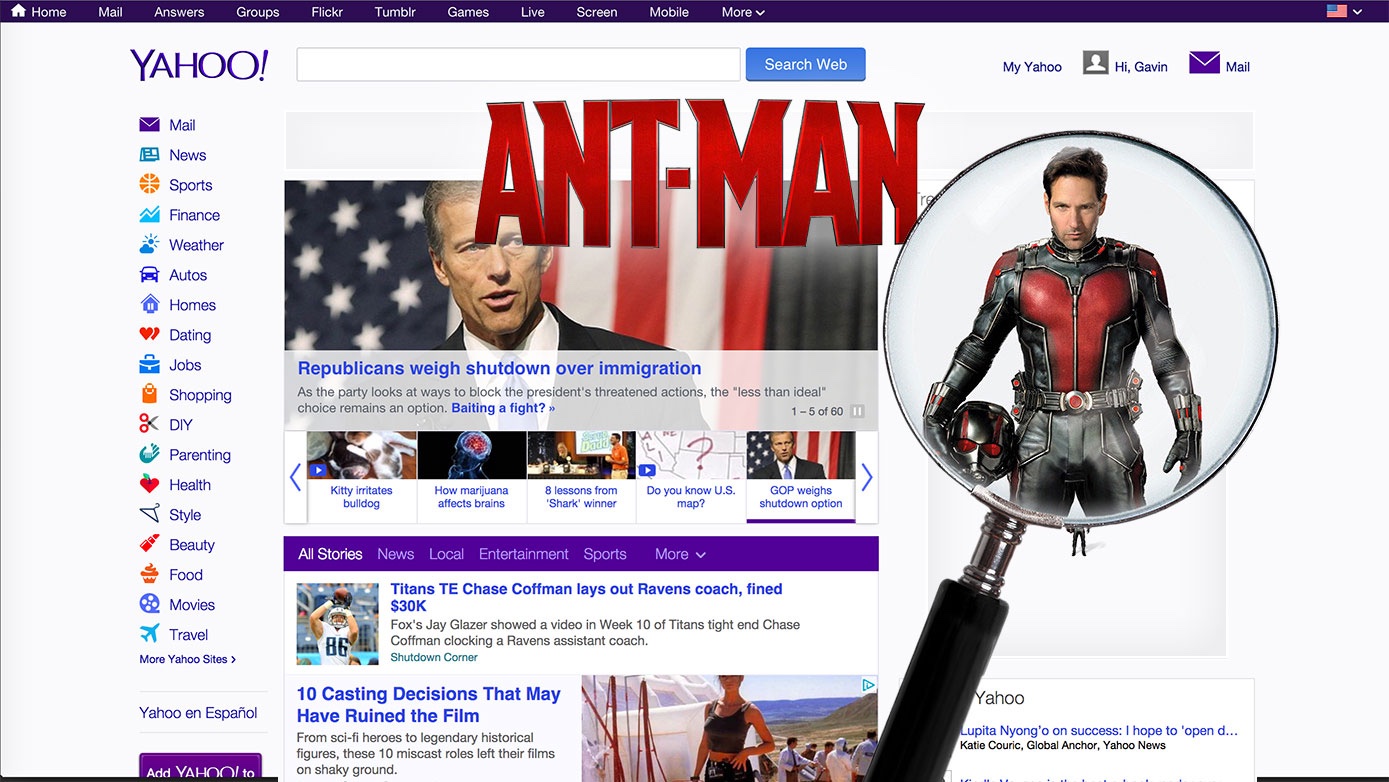
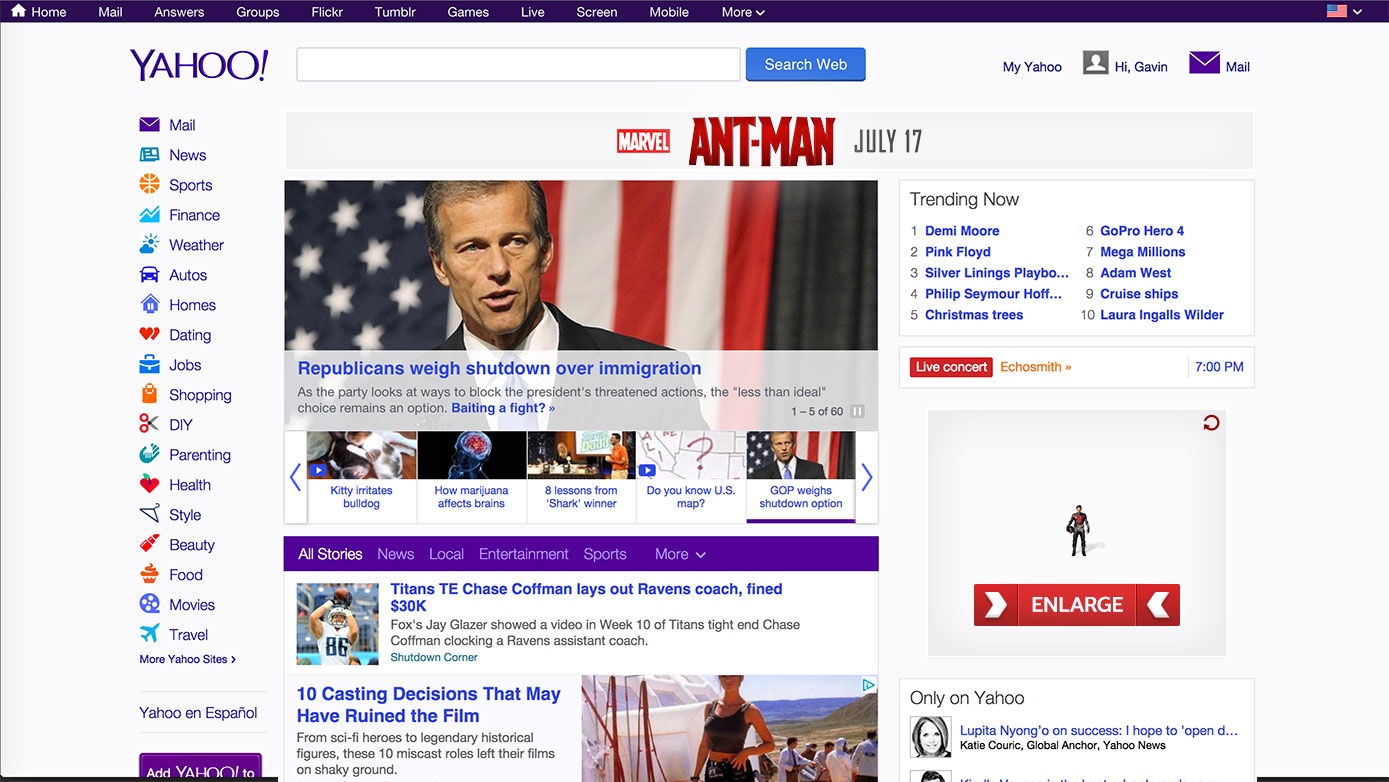
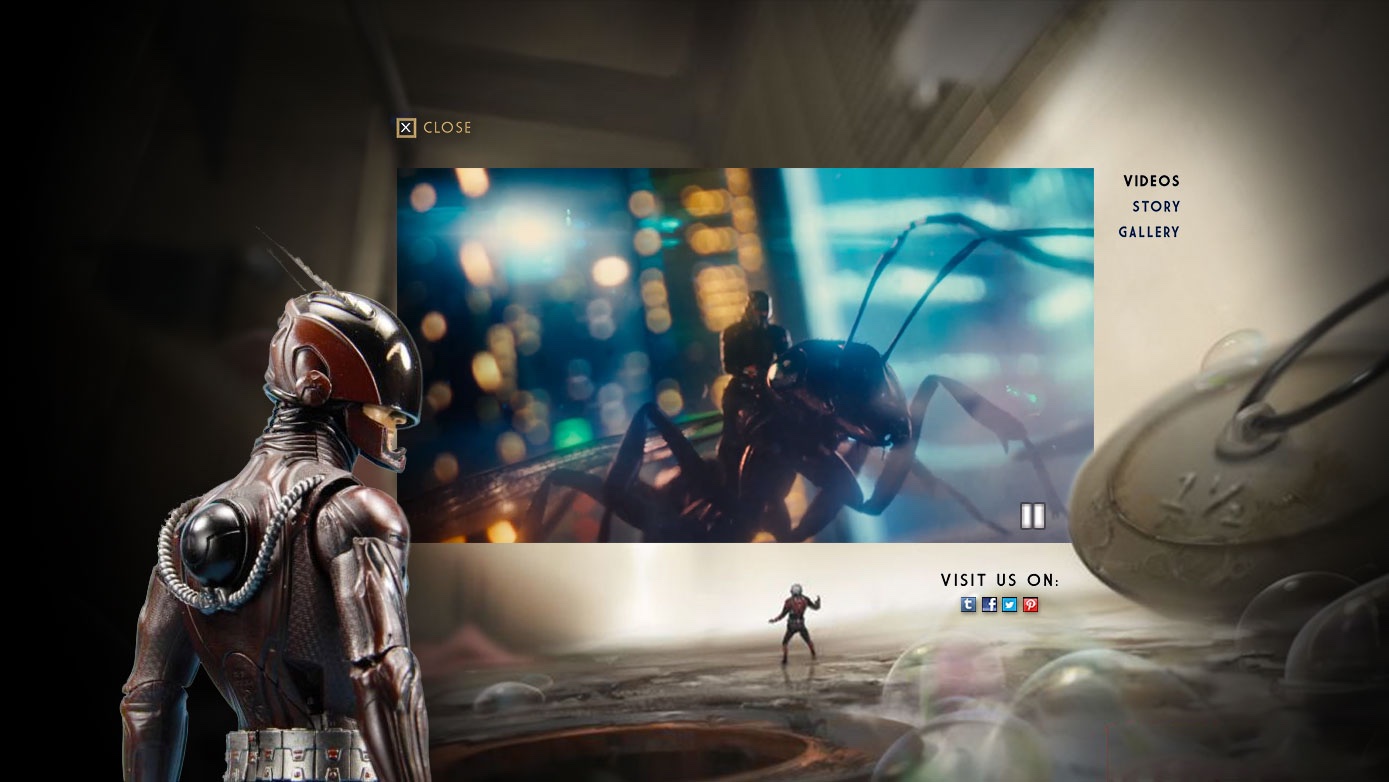
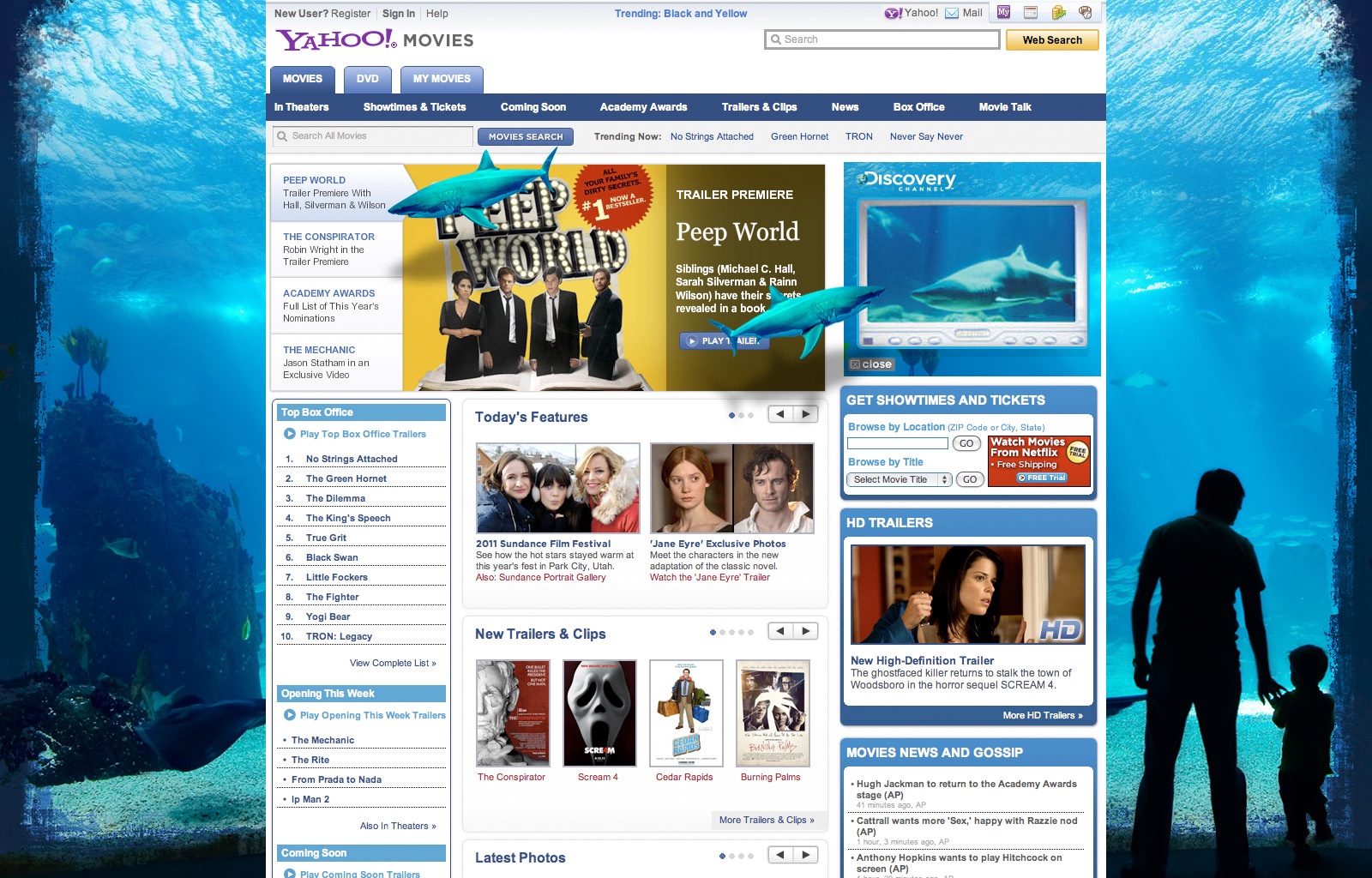
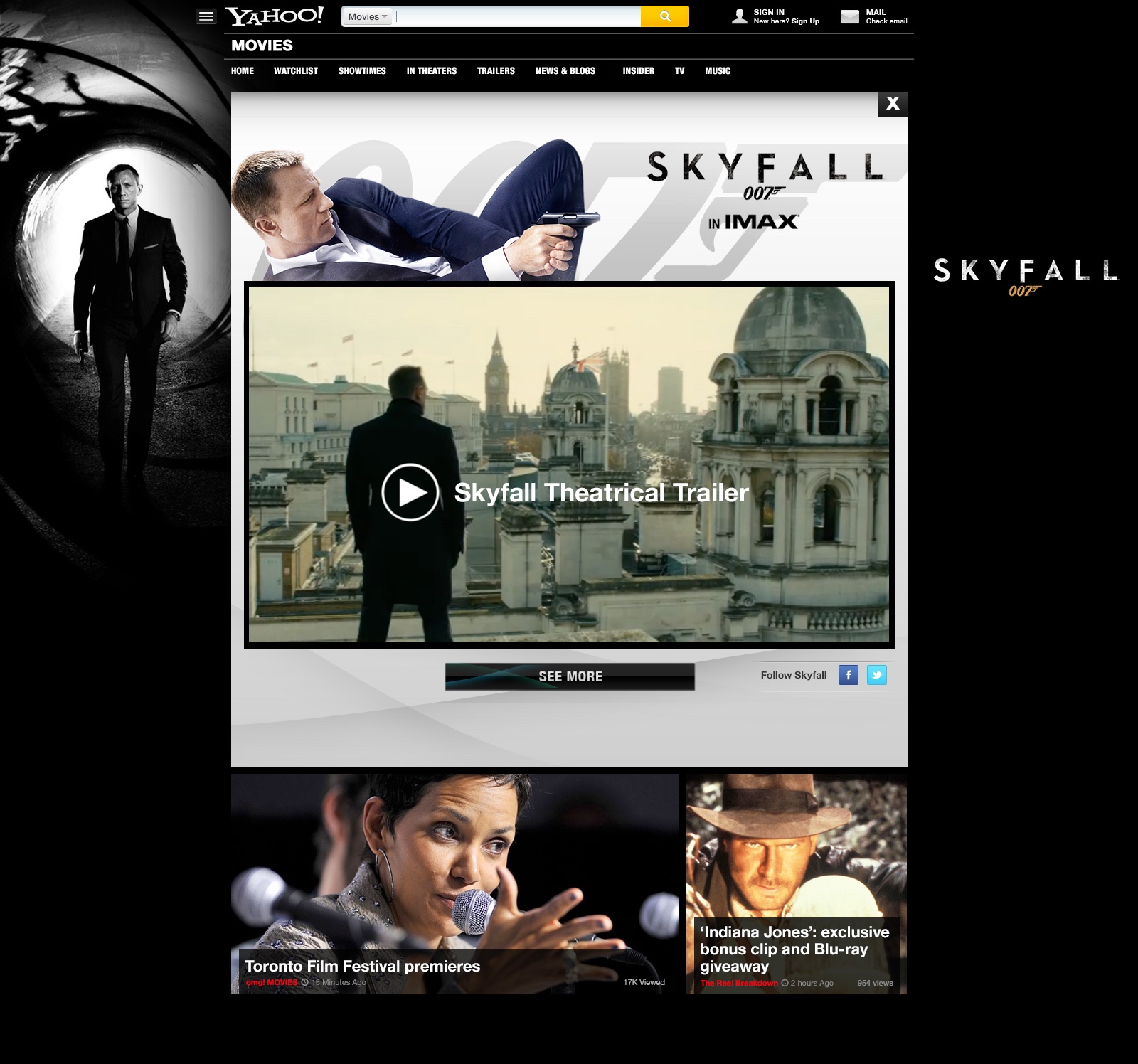
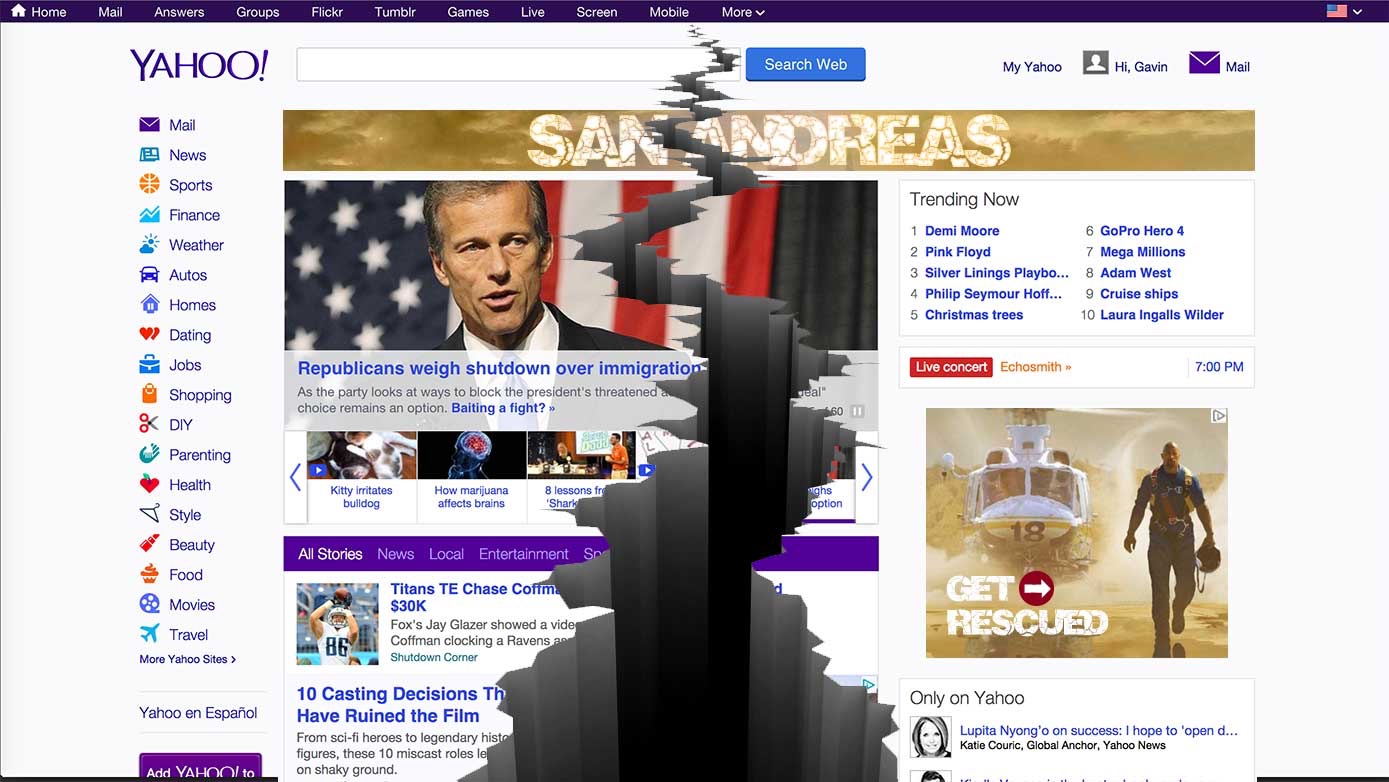
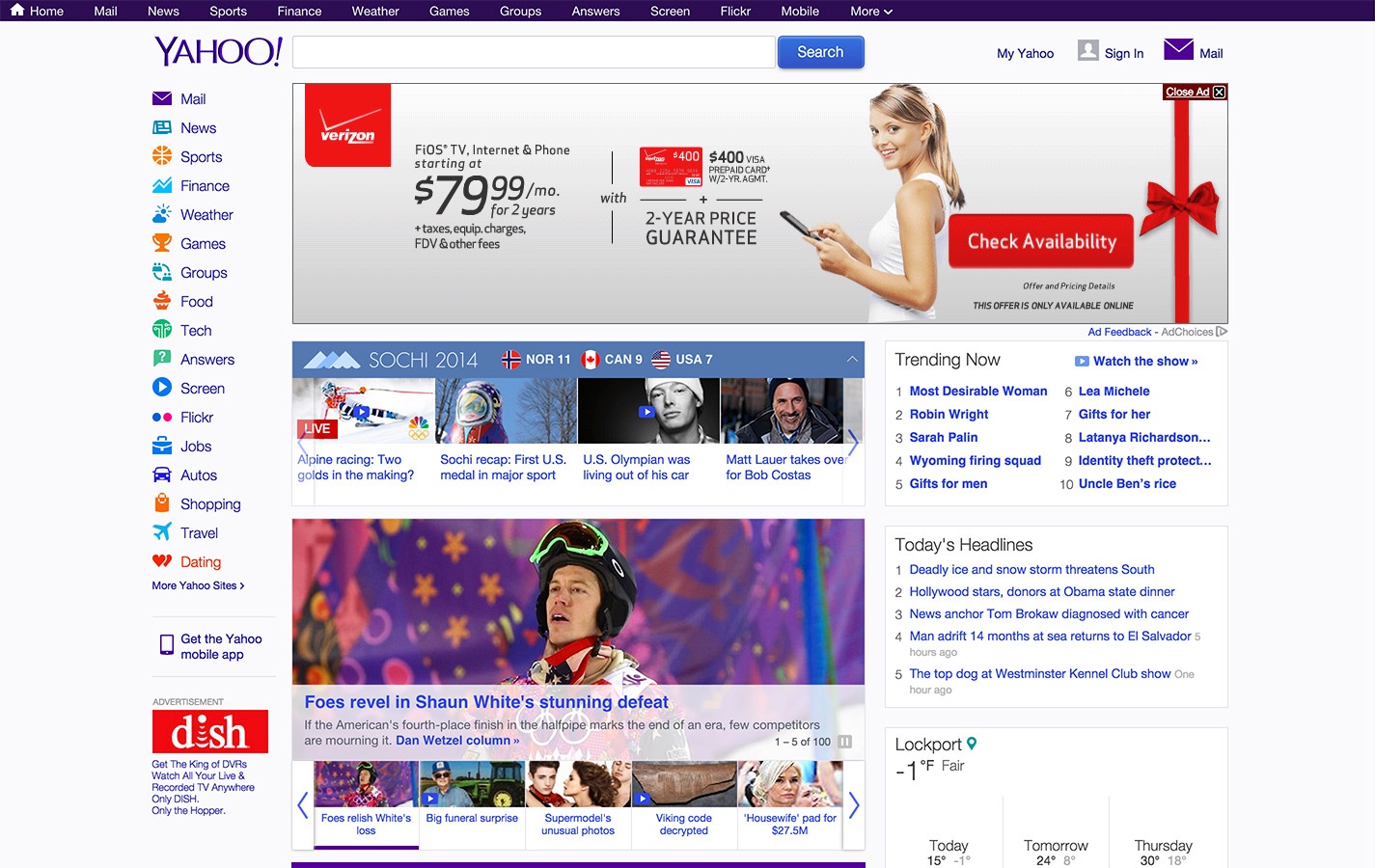
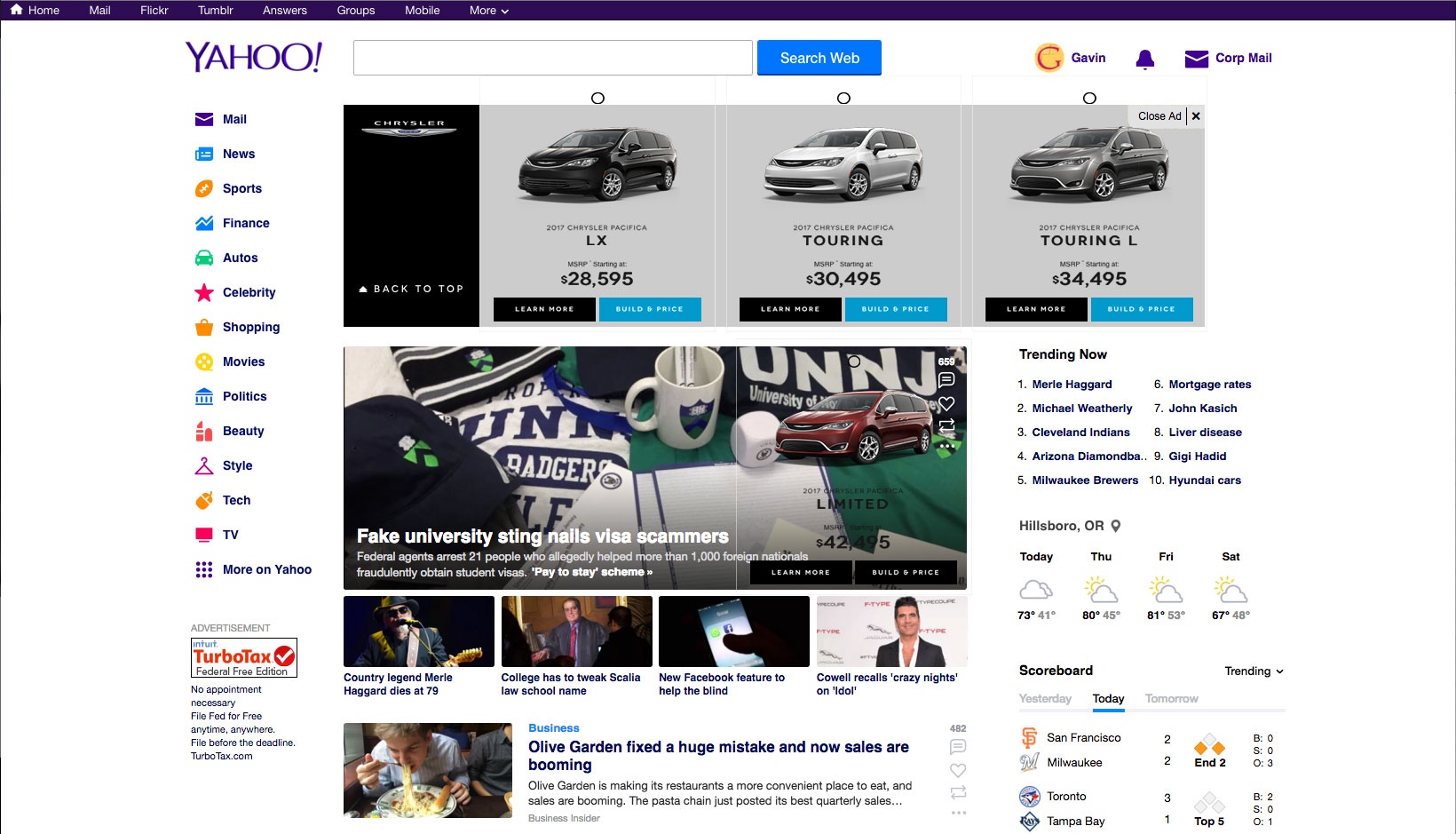
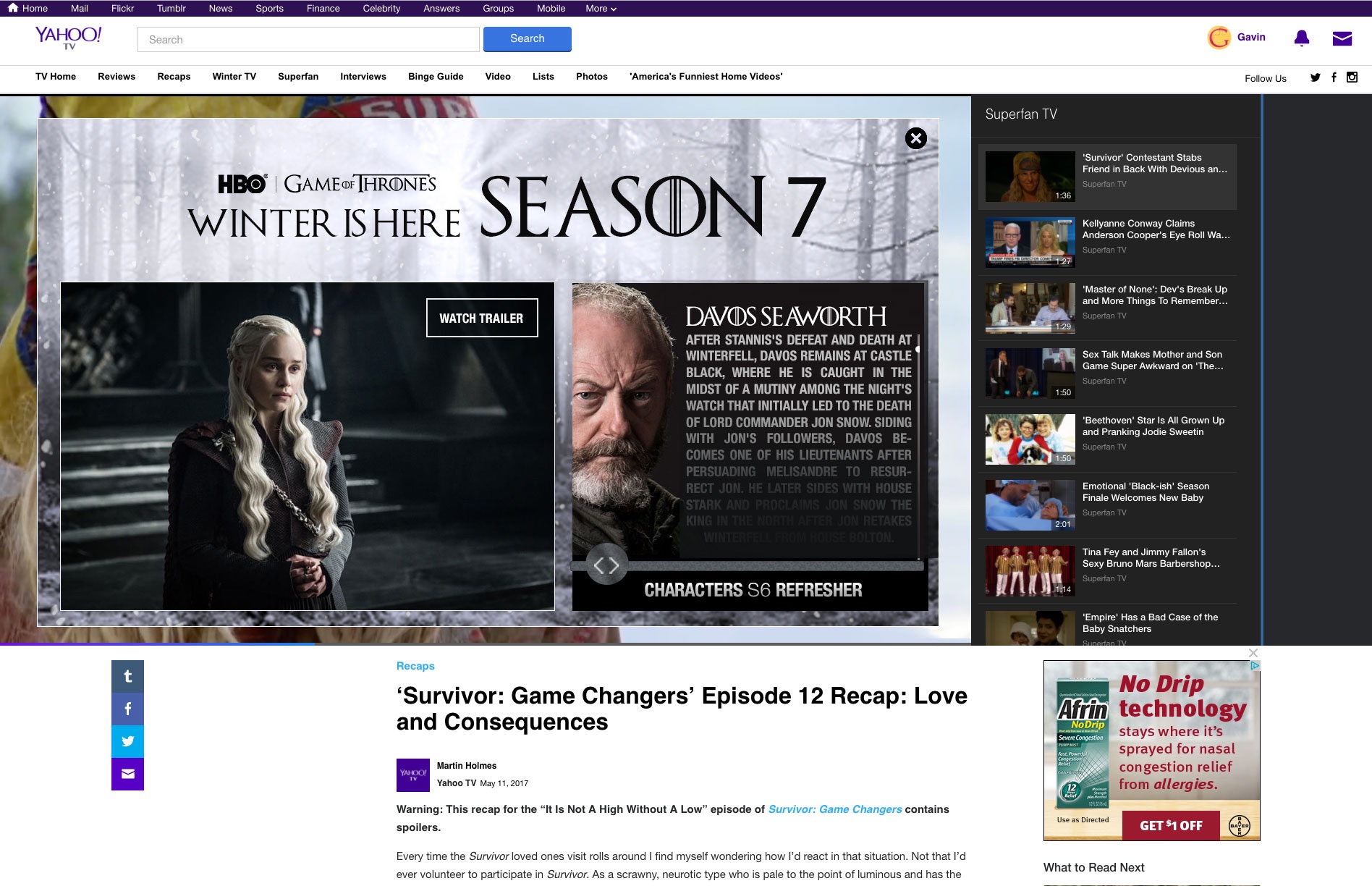
The whole page as one canvas. A takeover hands a single advertiser the Yahoo homepage — background, masthead, the modules themselves — and a floater breaks an object out of the ad and lets it move across the page. Ant-Man crawls out of a magnifier over the news feed; the Oreo build turns Shine into an illustrated world. The constraint is that the page still has to work as a page.
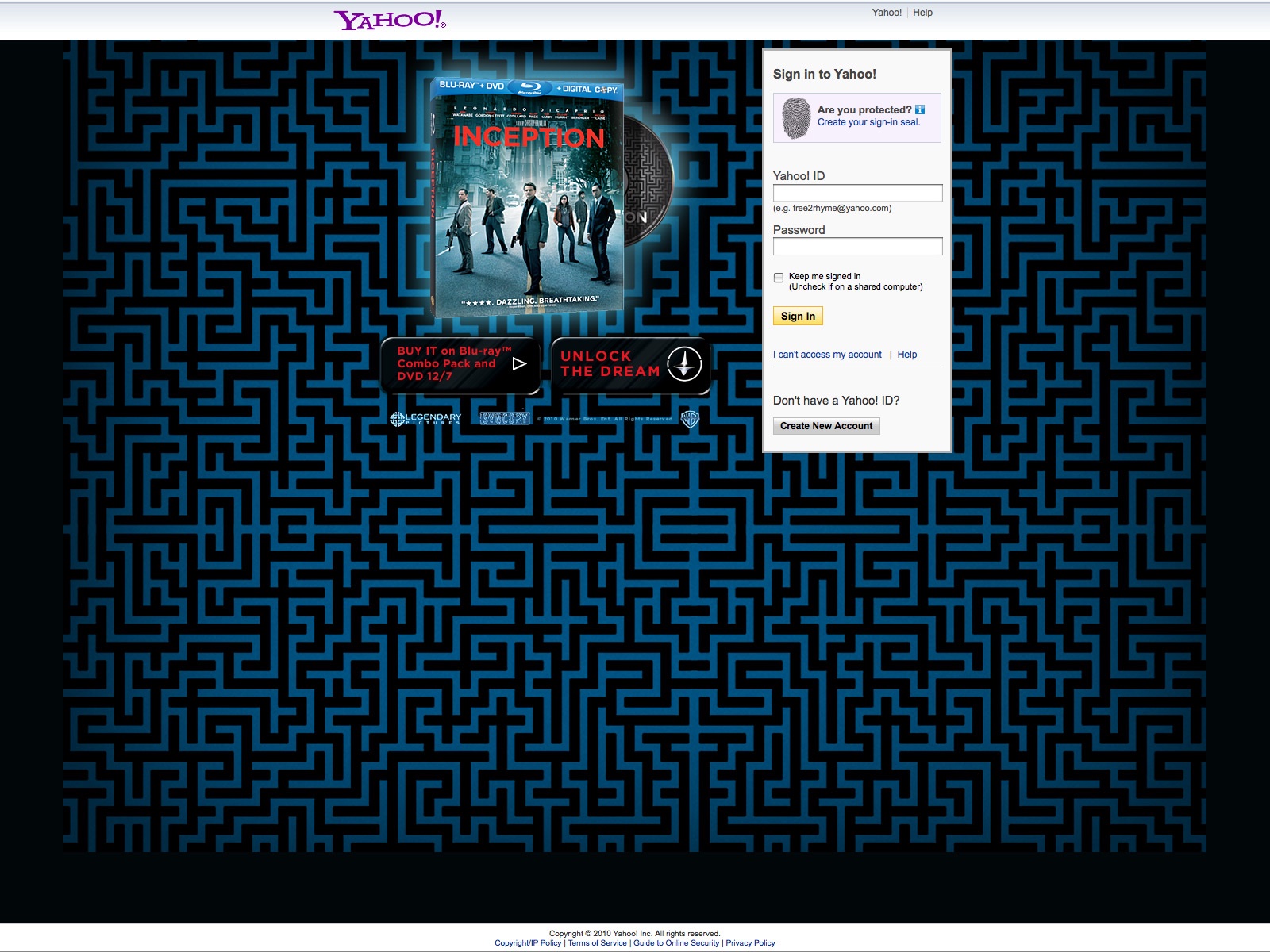
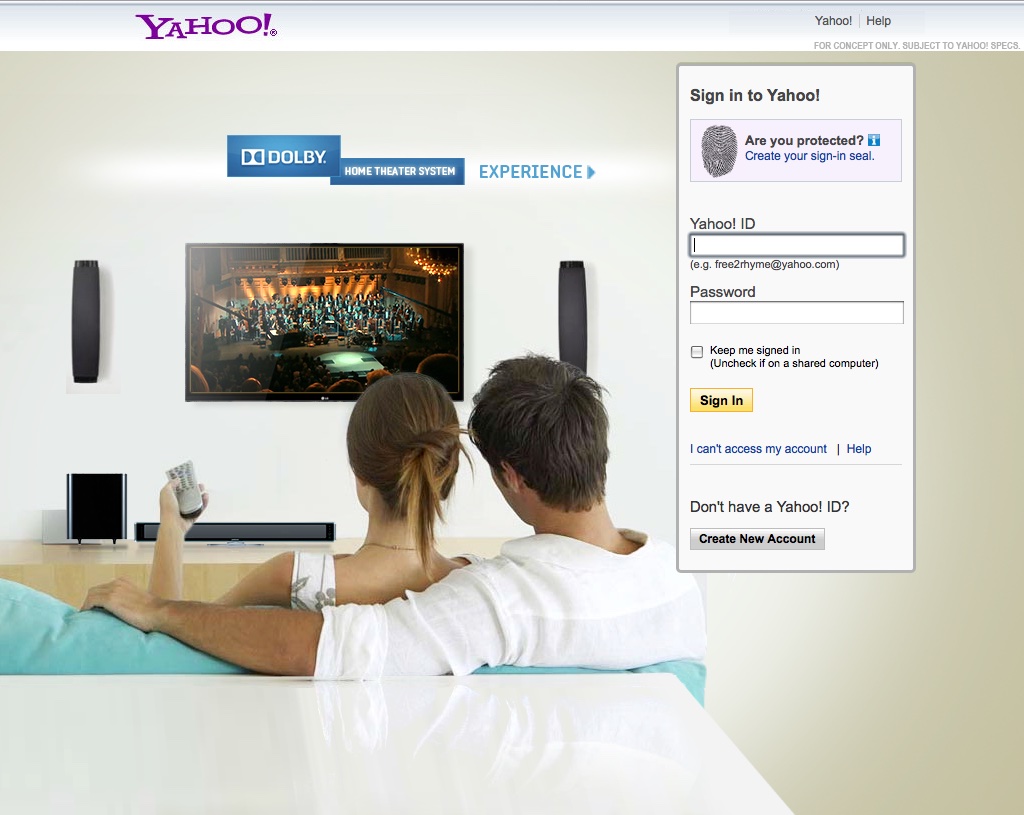
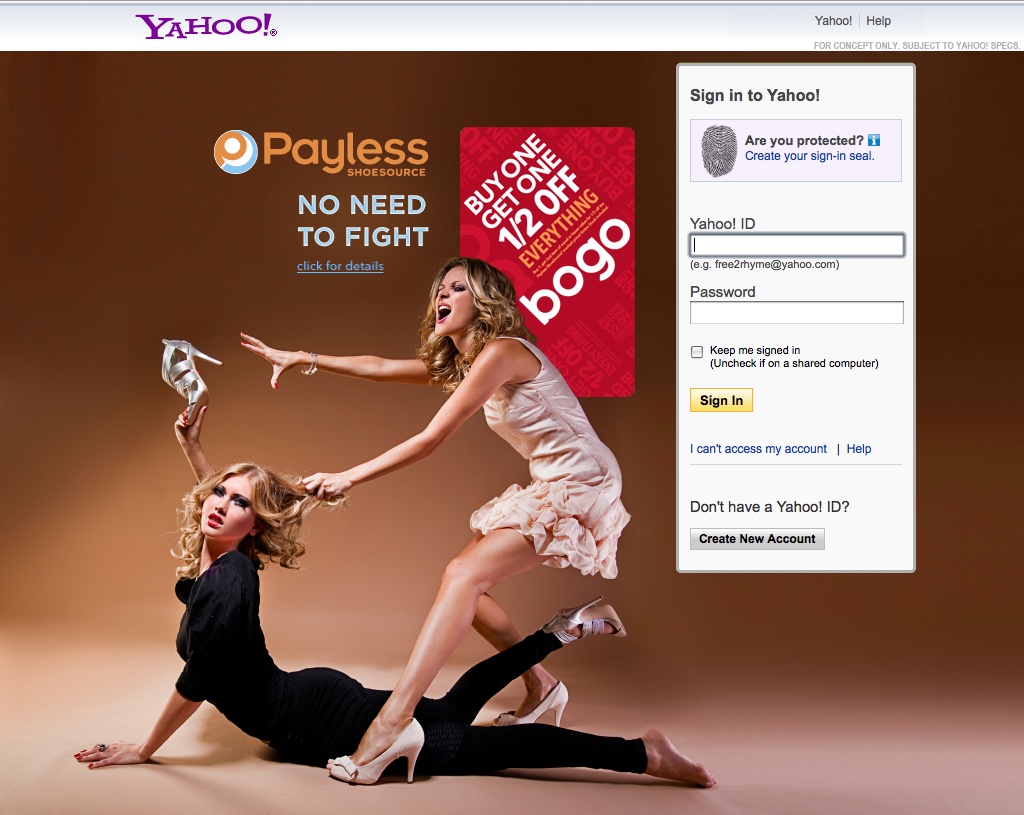
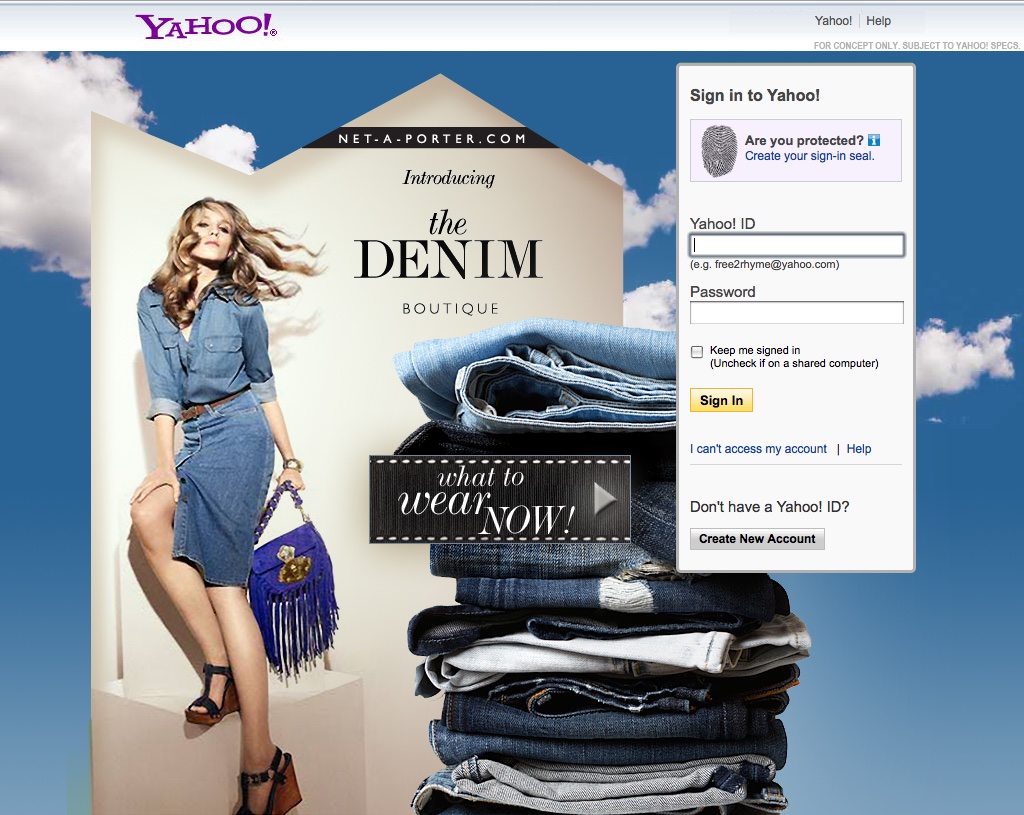
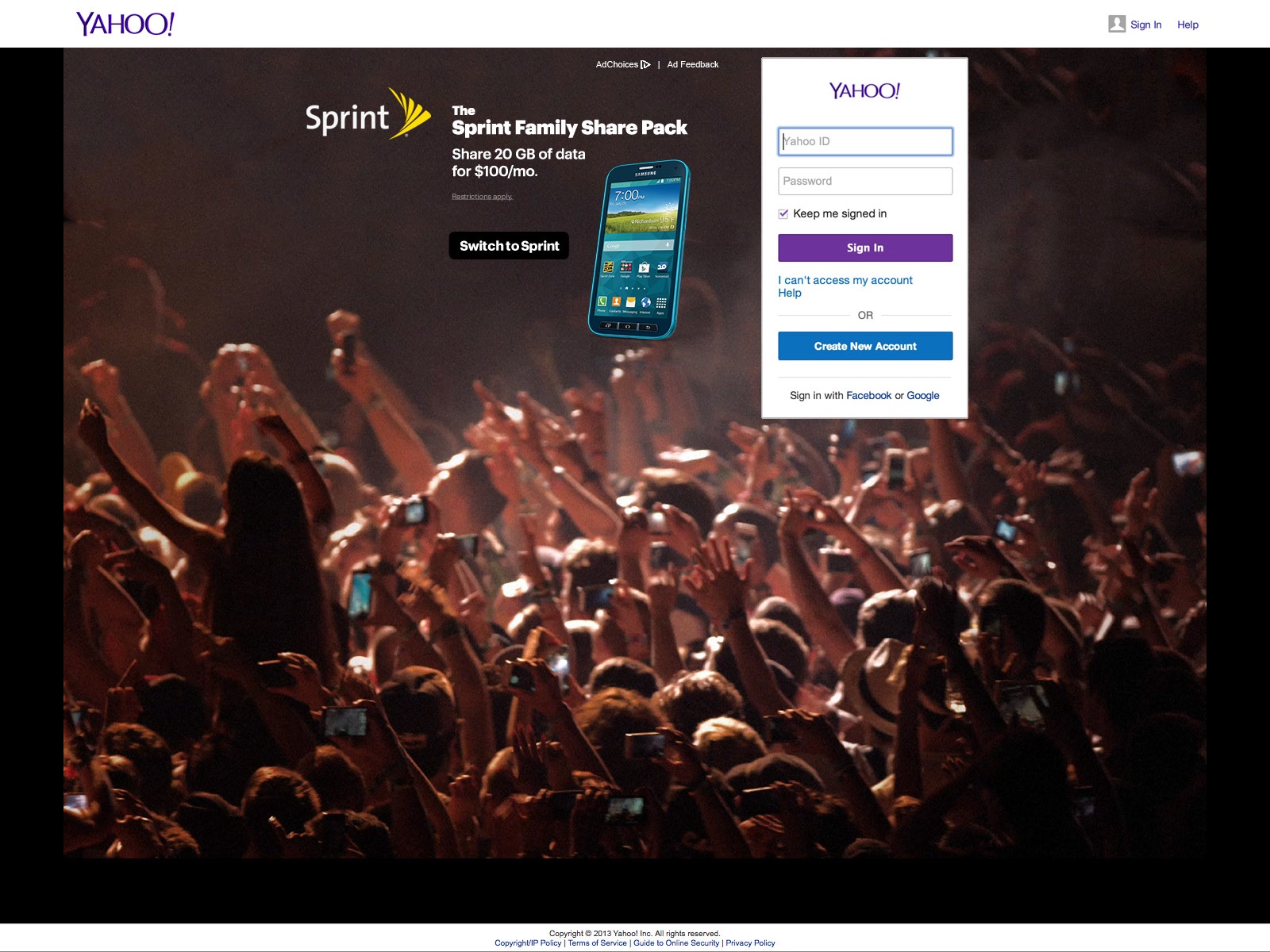
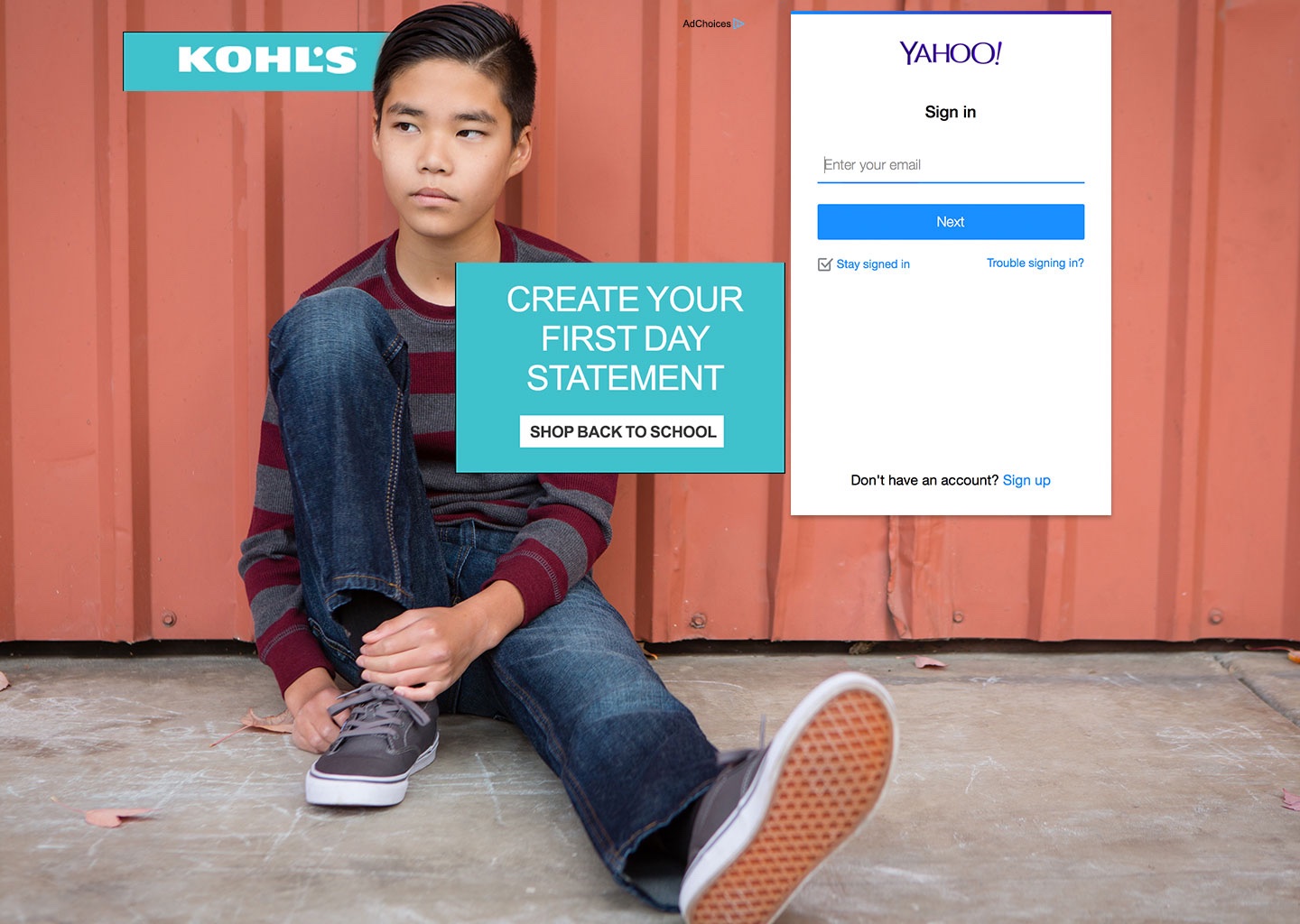
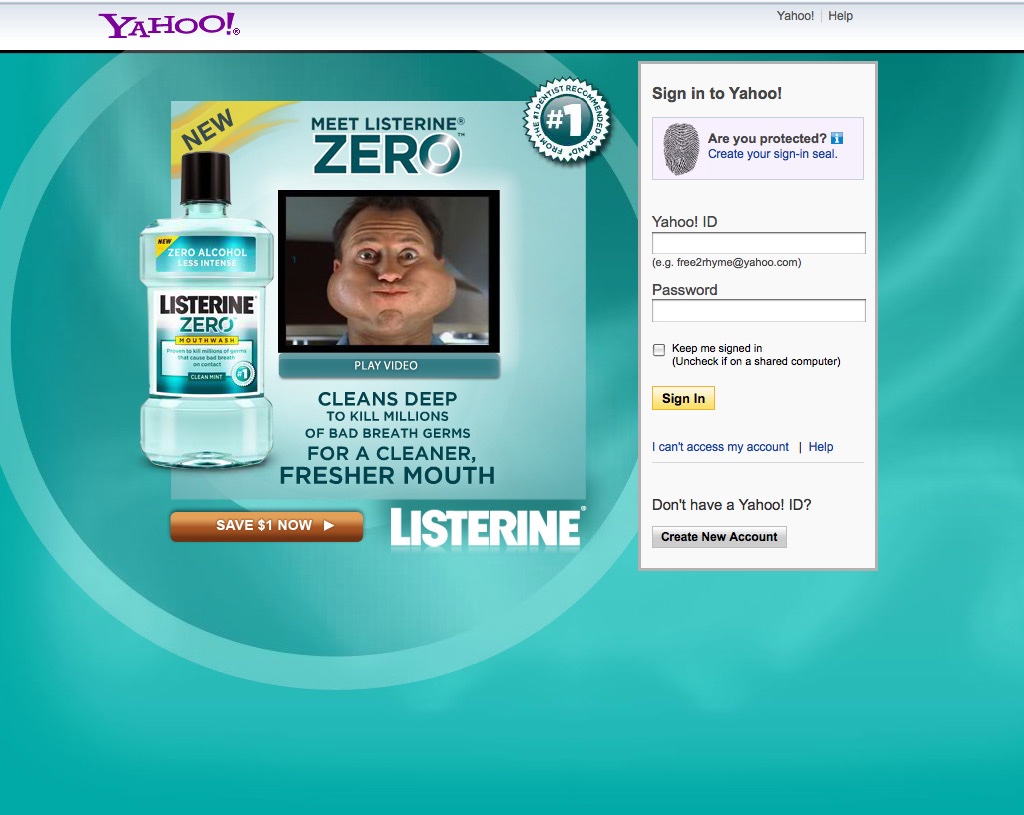
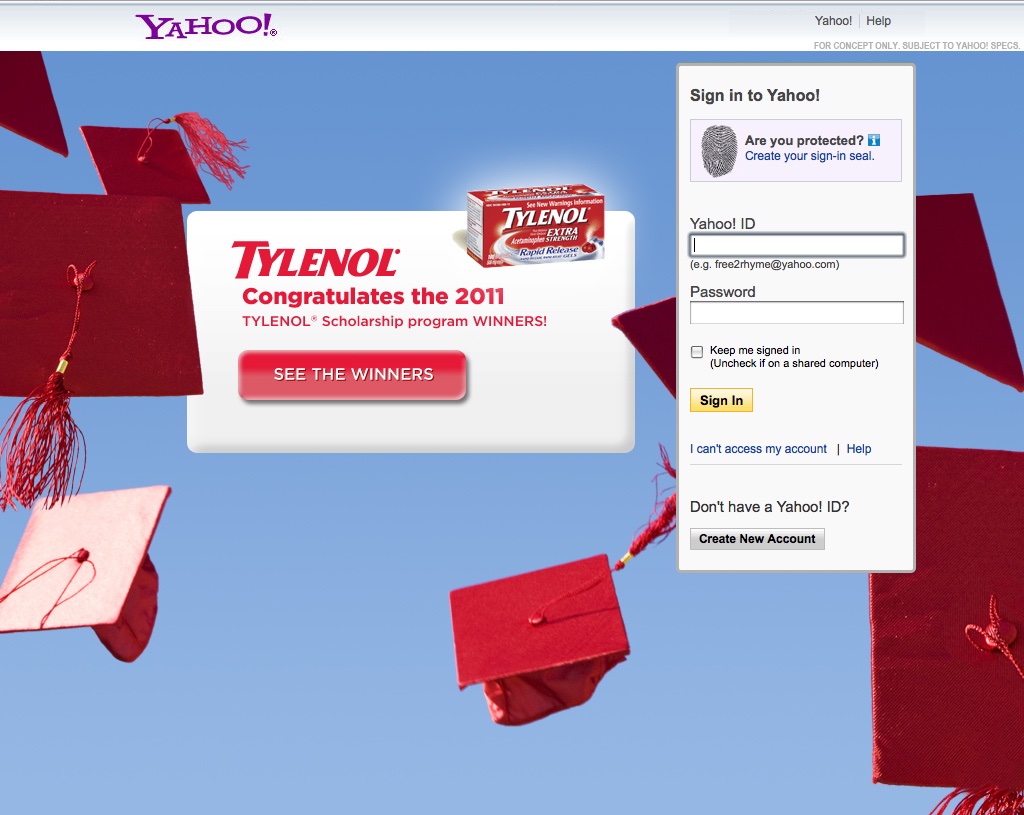
Login Page Takeovers
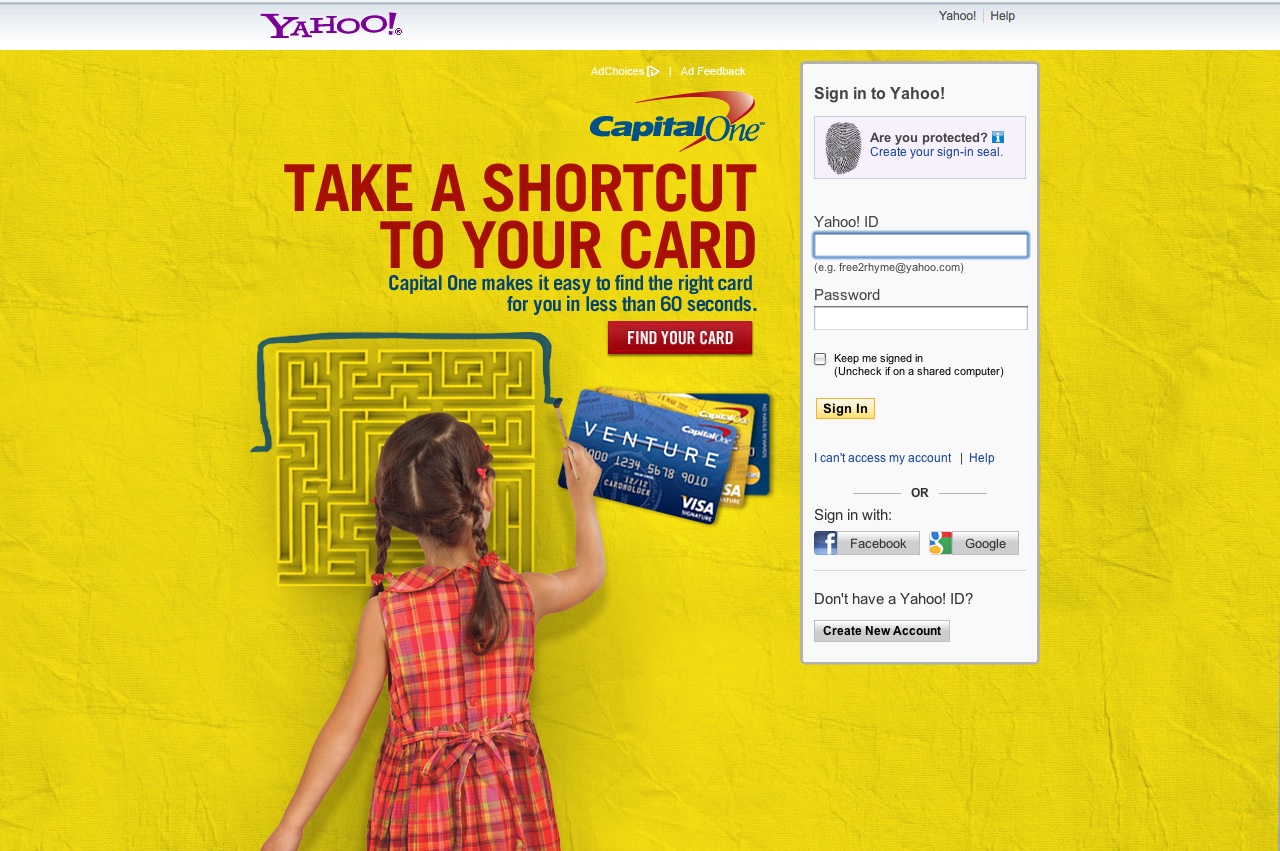
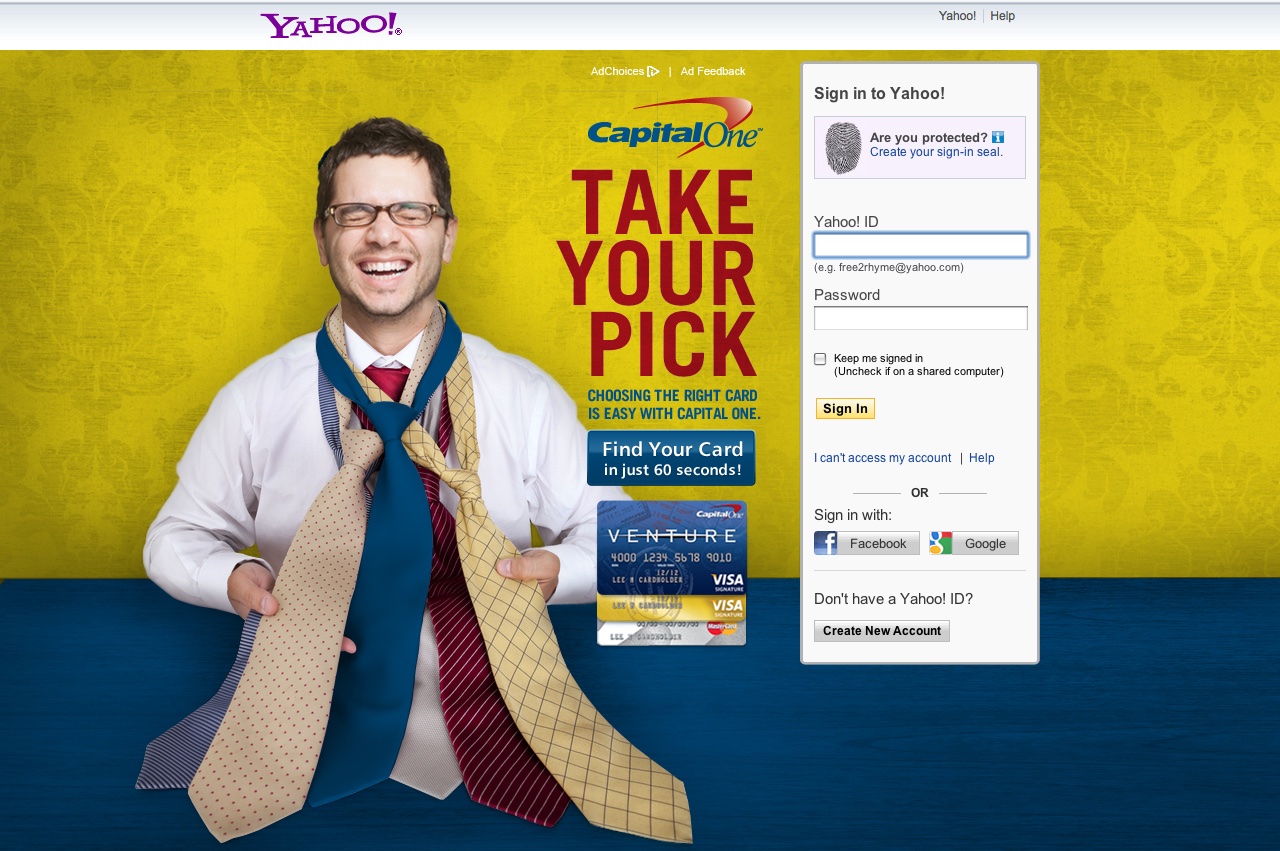
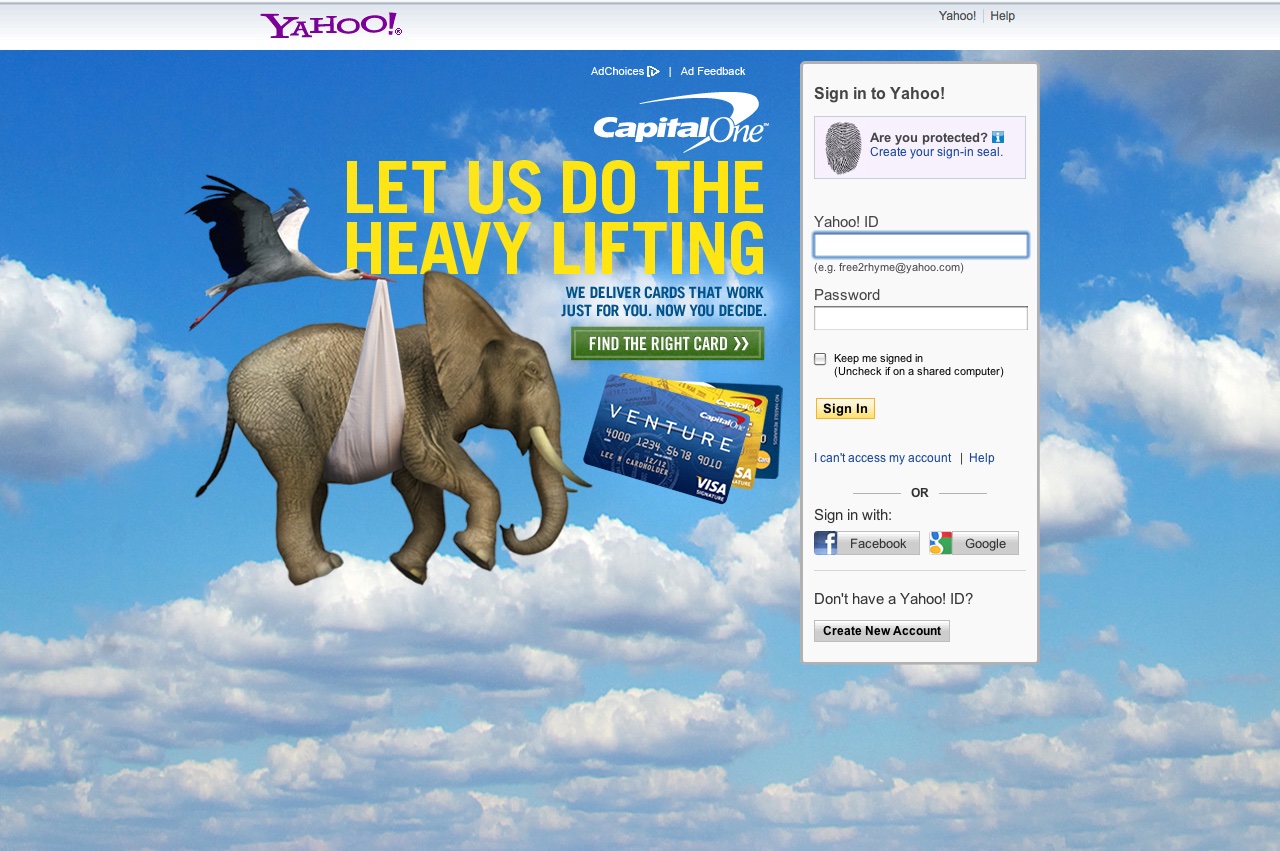
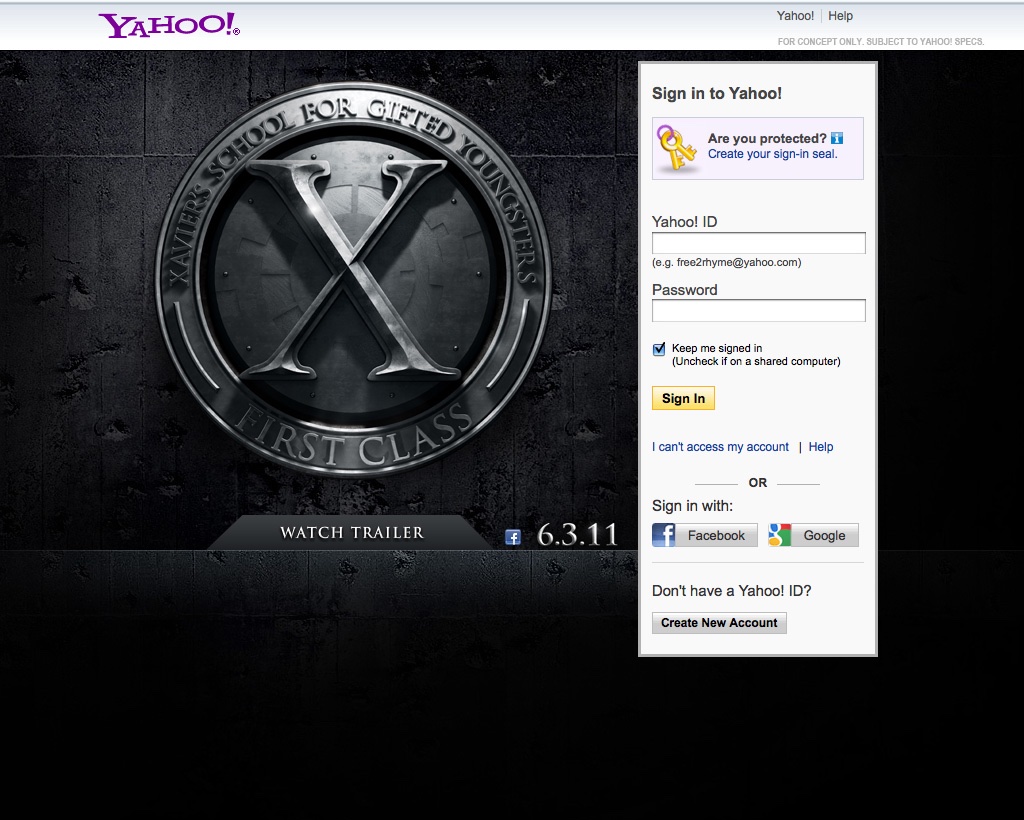
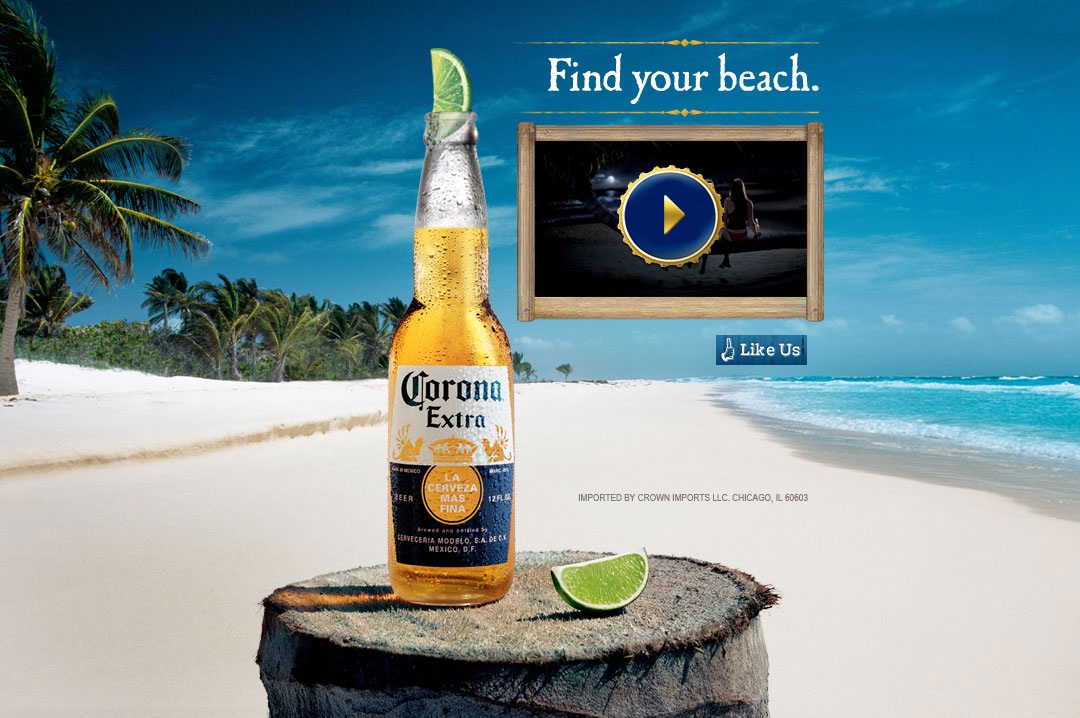
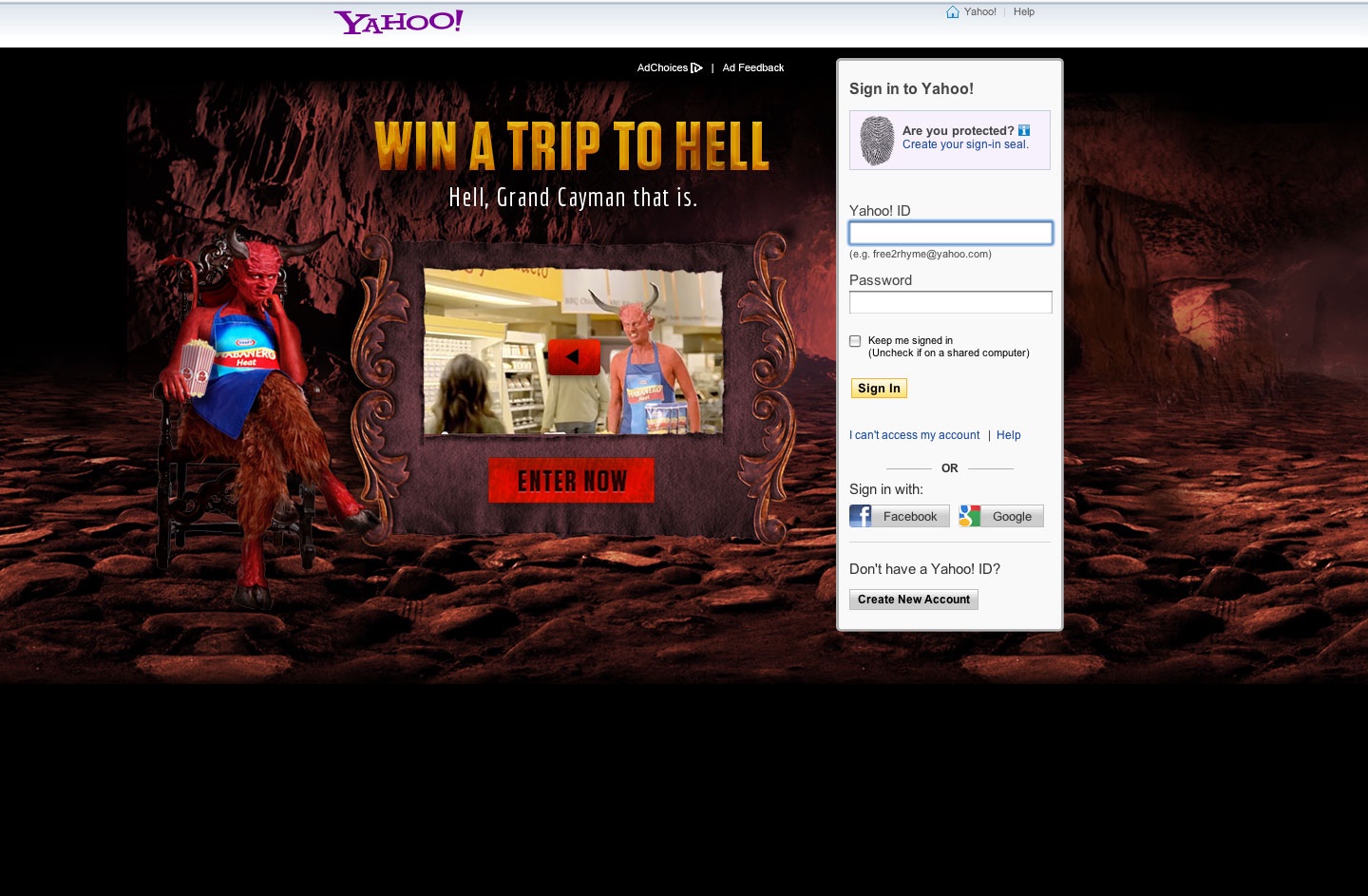
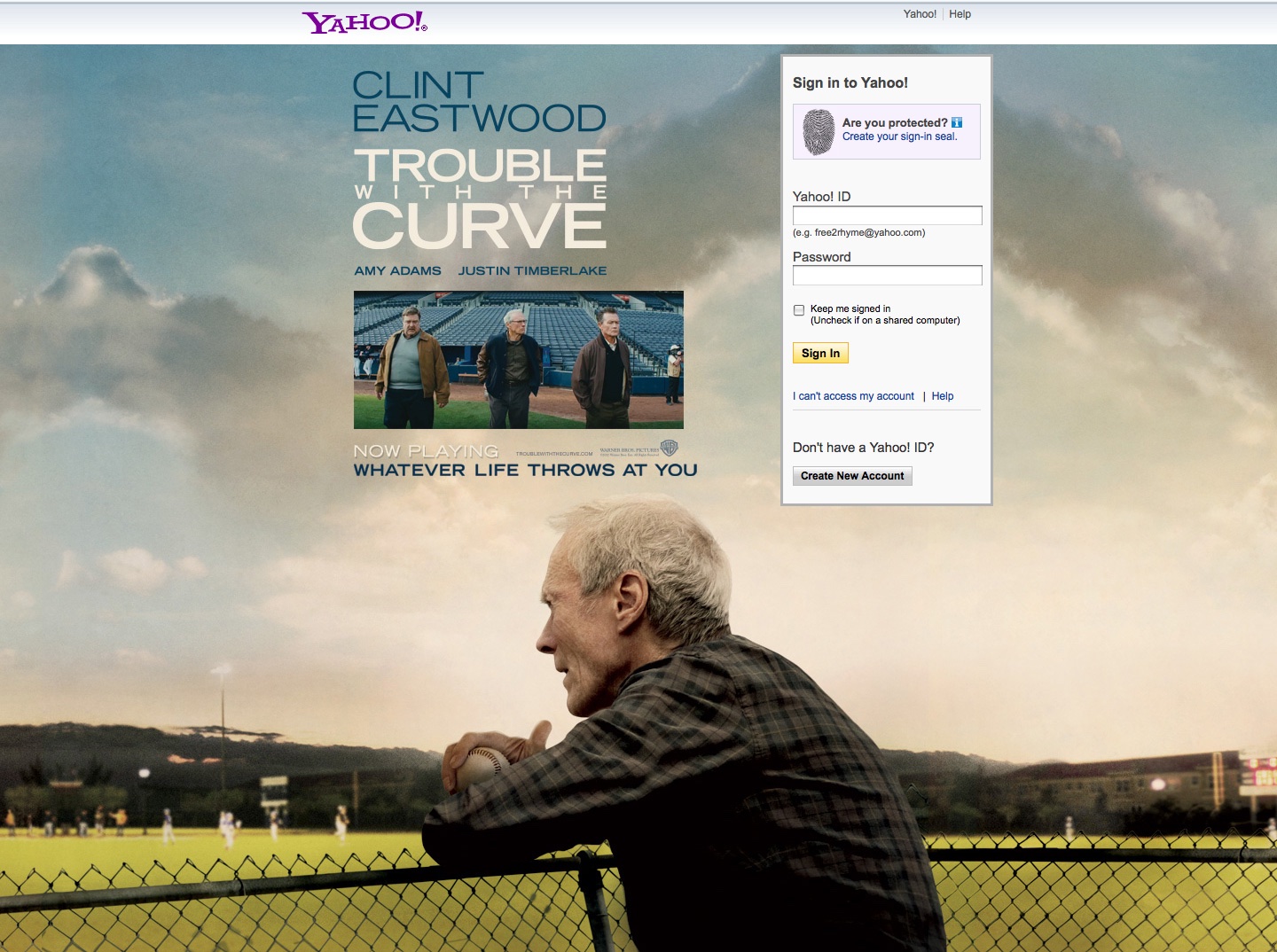
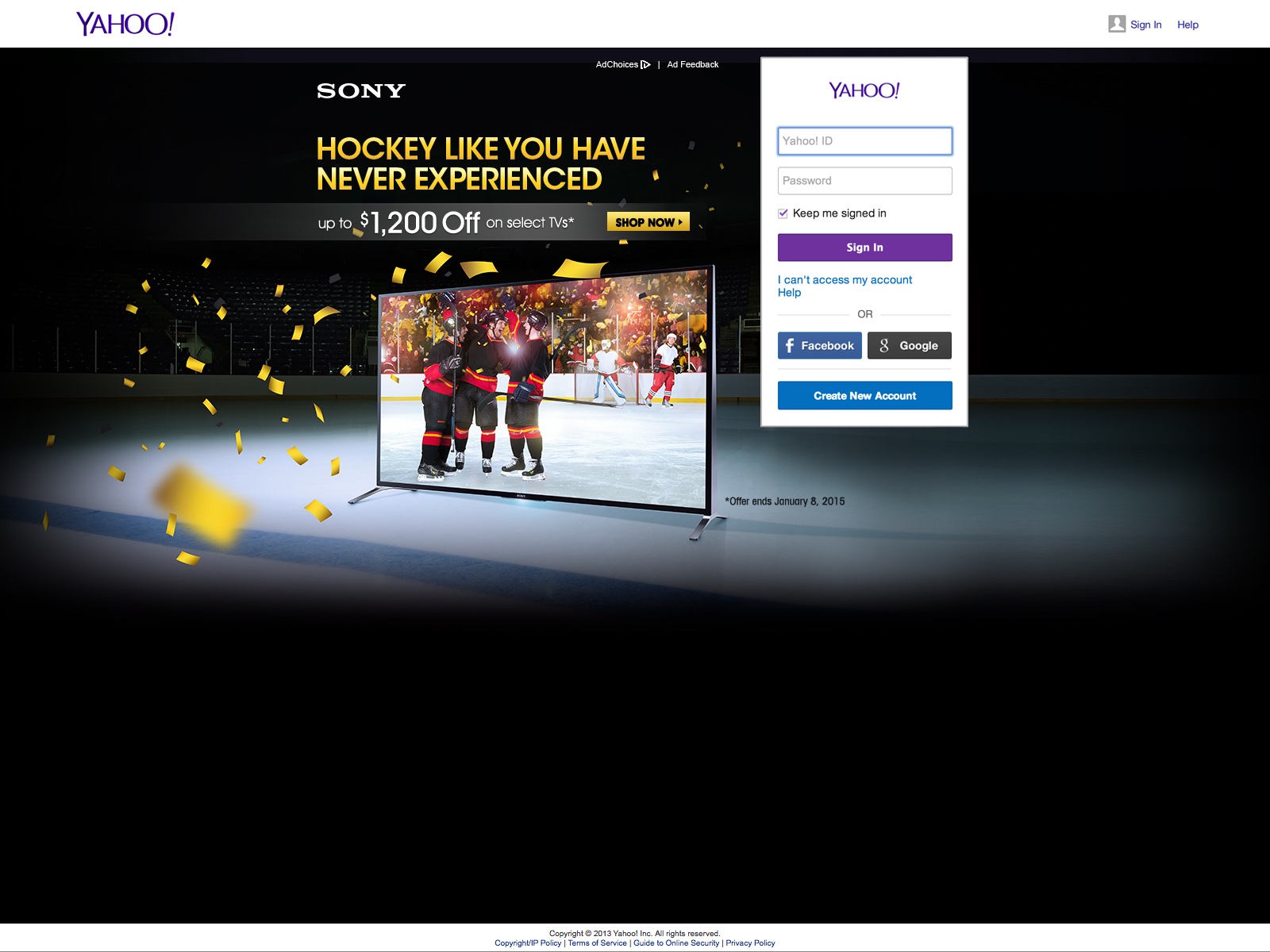
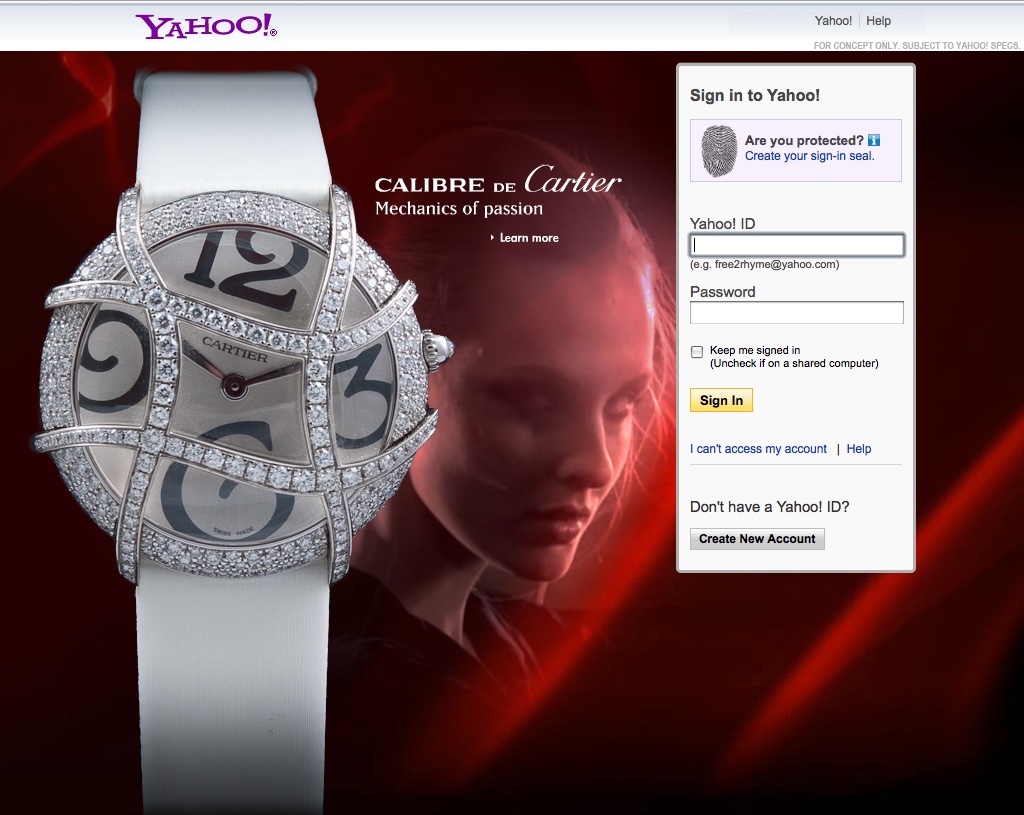
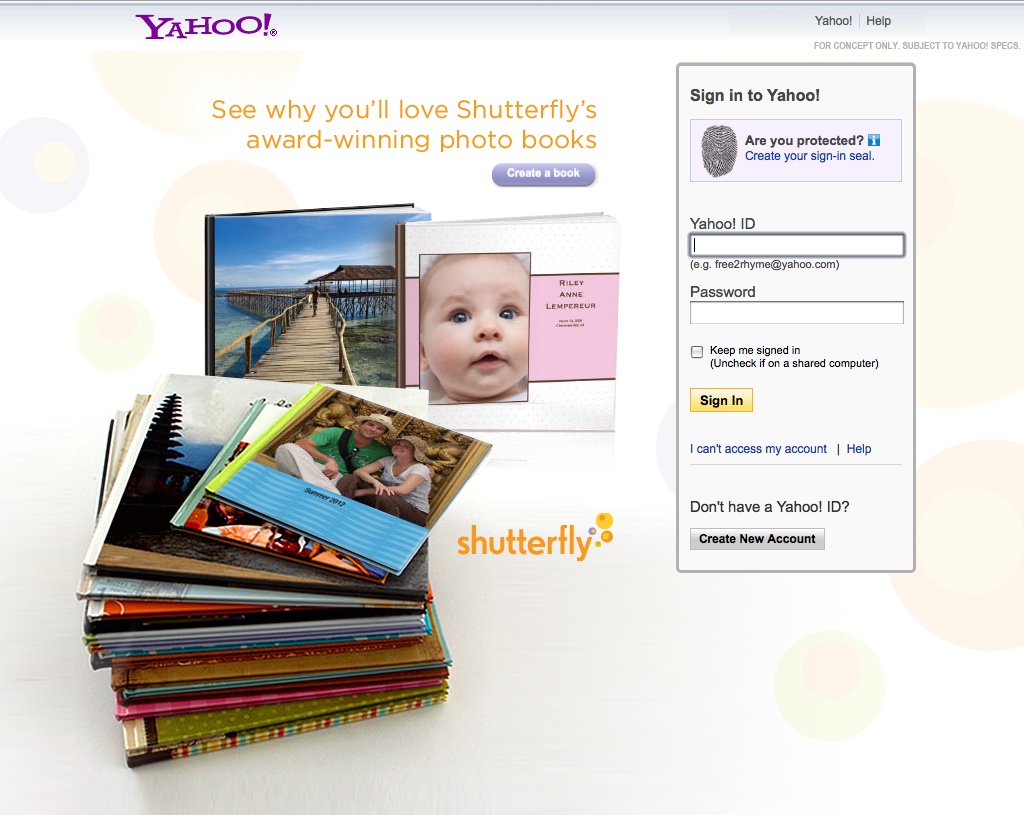
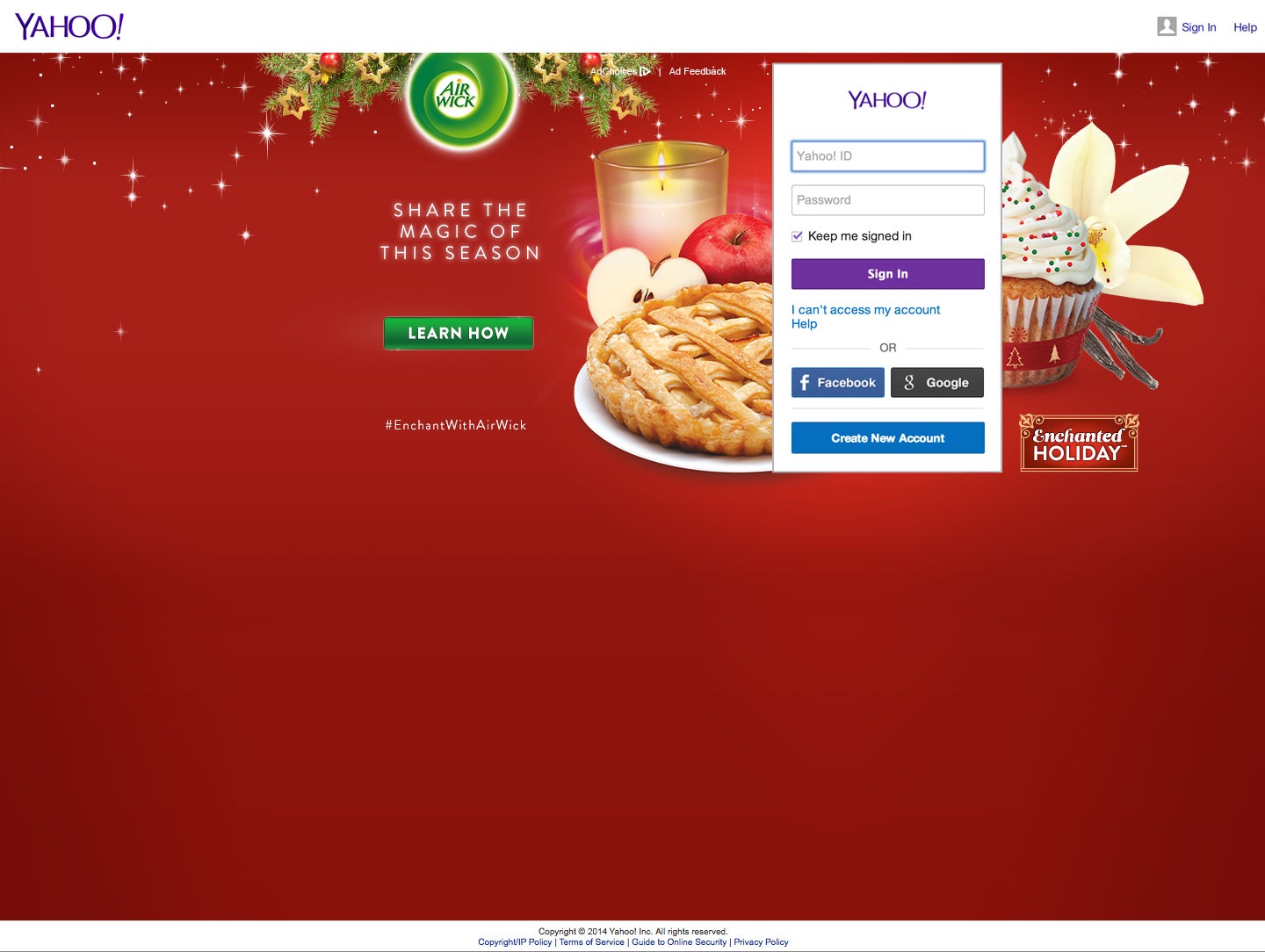
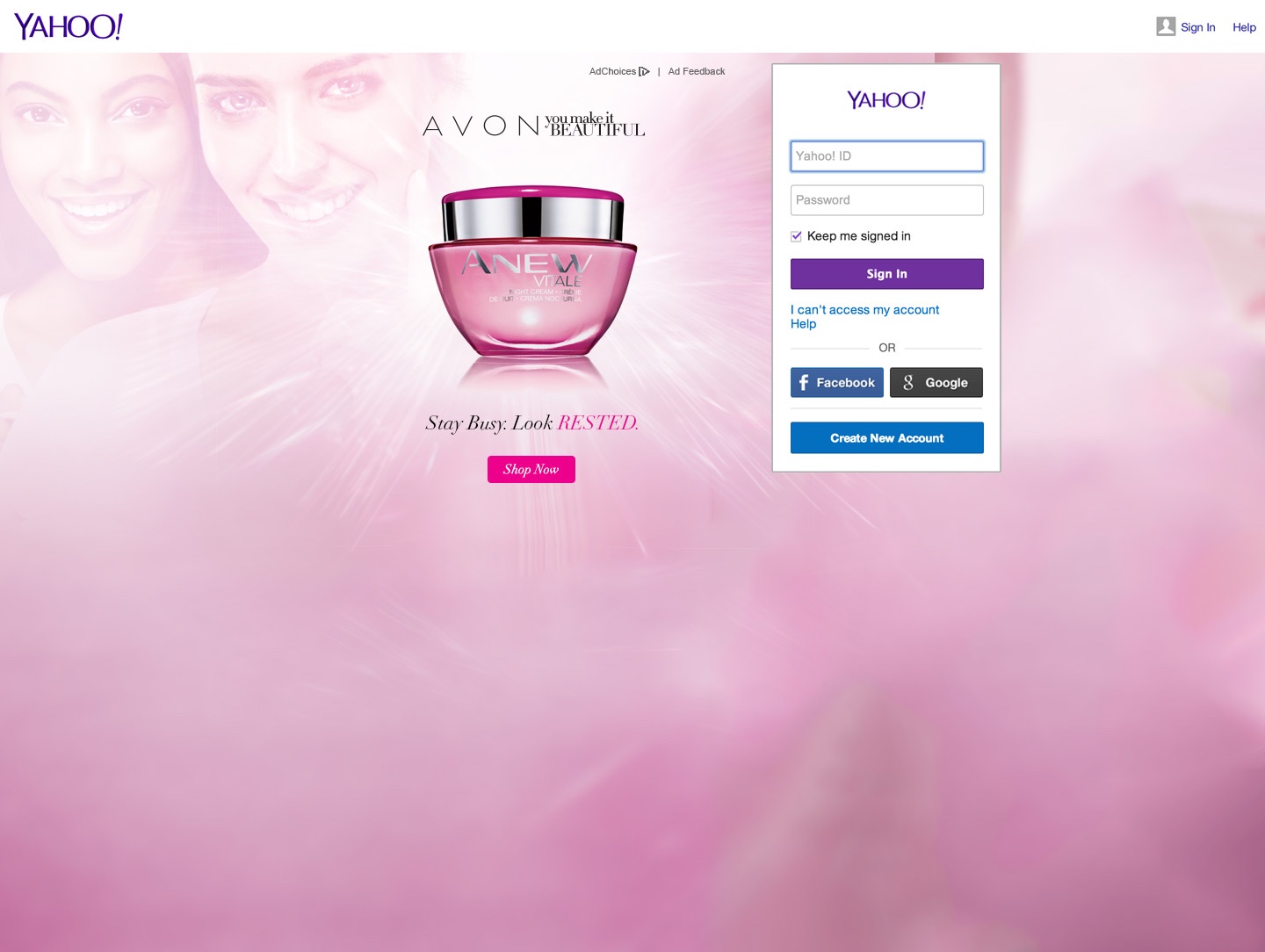
The sign-in screen treated as an ad canvas. The form cannot move — people arrive with their hands already on the keyboard — so the brand has to build a world around a rectangle it is not allowed to touch. Cartier, Corona, X-Men, net-a-porter, Kohl's and Capital One all solve the same fixed problem differently.
Standard Ad Units
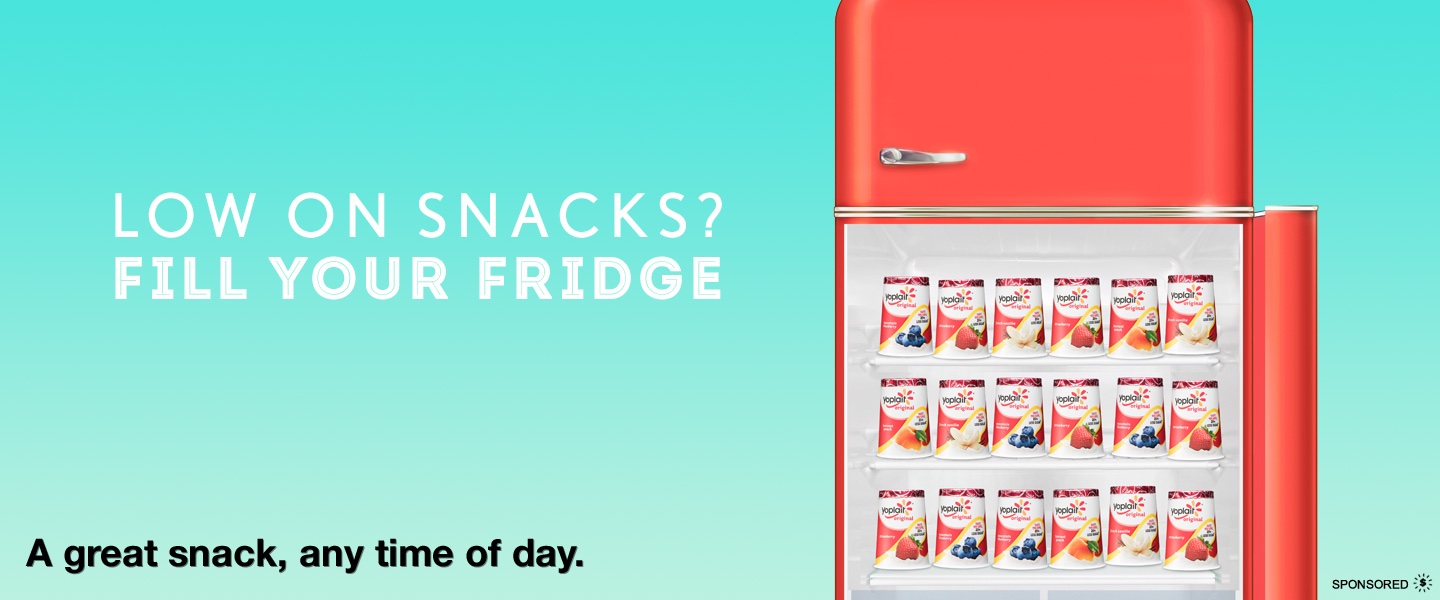
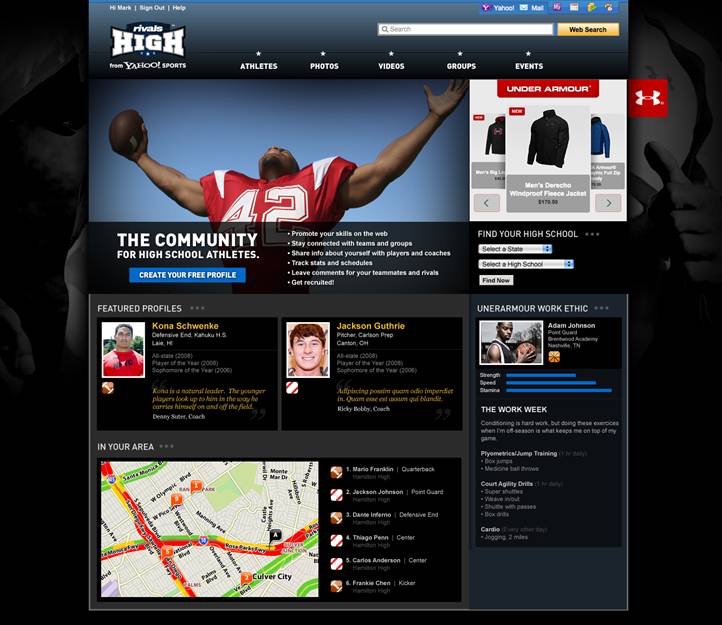
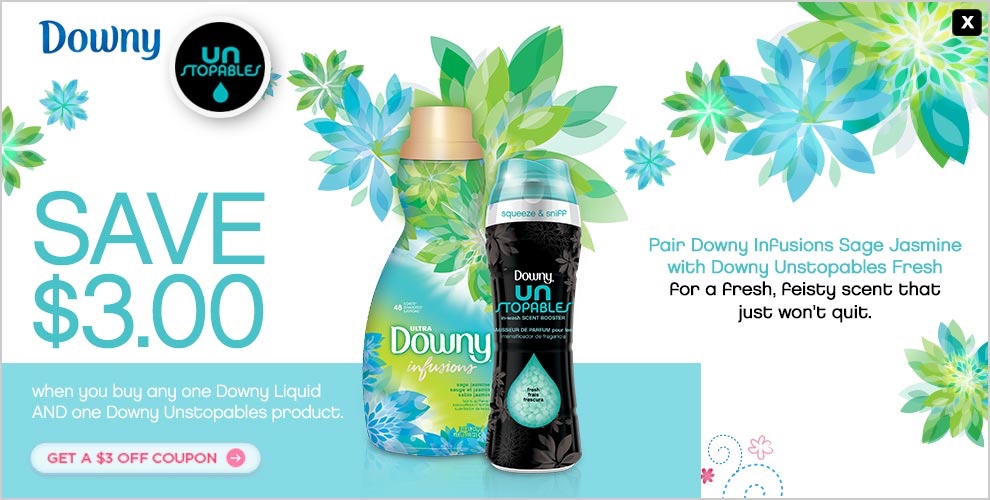
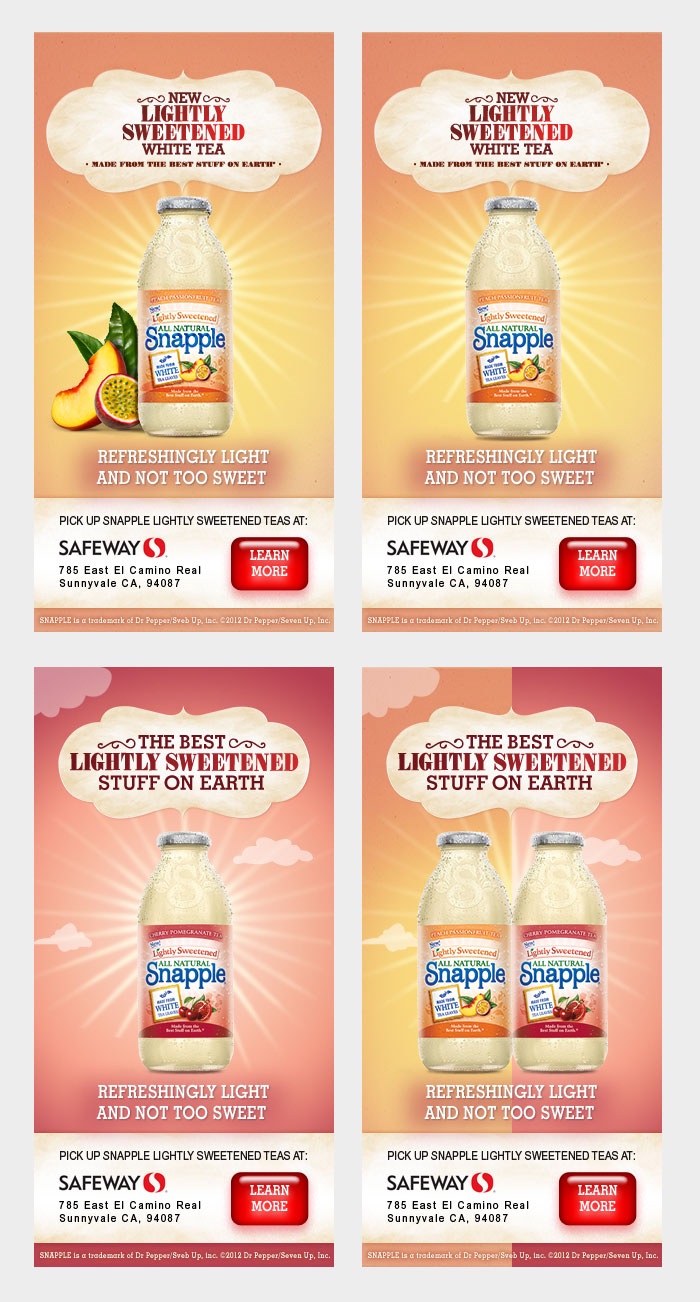
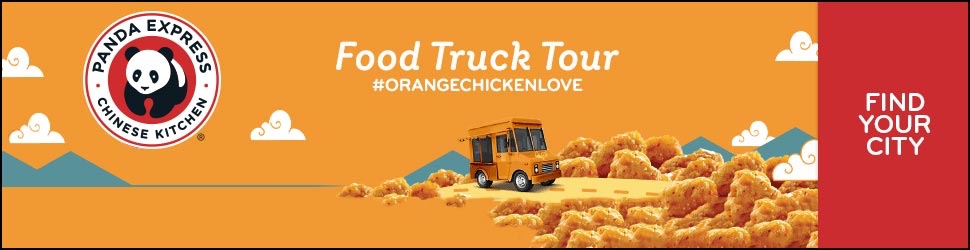
The everyday inventory, and the bulk of the decade: leaderboards, rectangles, skyscrapers and billboards, at their native sizes. These run to a strict spec — a fixed pixel box, a file-weight ceiling, and a few seconds of animation — which is exactly what makes them a craft problem. Nothing here is scaled up for the web; the size is part of the work.

Native Units
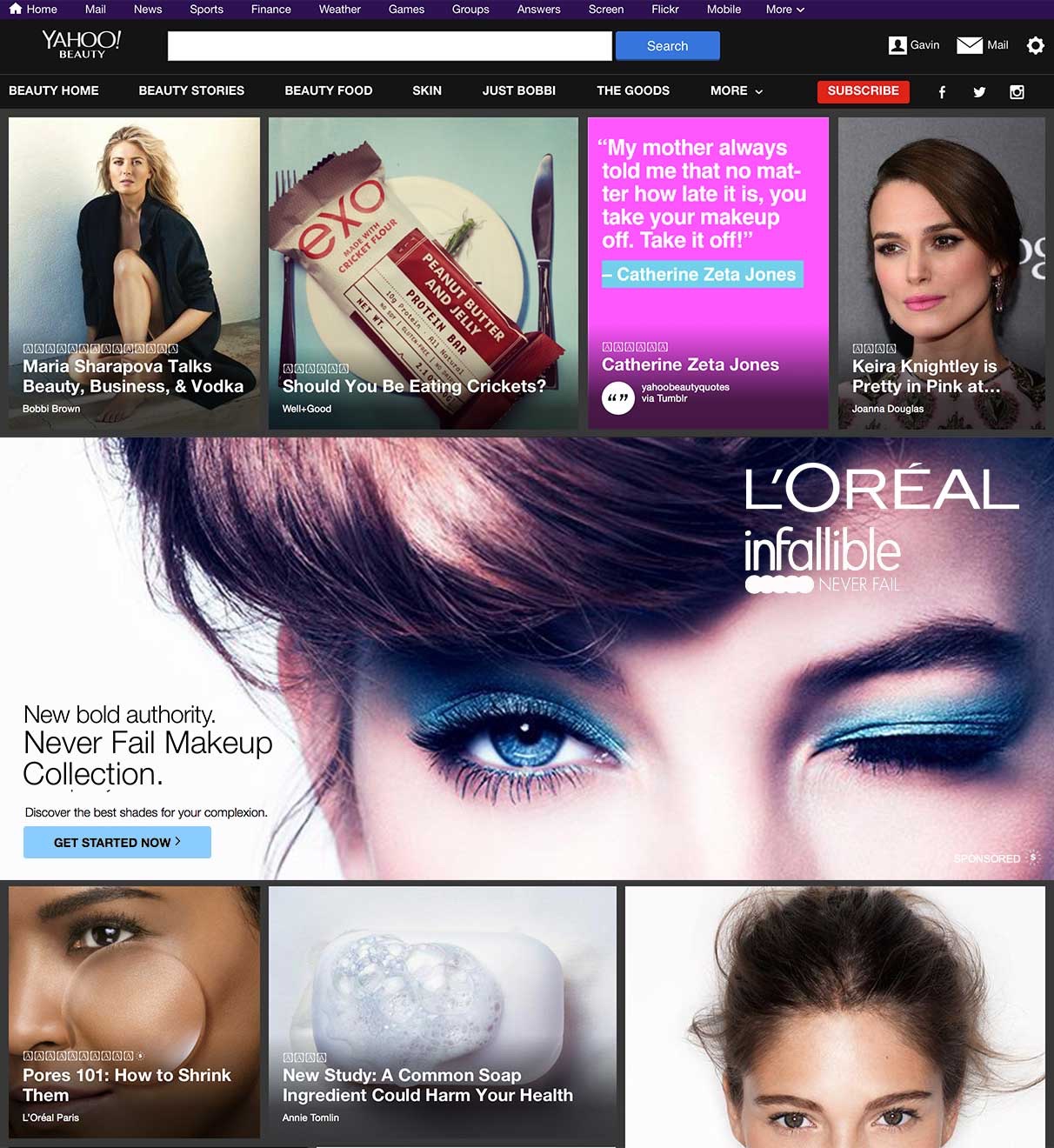
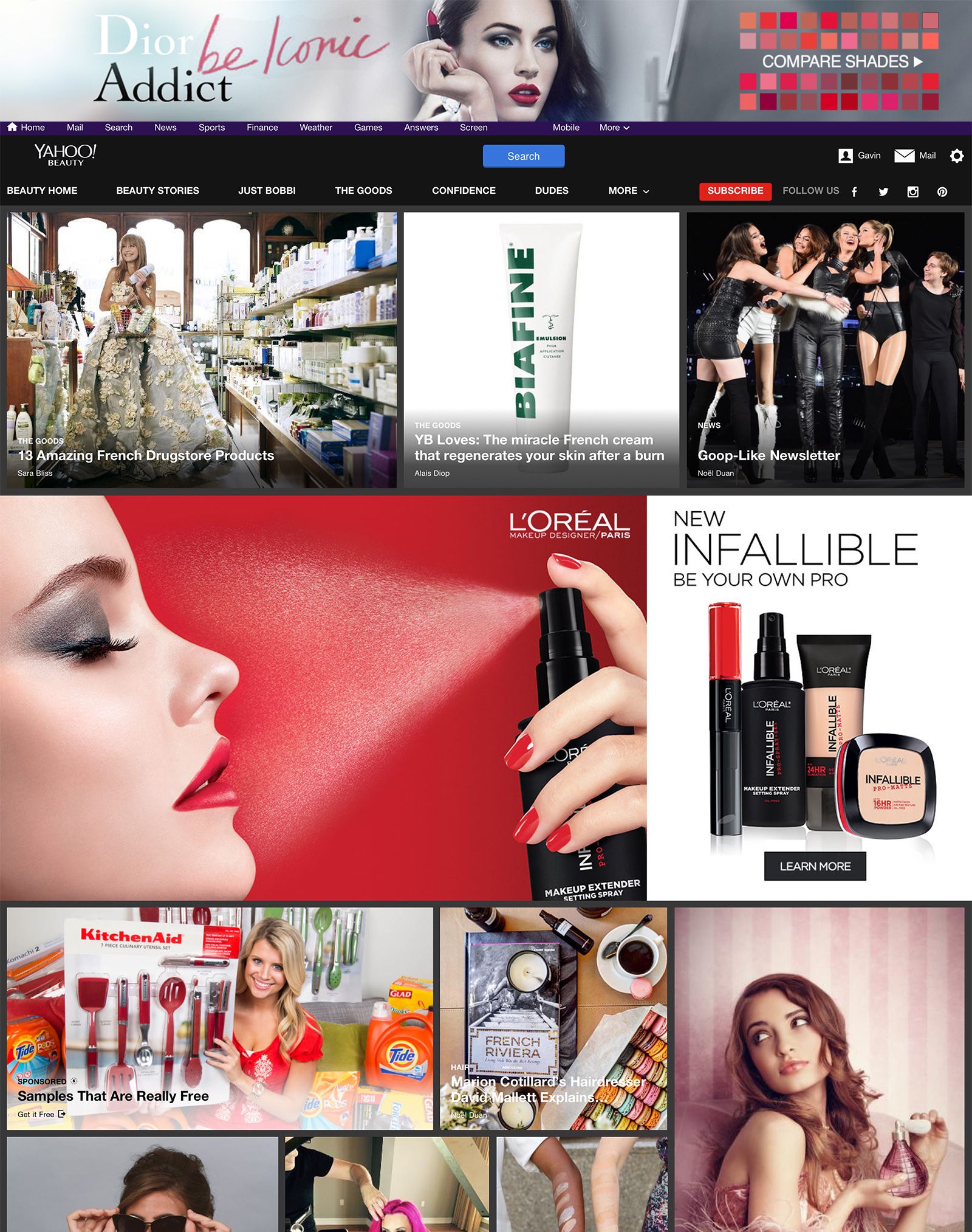
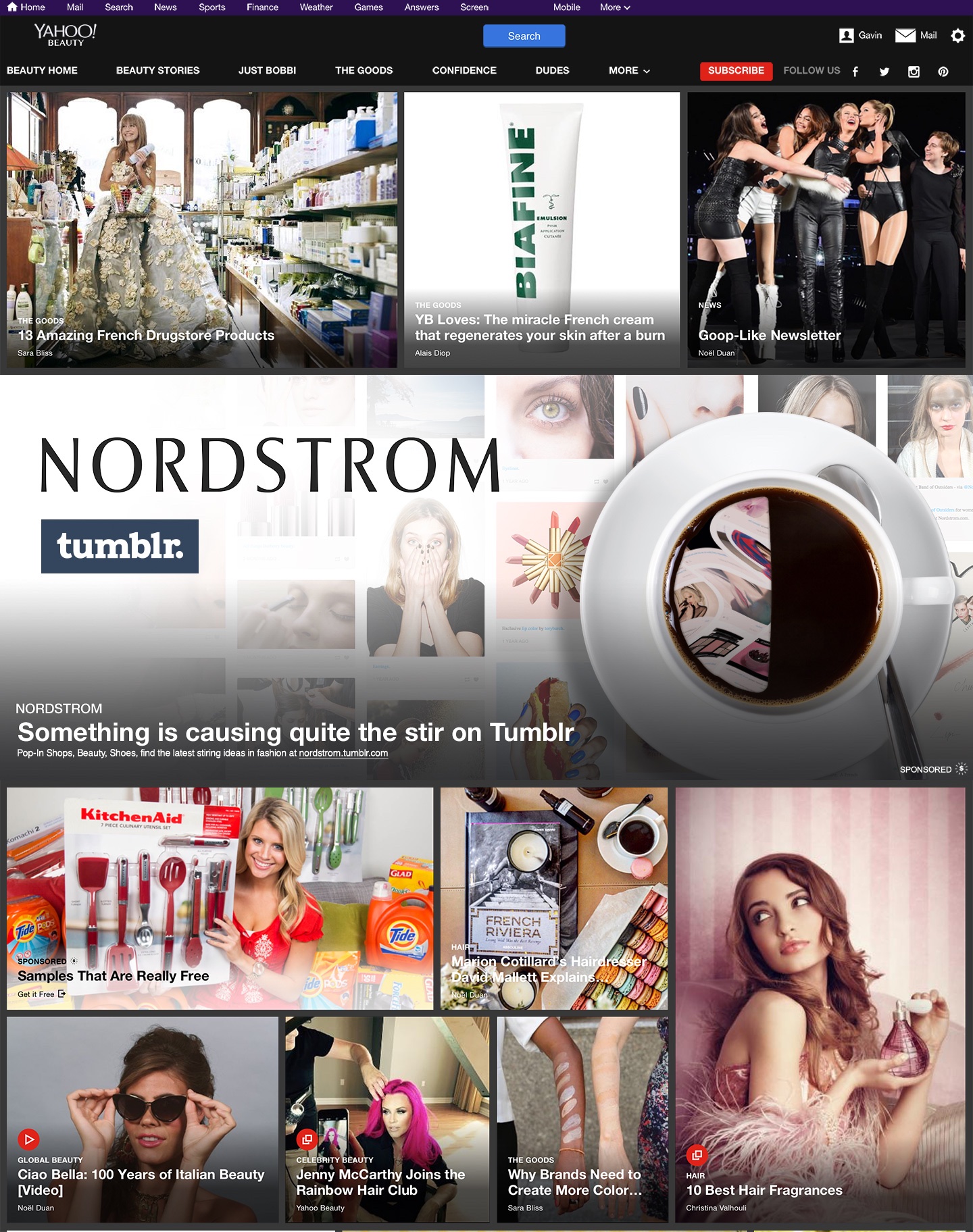
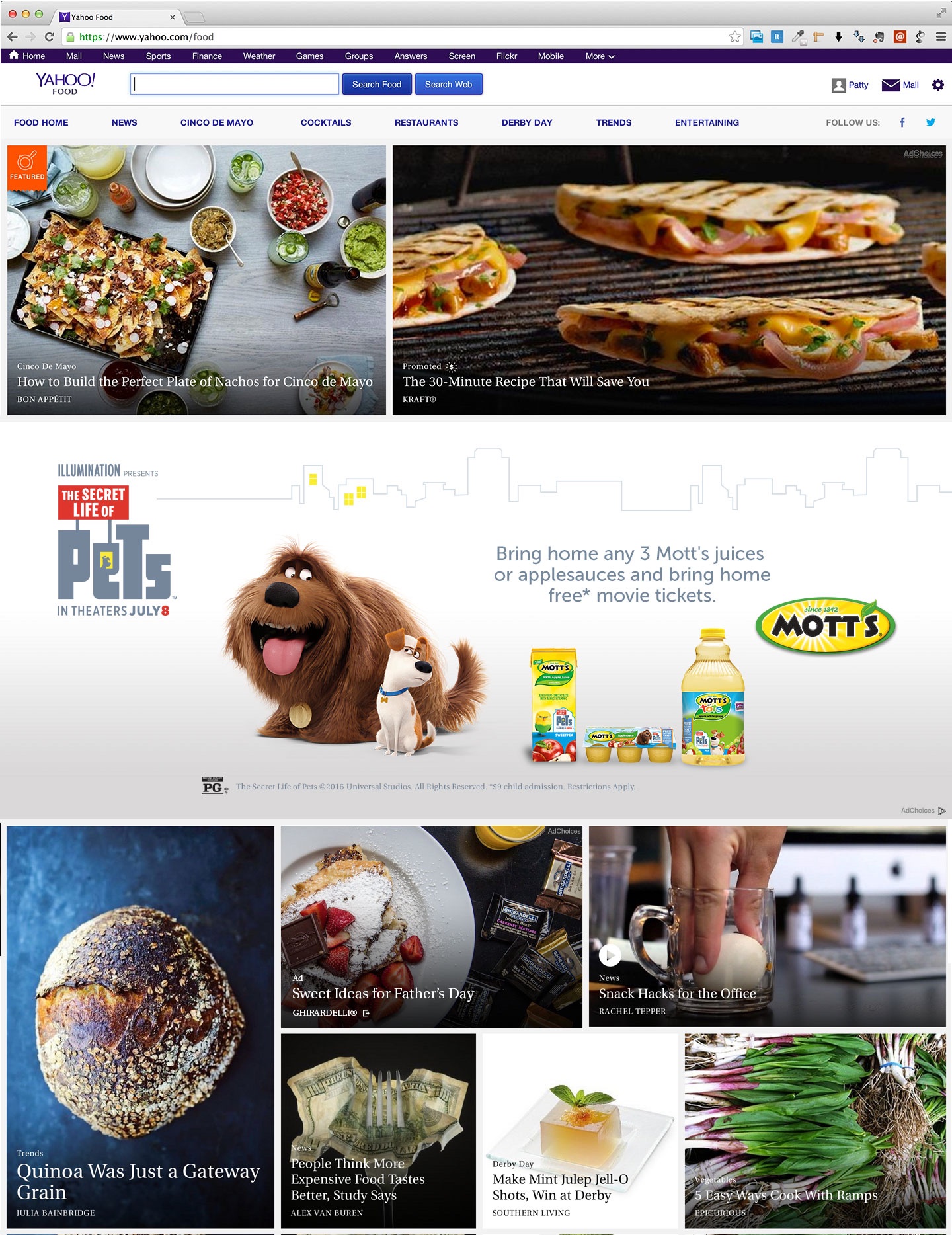
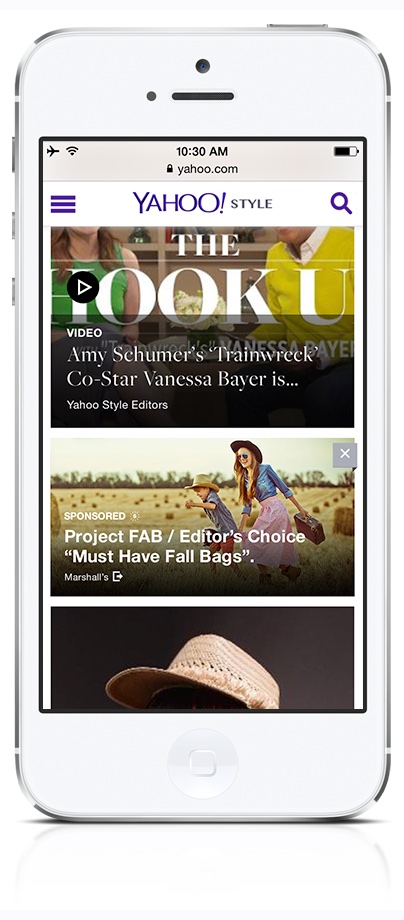
Formats built to sit inside editorial rather than beside it, matching the host page's grid, type and rhythm — Yahoo Beauty, Dior, and the food splash tiles.
Mobile & Post-Tap
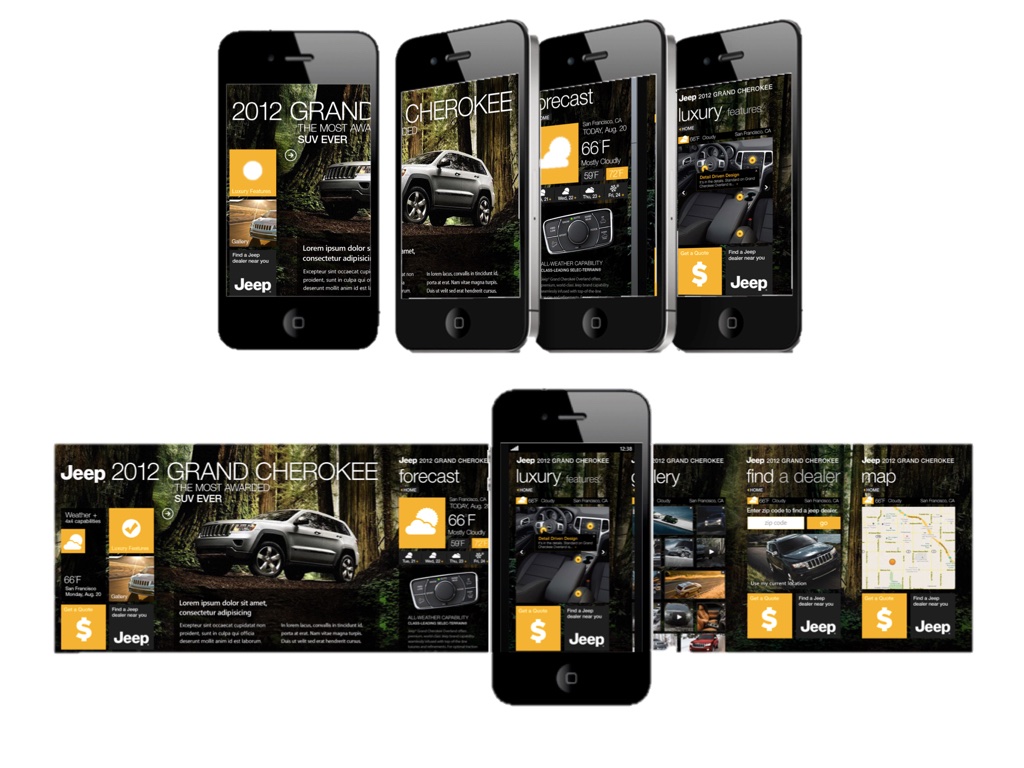
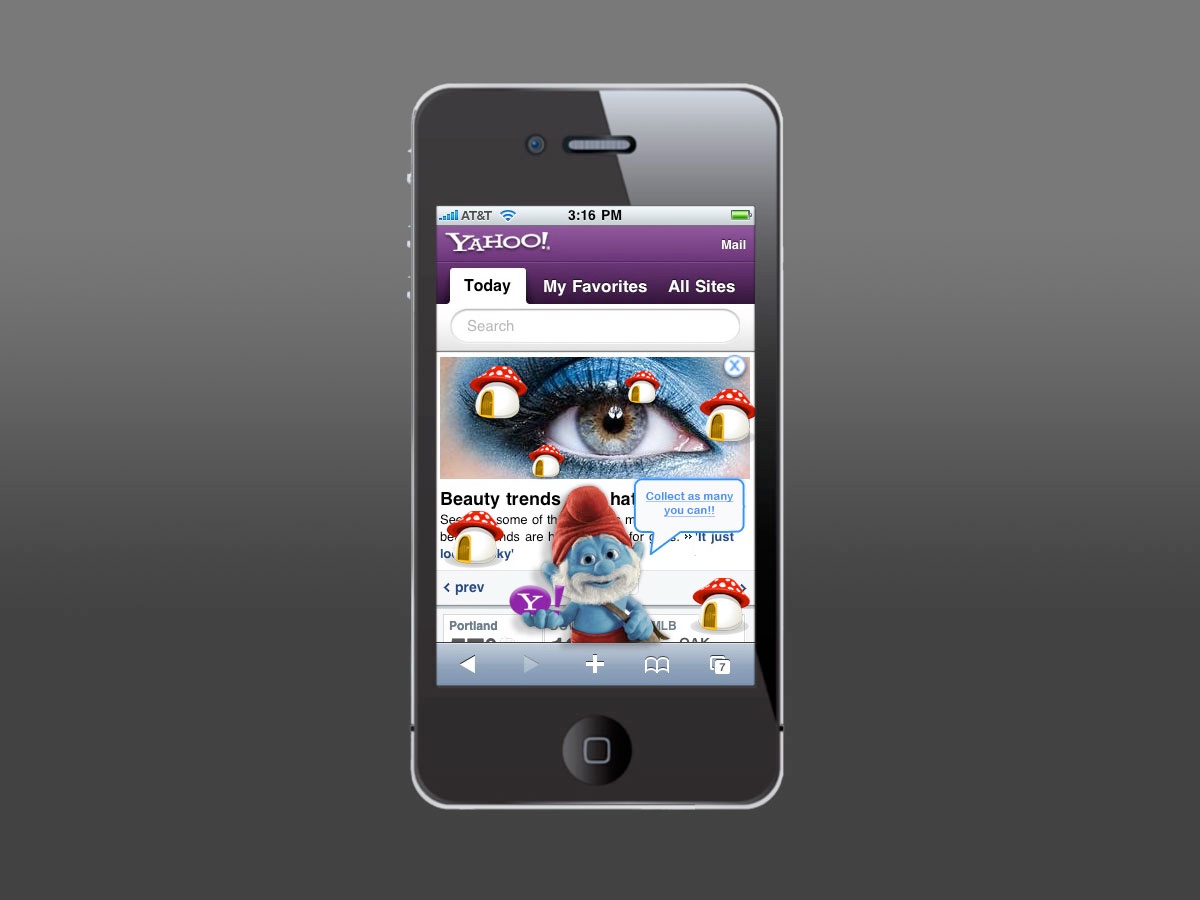
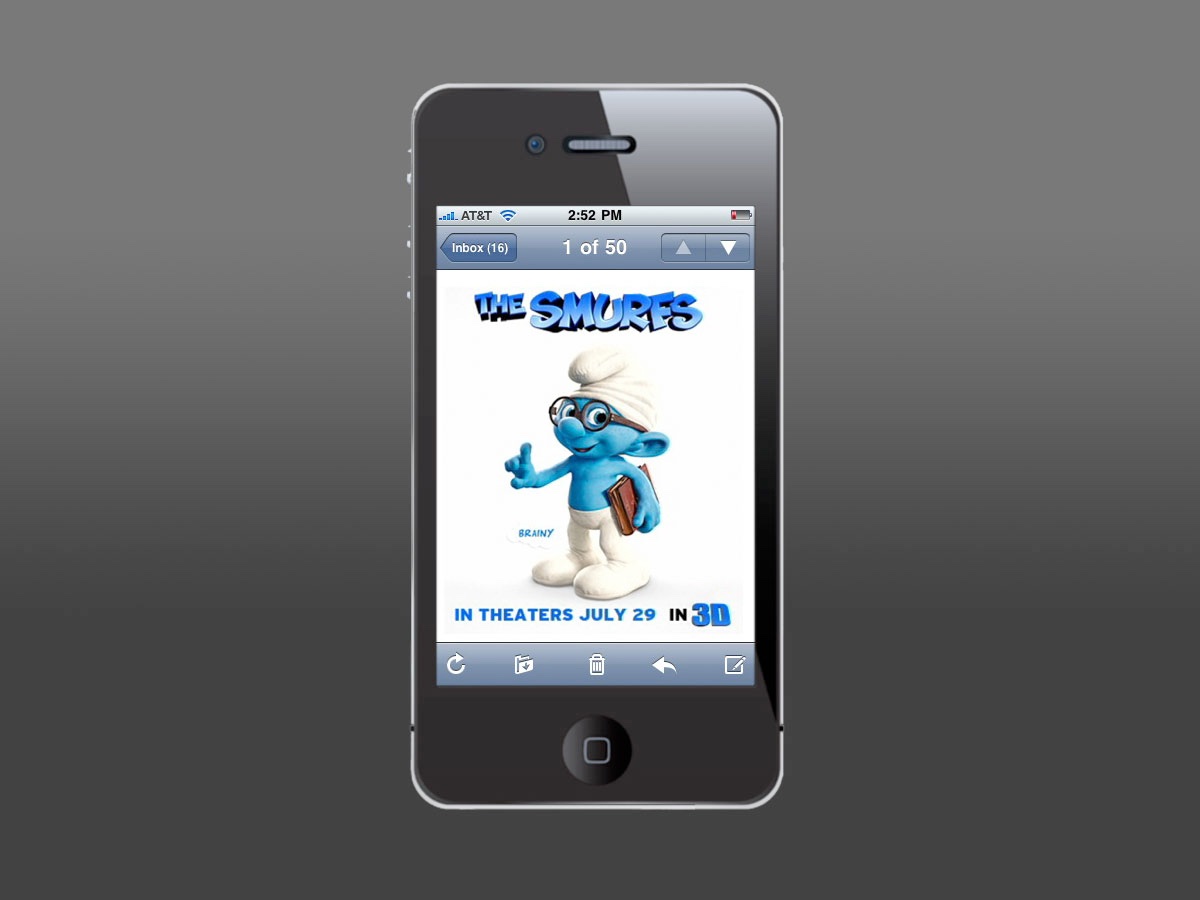
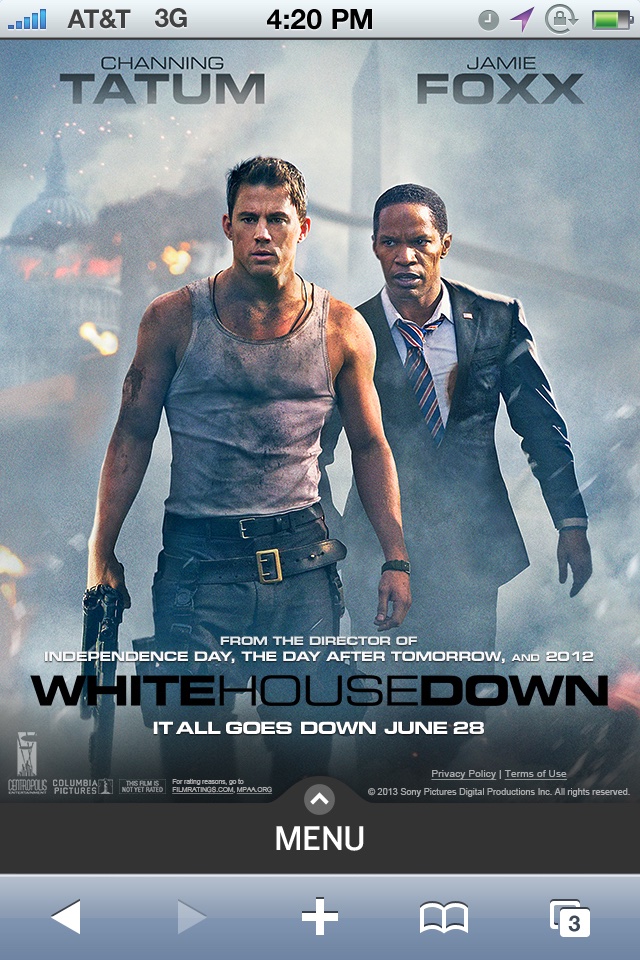
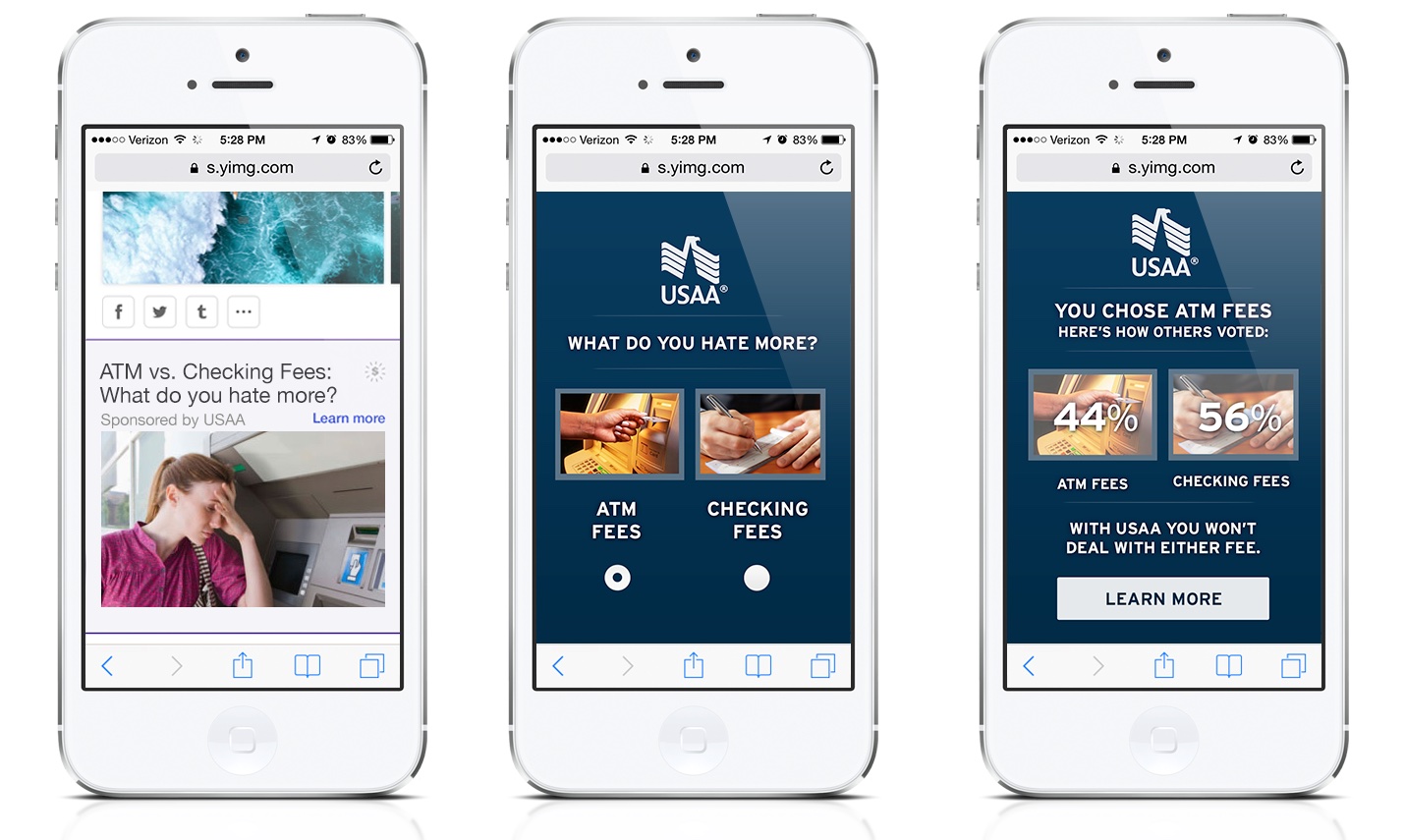
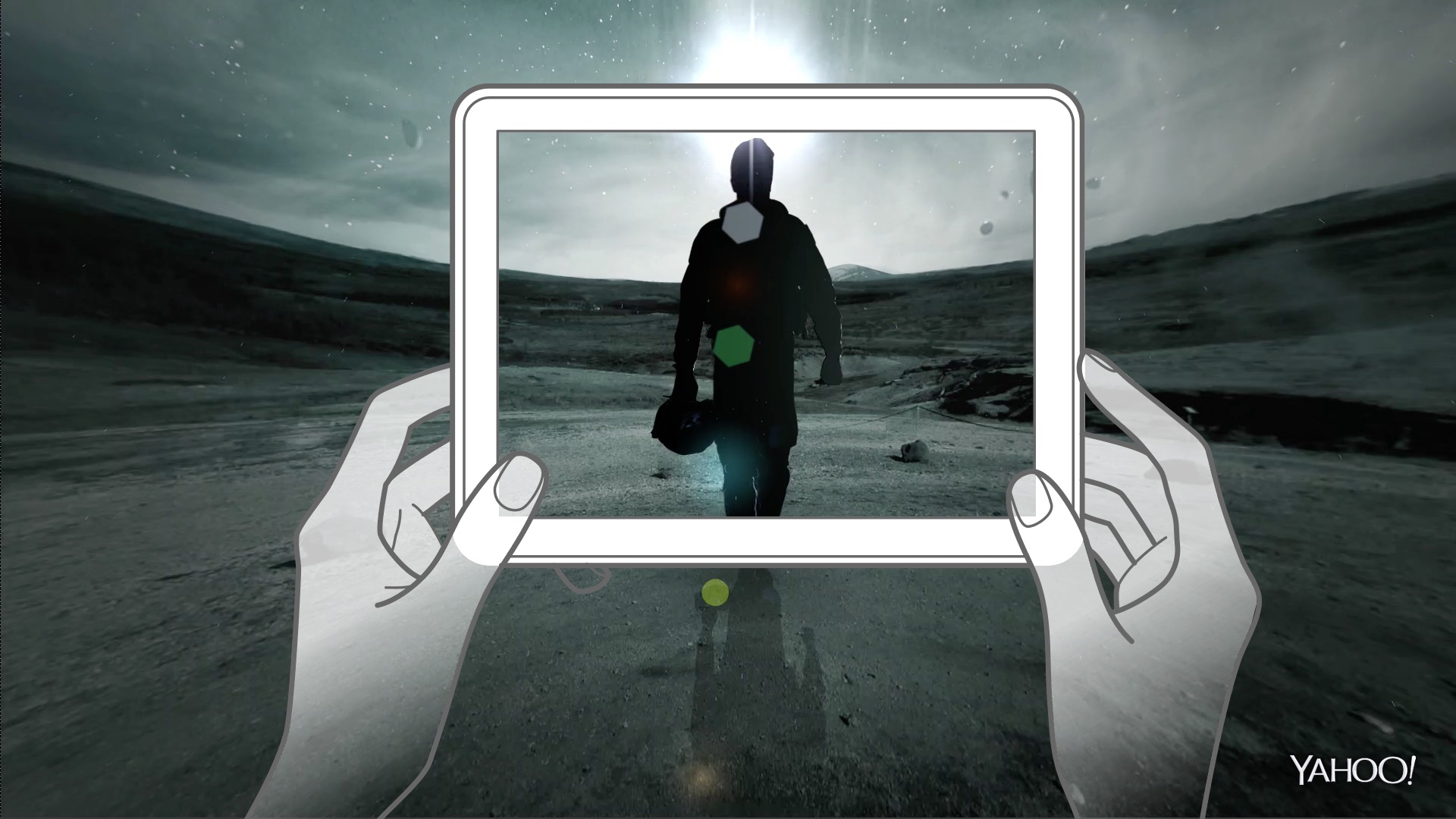
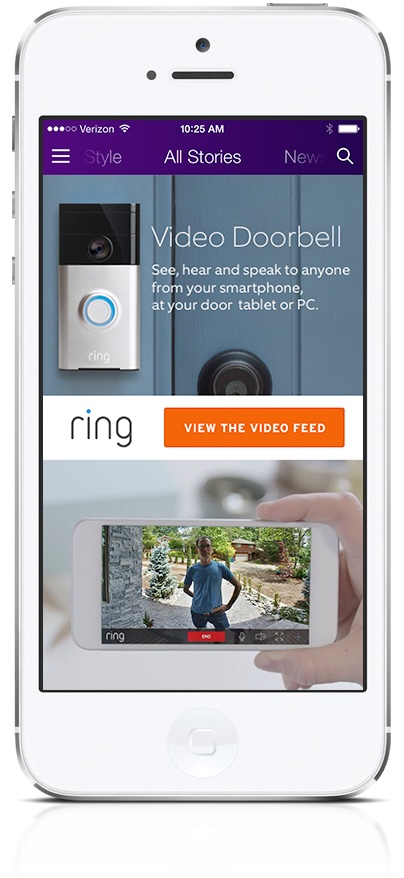
Phone and tablet formats, including post-tap gyroscope units where tilting the handset moves the scene behind the screen. The Campbell's and JetBlue builds below were published as Yahoo native-ad specs on the Ad Creative Tech Showcase.

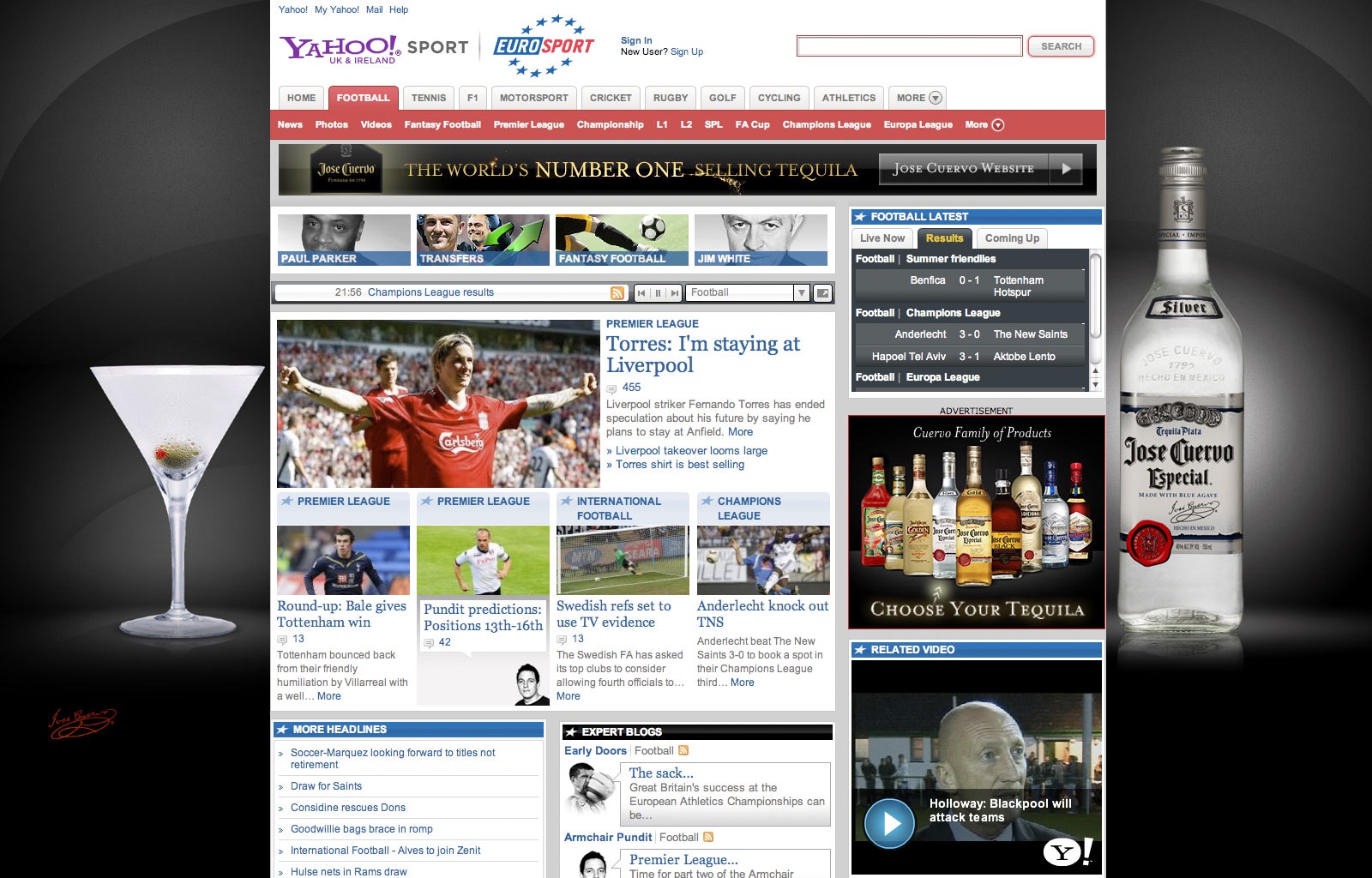
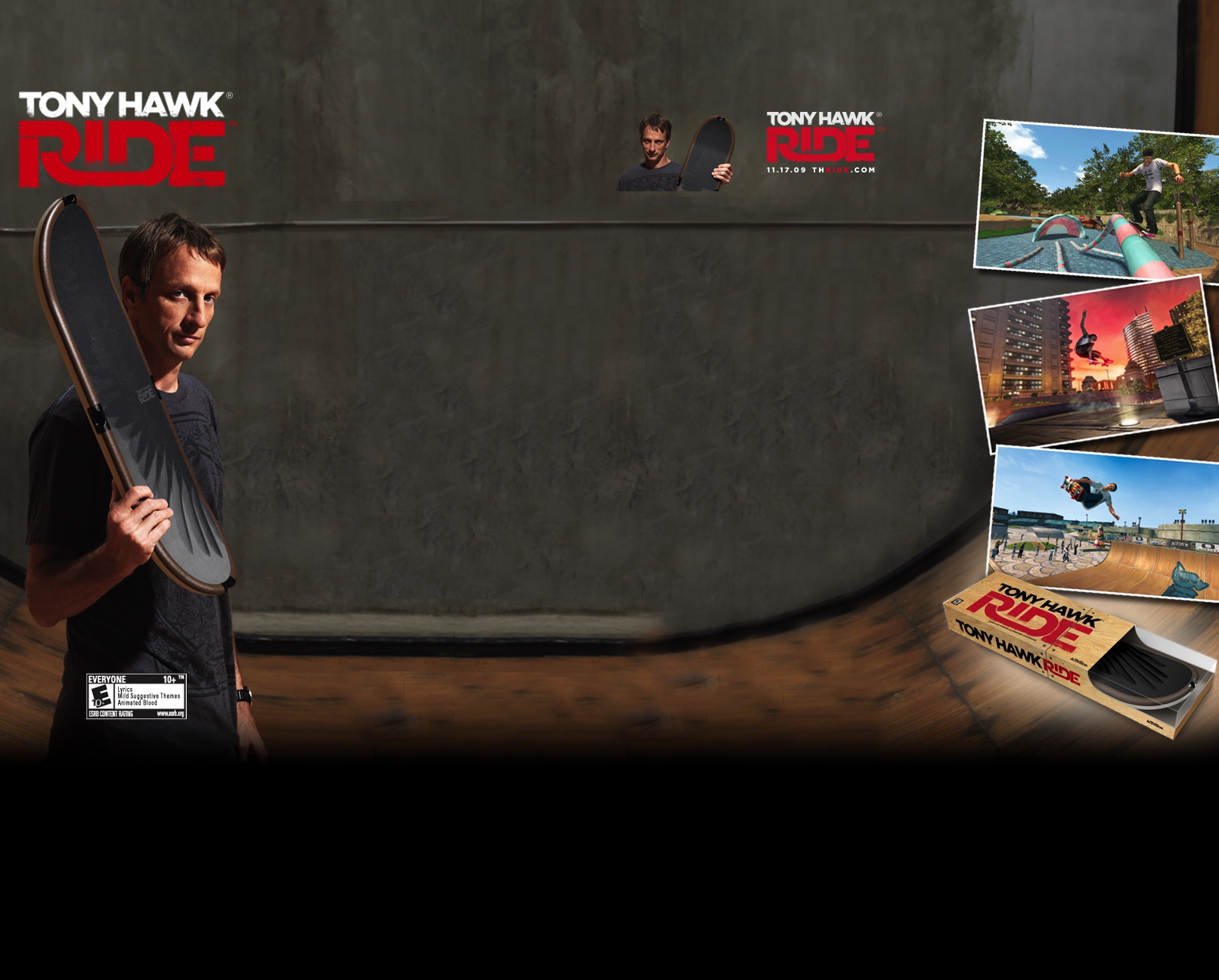
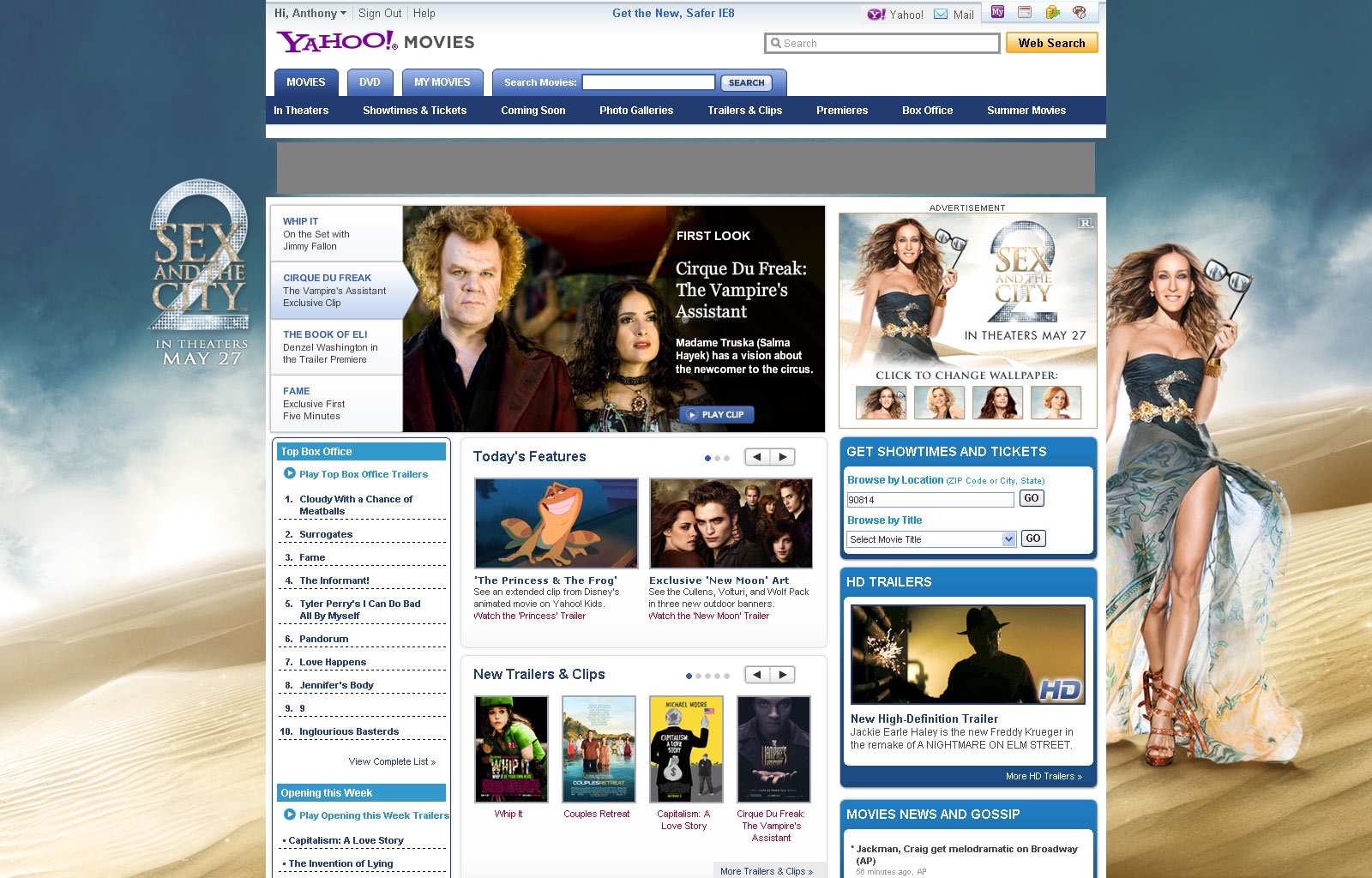
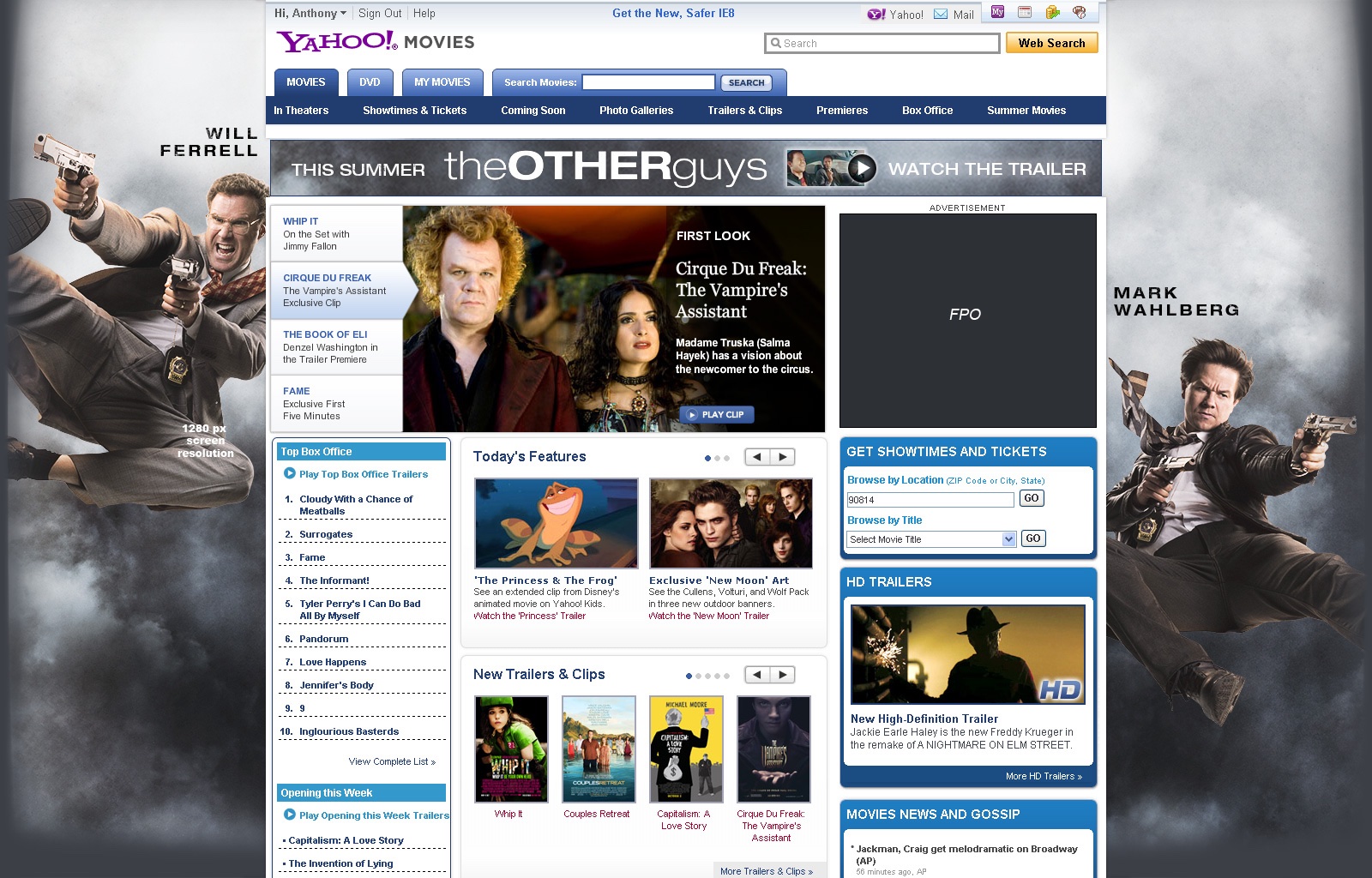
Wallpaper & Page Skins
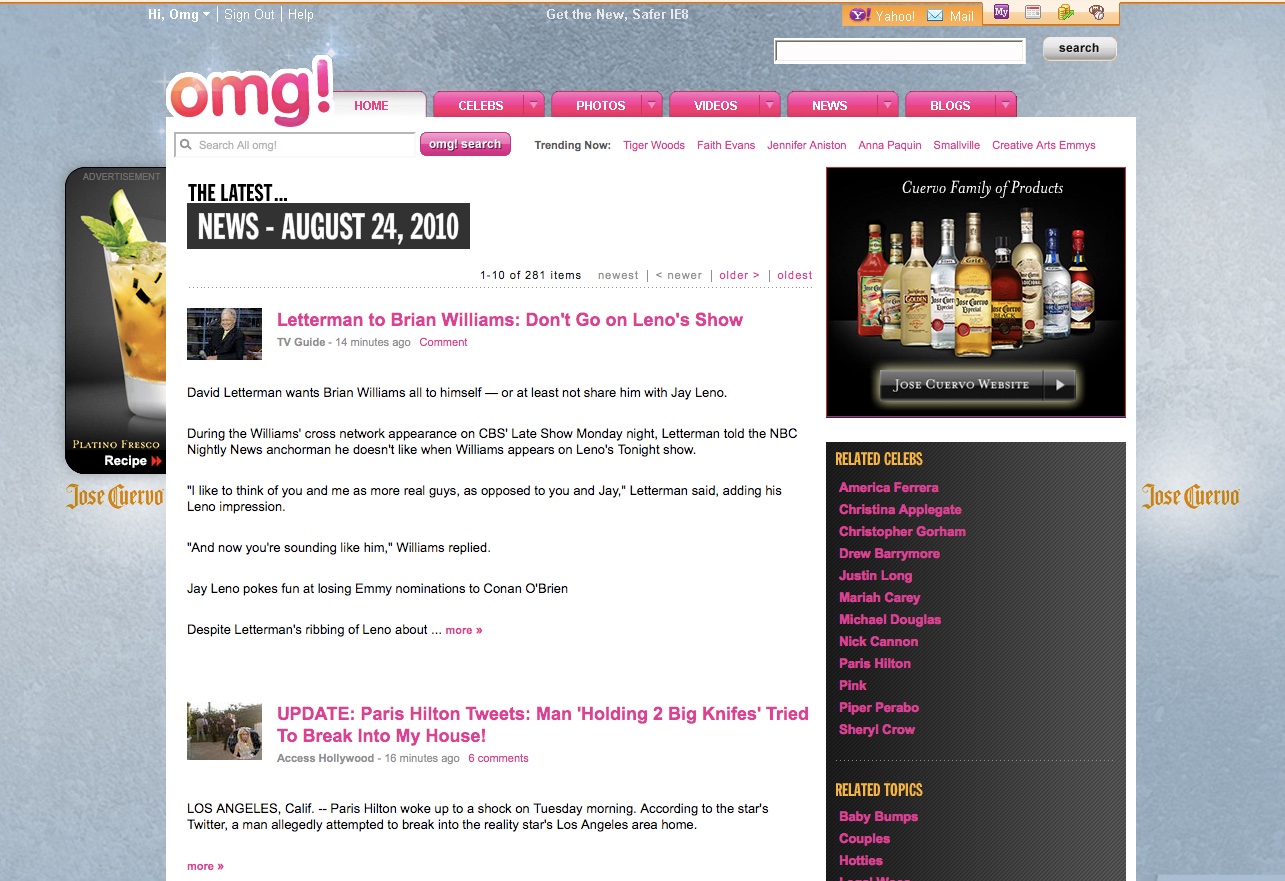
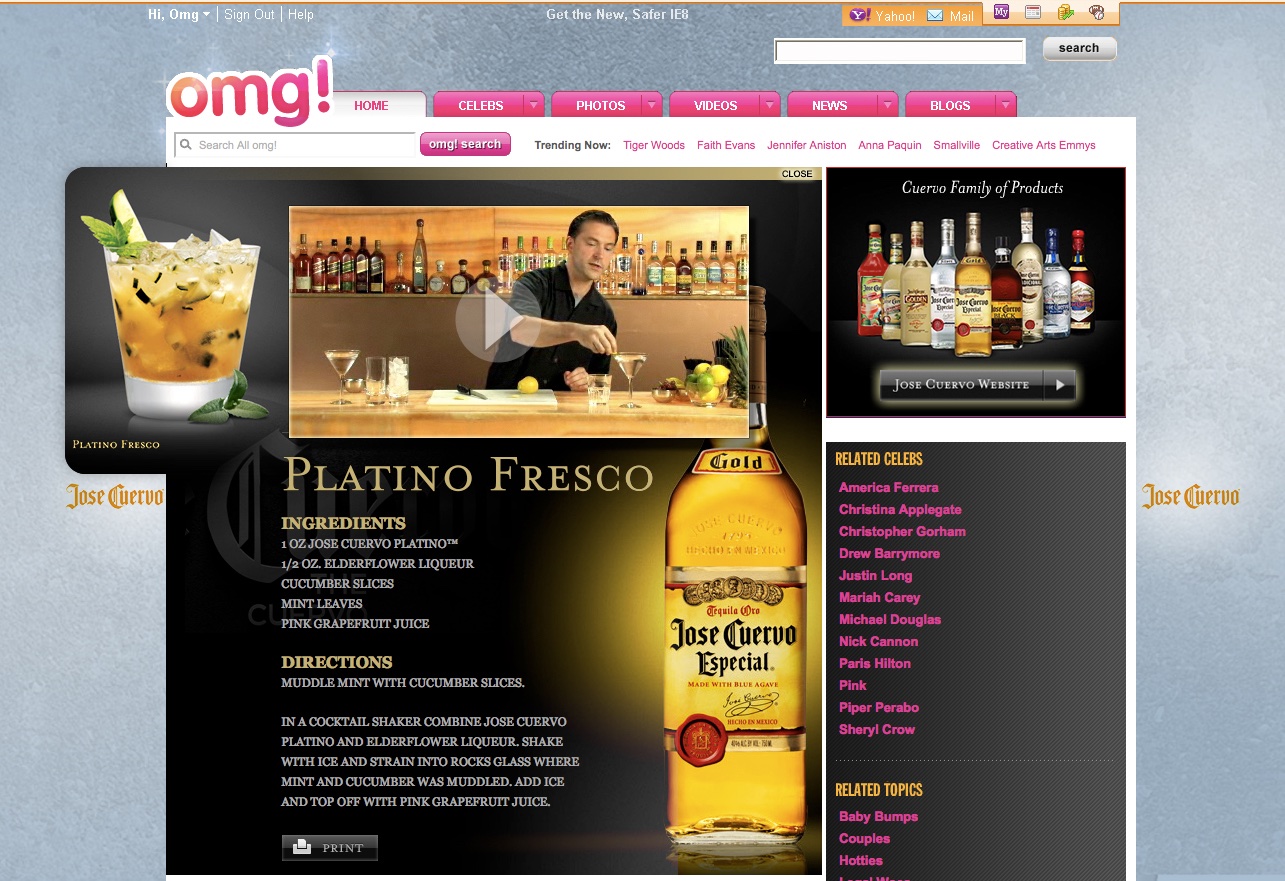
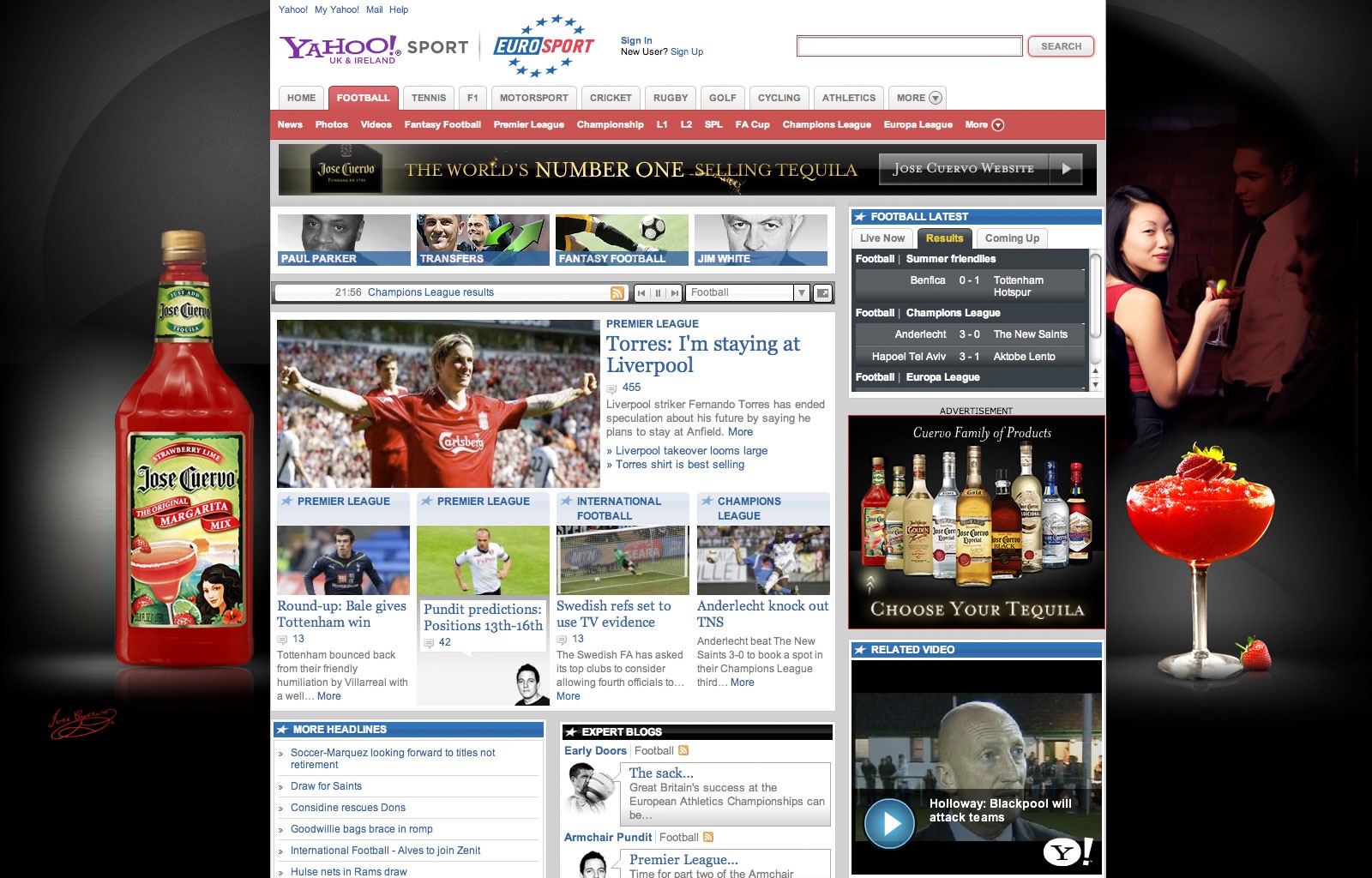
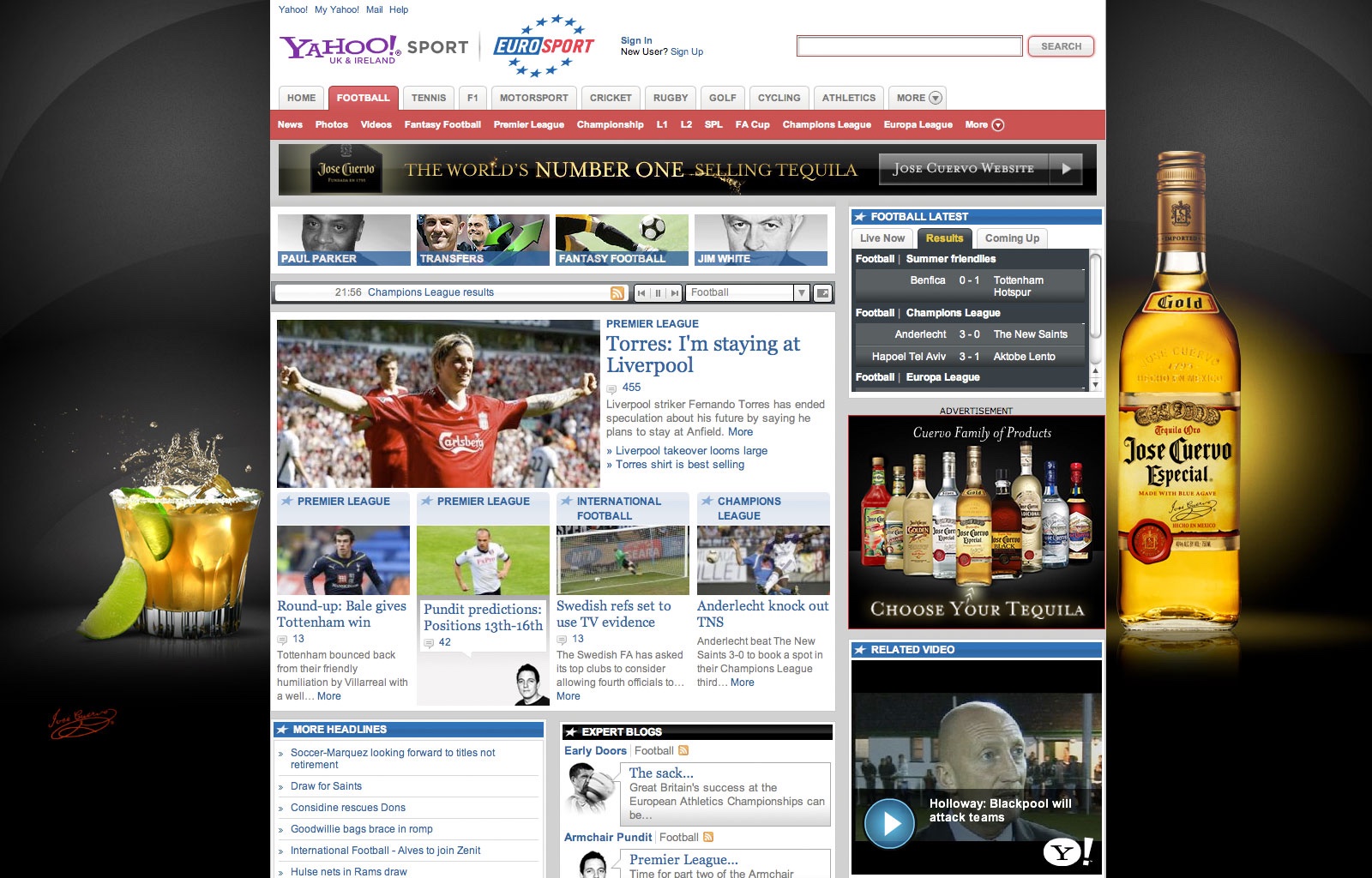
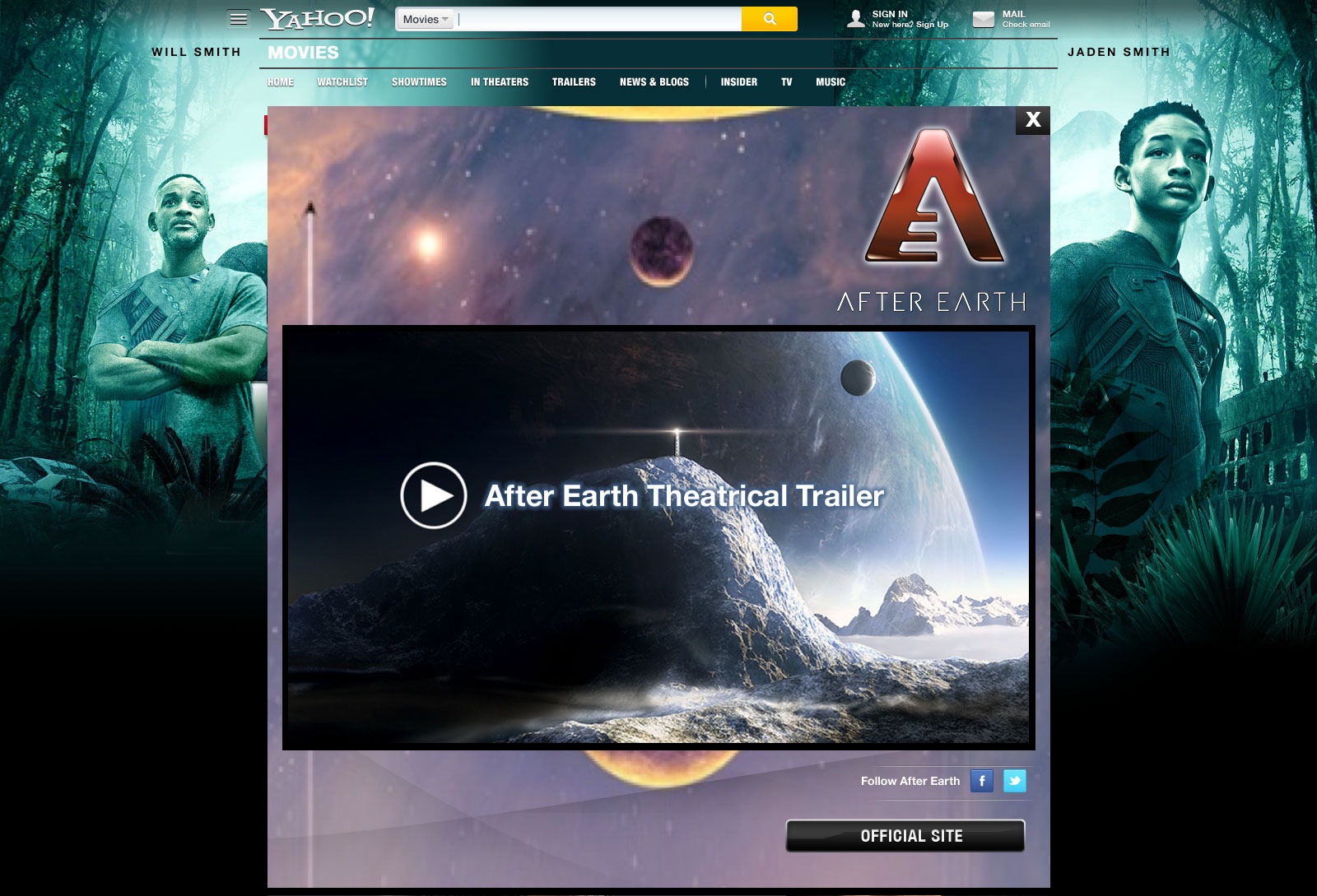
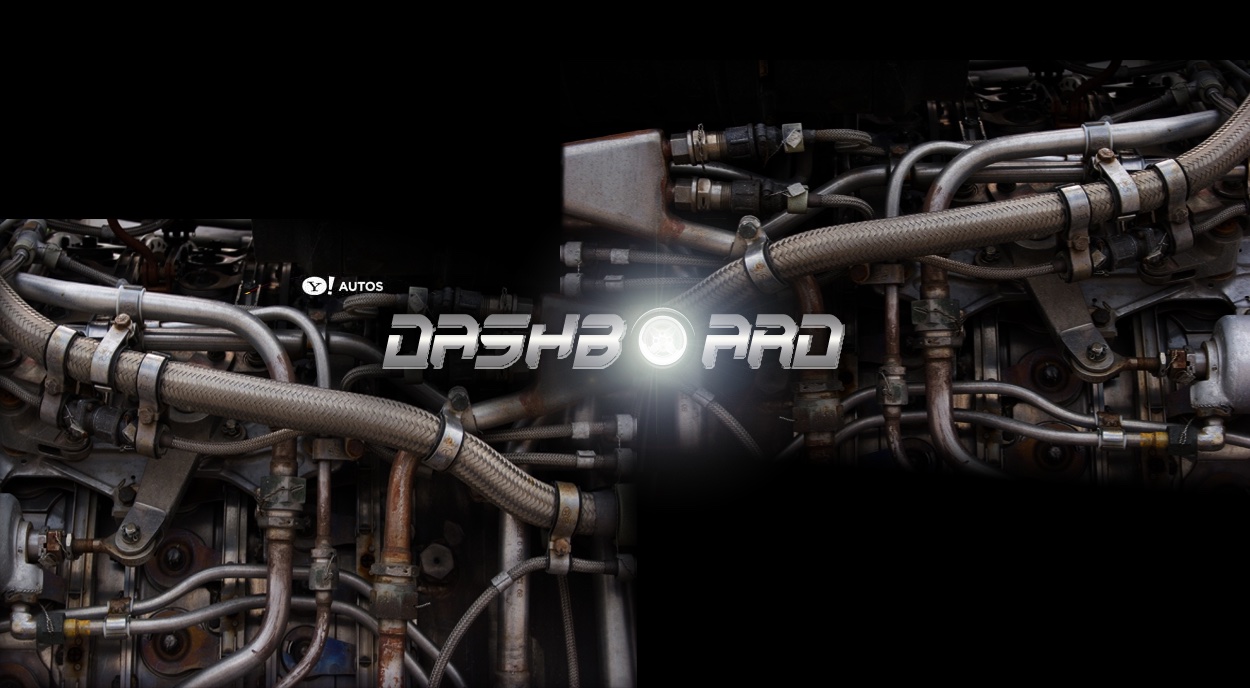
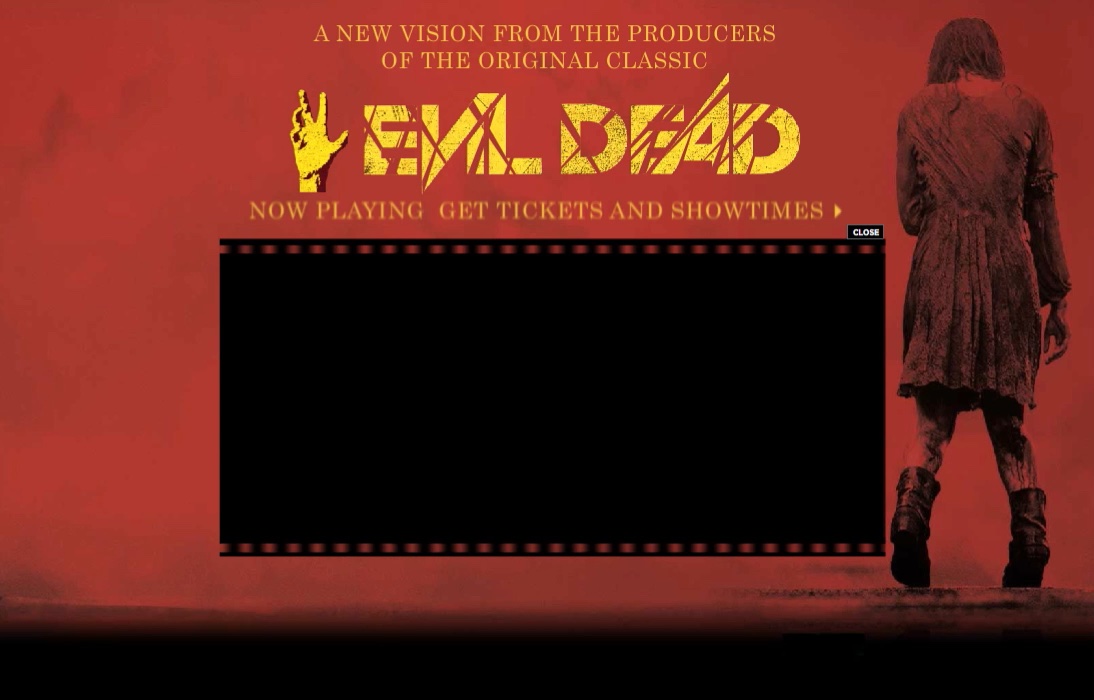
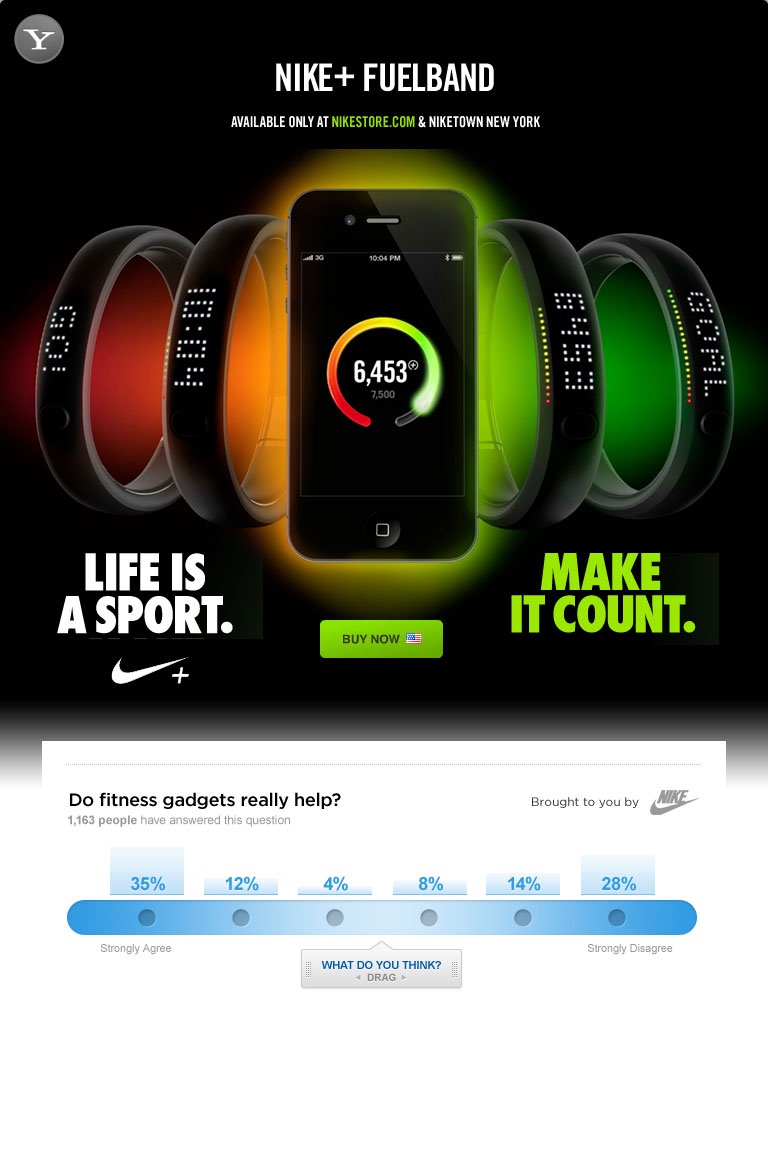
The skin behind the content column — artwork that has to read as a full-bleed image and still leave the middle of the page legible. Tony Hawk, Motrin, Evil Dead, After Earth, New Zealand Tourism, and the Jose Cuervo set.


Sales Demos
Films made to sell the formats themselves. Before an advertiser buys a unit that does not exist yet, somebody has to show them what it does — these are those explainers, including the 2007–2008 Smart Ads and behavioural-targeting decks.
Beyond the Browser
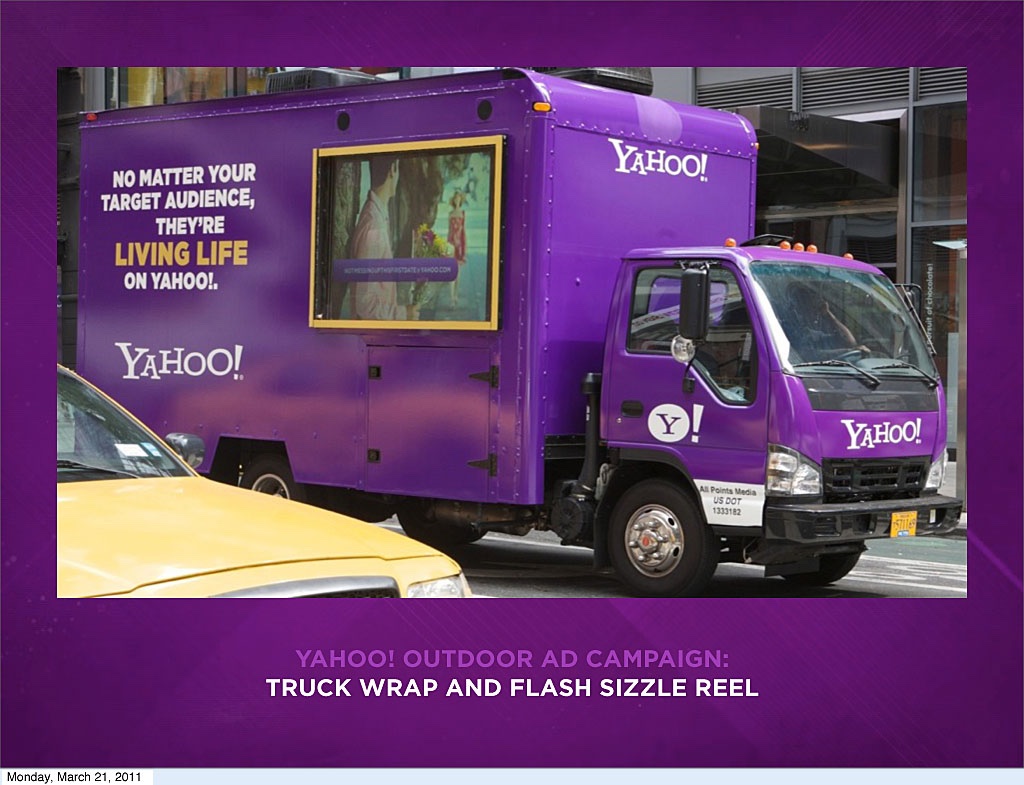
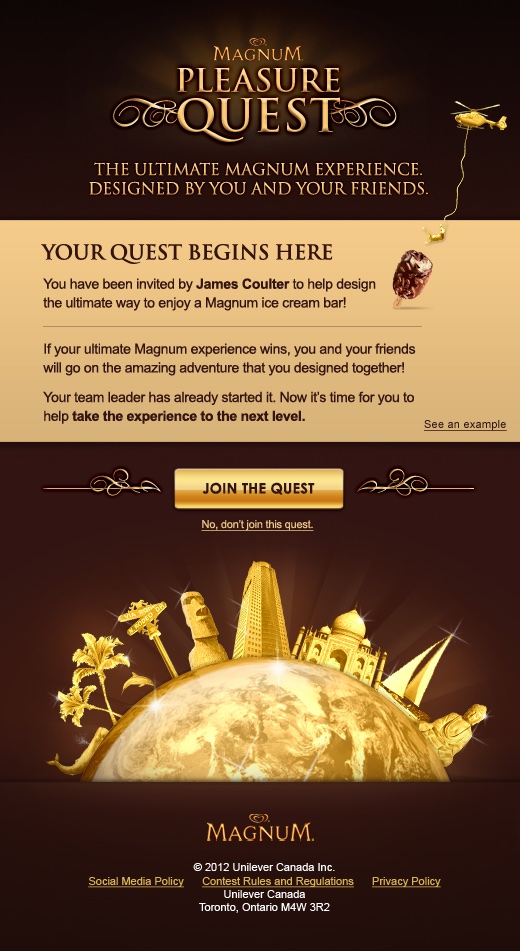
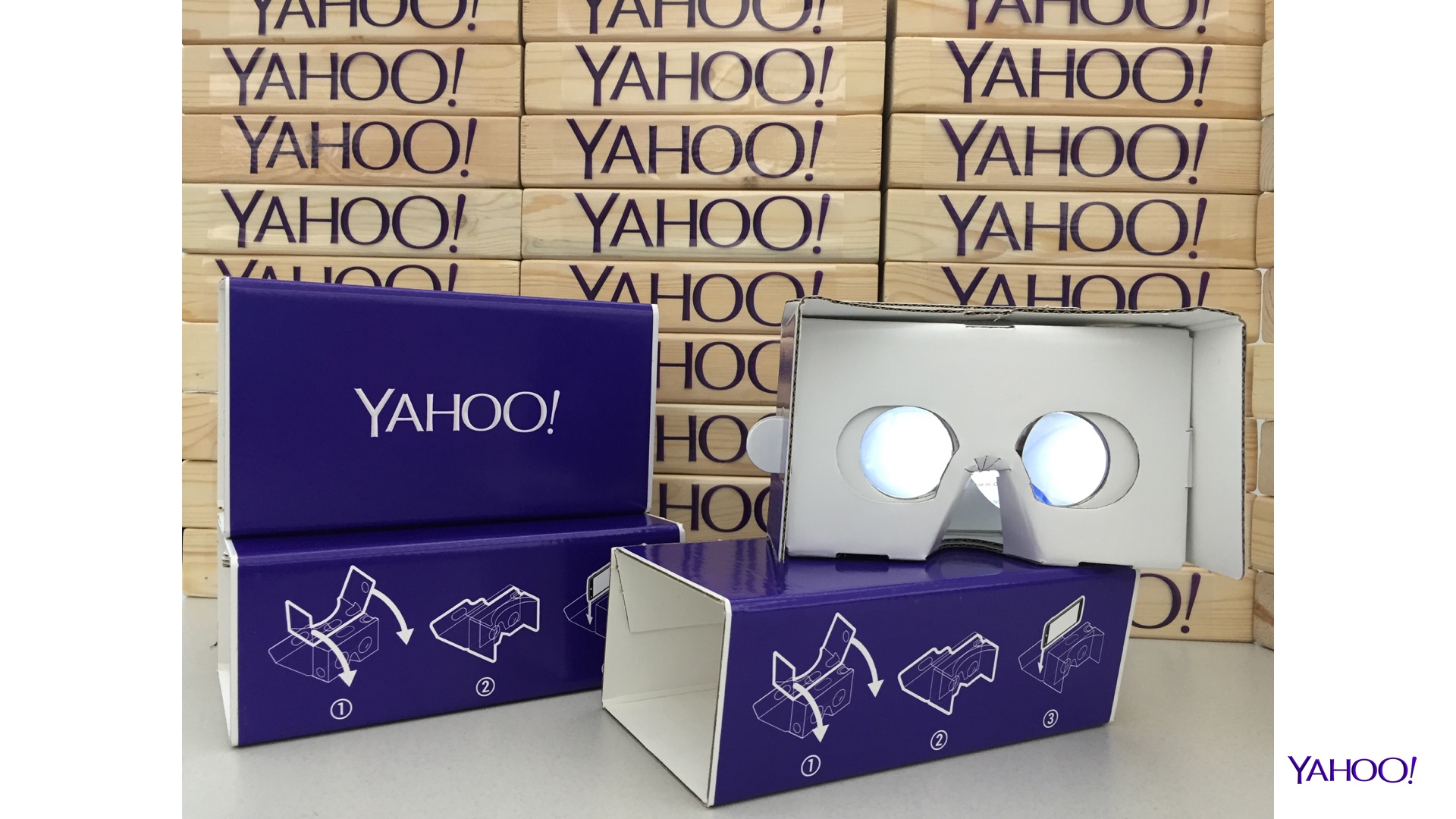
Work that left the screen: a Yahoo truck wrap and sizzle reel, the Magnum Pleasure Quest invitation, and branded packaging and premiums.