Generative AI Films
The problem
Generative tools are easy to demo and hard to finish with. Nothing exposes that gap like committing to a whole film.
The approach
Make original work with no client and no brief, so the pipeline is tested against a real edit rather than a single striking frame.
What was built
Six films built end to end — concept, generation, direction, edit — across roughly 1,400 images and 1,950 video files.
The outcome
The techniques that survive here are the ones that go into client pipelines. Pendleton and Studio Wildcard run on what these films proved.
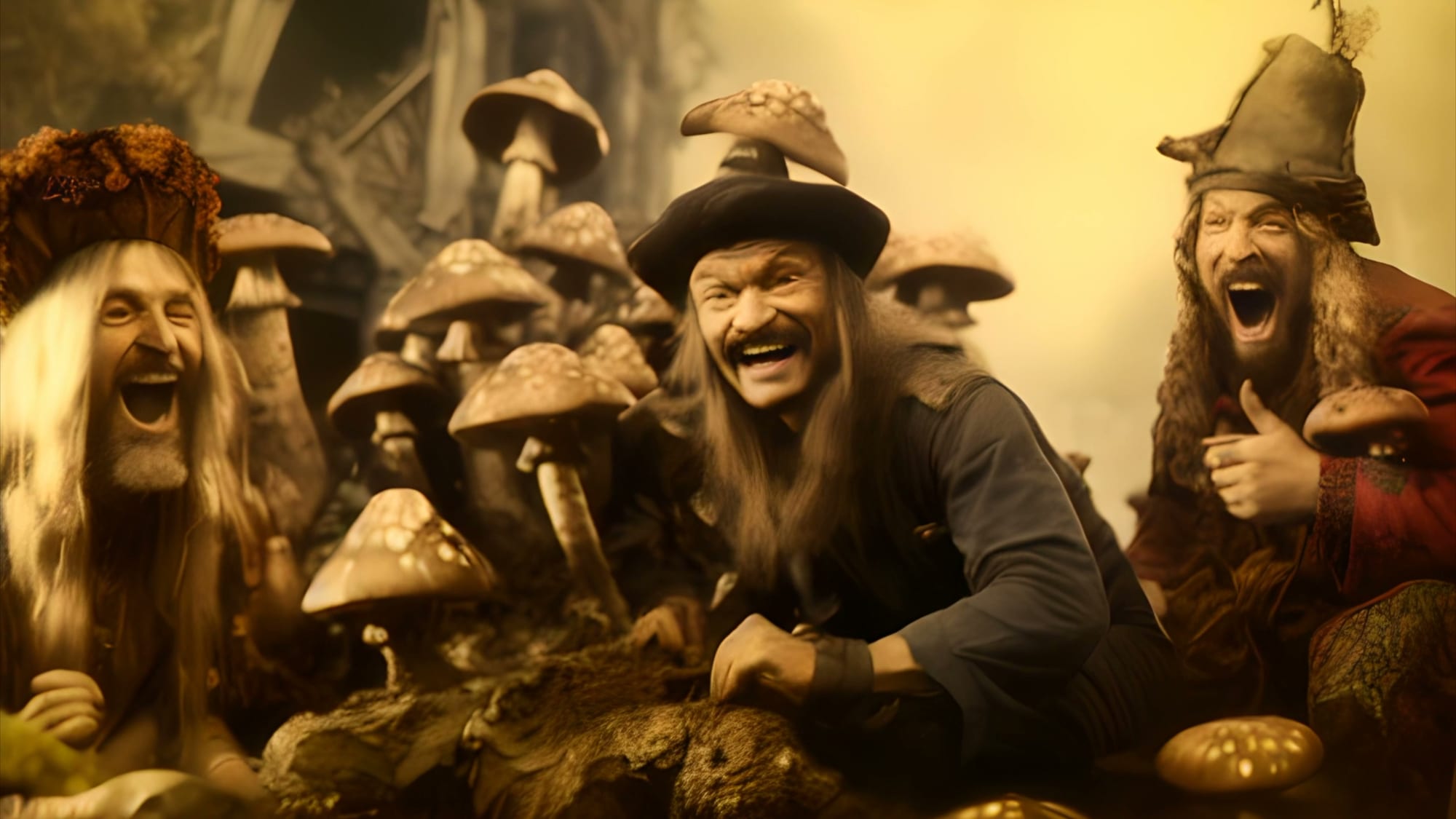
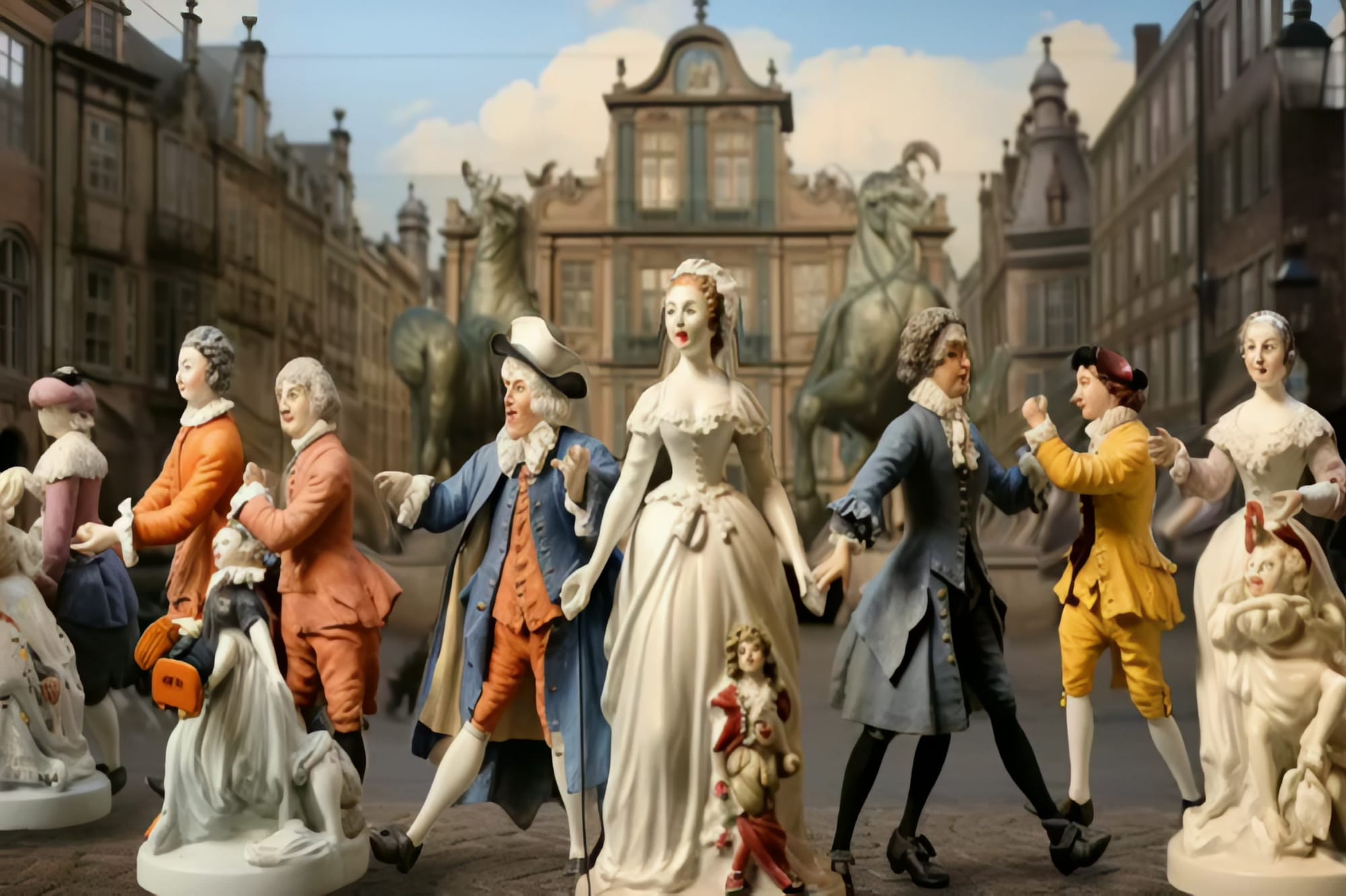
Six original short films made with generative tools between 2018 and 2026: Town of Porcelain People, Mushroom Cavalcade Trailer, The Alchemist Zoom, Ziggy Stardust, JK5, and Maze.
These are authored, not commissioned. There is no client, no brief, and no approval chain — which is the point. A generative pipeline that produces one arresting image is easy; a pipeline that holds character, lighting and tone across a whole edit is a different problem, and the only way to find its limits is to finish something.
The relationship to the client work runs one way. Techniques get proven here first — consistency across shots, direction over a model that would rather improvise, the point at which it is faster to shoot than to generate — and the ones that survive go into production pipelines like Pendleton’s accessories library and Studio Wildcard’s asset workflows.
Ziggy Stardust
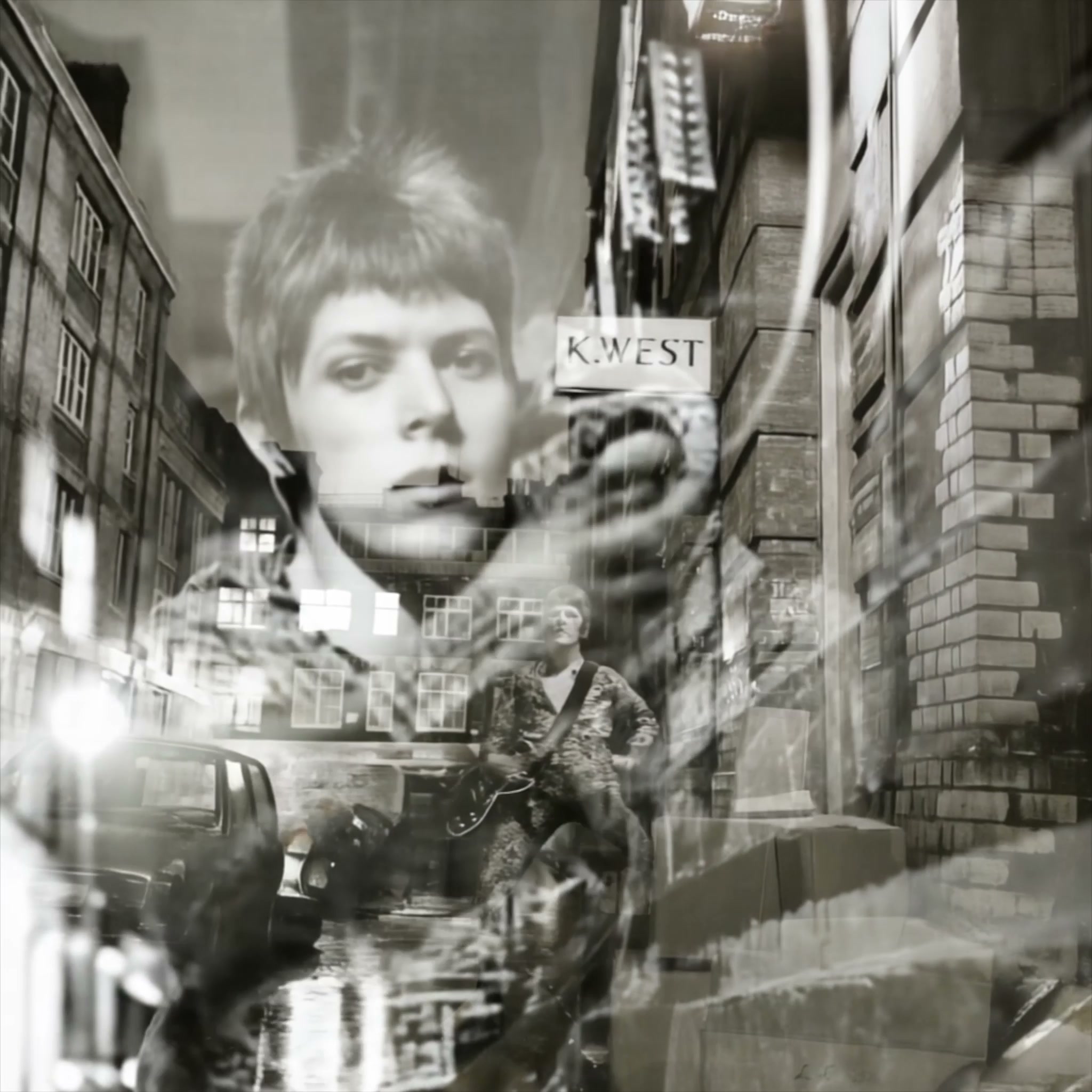
The assignment: the 1972 Ziggy Stardust album cover was shot by Brian Ward on Heddon Street, London — one frame from a full session, the rest rejected. The question behind this film was what those rejected frames could become if the photo shoot itself was treated as the raw material for a music video, rather than a single cover image.
A note on likeness. This uses David Bowie’s actual photographed likeness from that real shoot as its starting point, extended into motion and narrative — an unlicensed historical-recreation experiment, not a claim of endorsement, rights, or estate approval. Shown here as what it is: a technical and creative study, not licensed media.
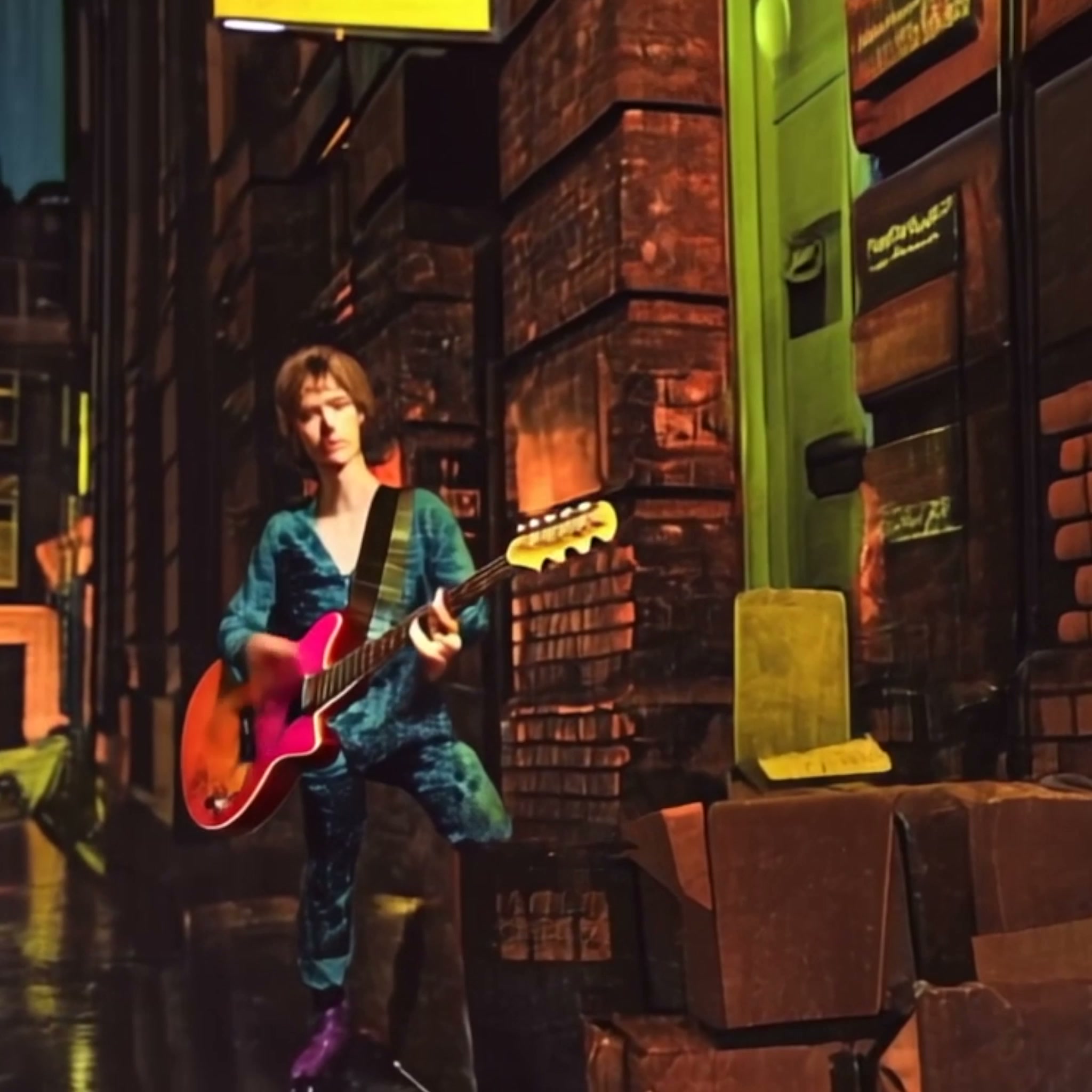
A finished, 3-minute-14-second piece — the most complete single film in this archive — cut at 2048×2048, square format. It moves between a black-and-white register that stays close to the real session and location, and a more saturated, invented one: a stylized figure with an electric guitar moving through a warped, neon-lit alley that exists only as a generative extension of where that photo shoot could have gone.
The films are where the pipeline gets pushed before a client ever sees it.