The studio

Bespoken AI Solutions.

Most generative work survives the first look and fails the second — the image is convincing until someone who knows the product sees the seam in the wrong place. Bespoken builds the pipelines where that does not happen.

Pendleton Woolen MillsStudio WildcardSpace NeedleF-ComplyThe Joinery

AI work already shipped.
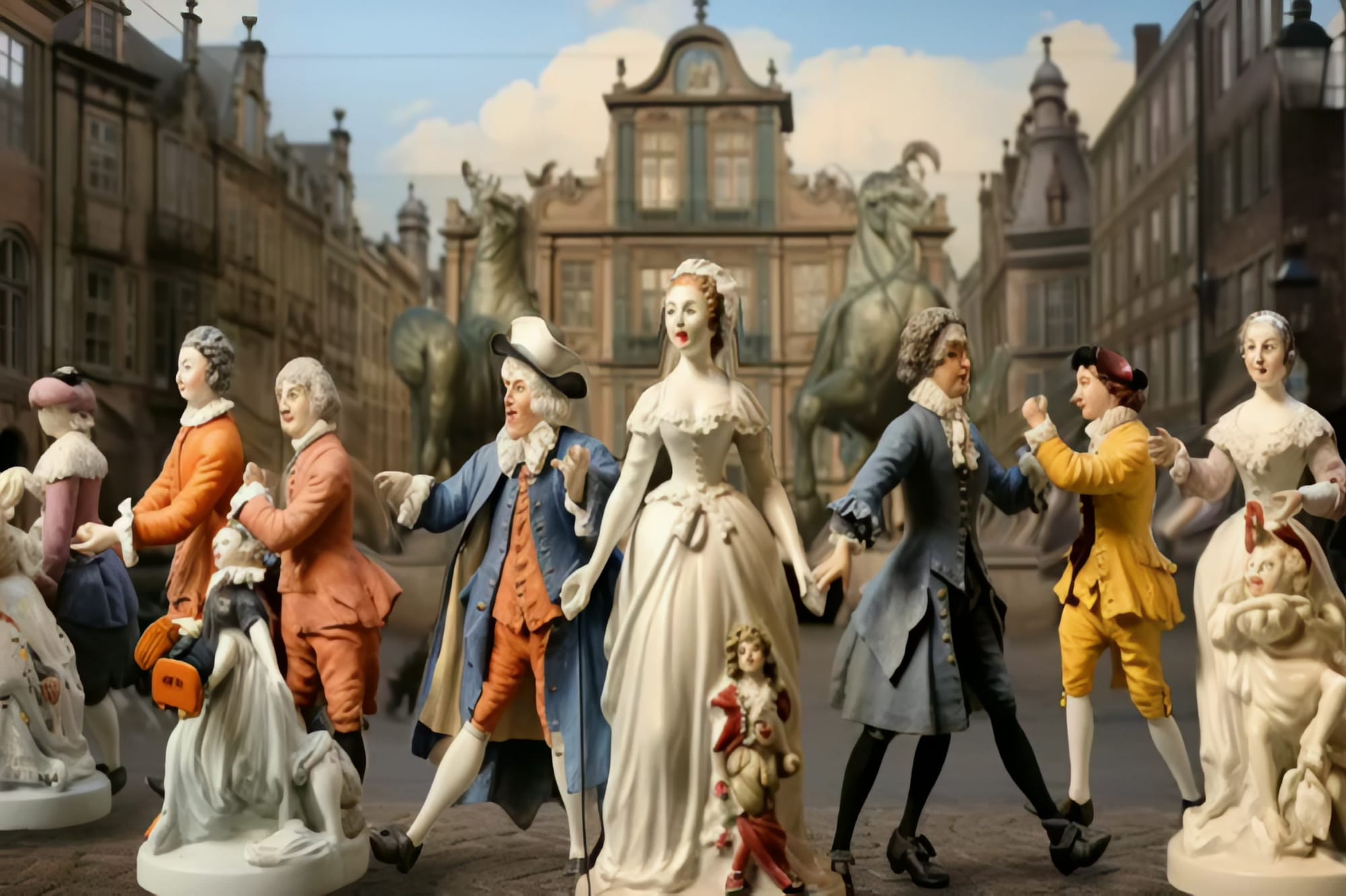
Generative AI Films
2018–2026 · genai

Generative AI Films

Six original short films made with generative tools — Town of Porcelain People, Mushroom Cavalcade Trailer, The Alchemist Zoom, Ziggy Stardust, JK5, and Maze. Authored work, not client commissions: the place where the pipelines get pushed before they meet a deadline.

Self-reportedView case study →
Pendleton Woolen Mills
2025–2026 · genai

Pendleton Woolen Mills

An embedded AI production engagement for Pendleton's wholesale book and website — custom applications deployed inside Pendleton's own systems, generating catalog-ready product photography from CAD assets. 1,419 images delivered across 61 styles in six weeks; on-model photography alone scaled from a ~20-image pilot to 716 delivered images.
DefensibleView case study →
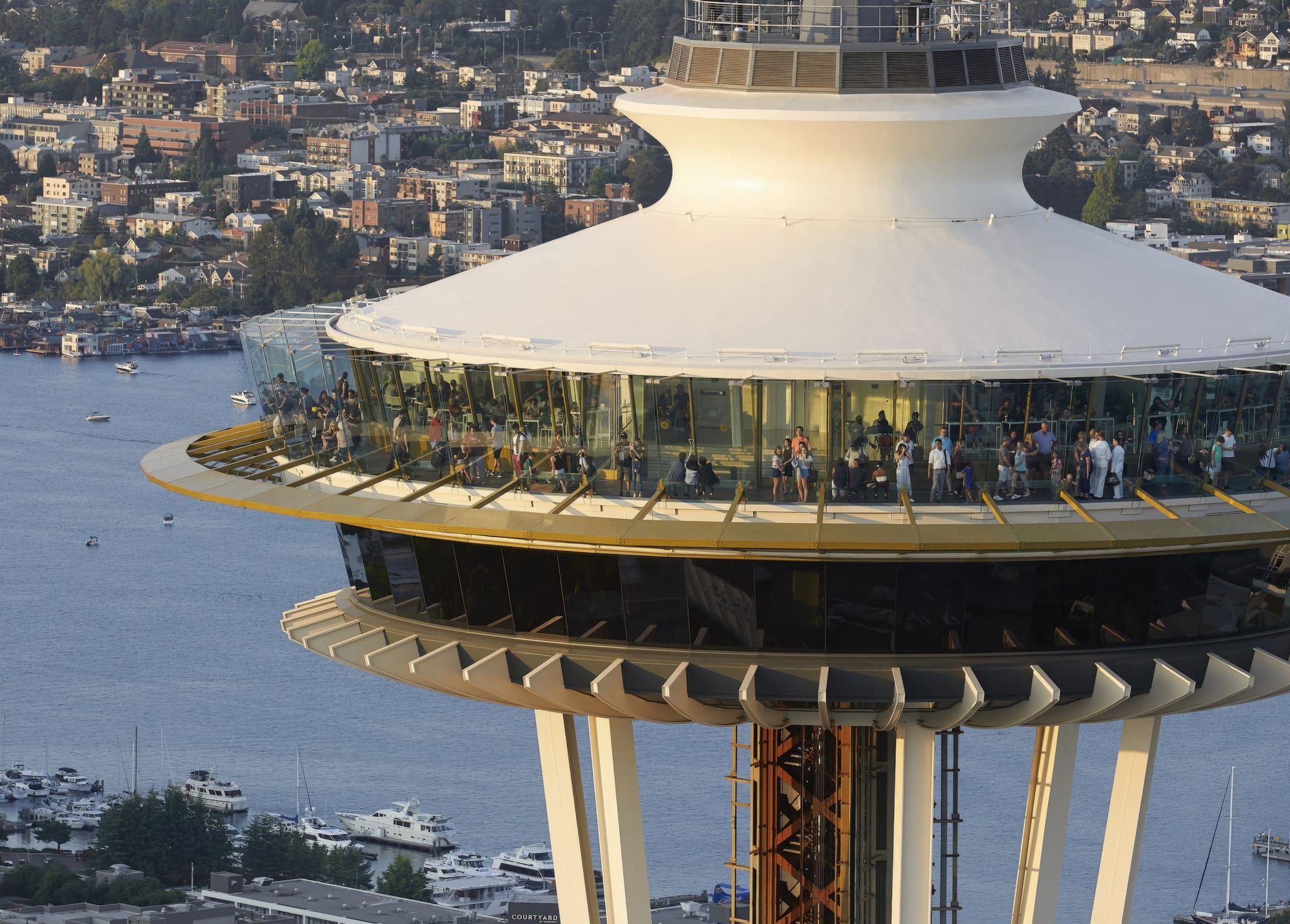
Space Needle — A Decade of Every Medium
2014–2026 · mixed

Space Needle — A Decade of Every Medium

One client, seven engagements, a decade-plus: the Zoomable City gigapixel kiosk (2014), long-term timelapse (2016), a VR block party activation, a VR bungee-jump experience (2018), the VR Bar (2017), the Loupe Lounge (2023), and current AI production work through Bespoken AI Solutions (2025-26) — the same relationship, evolving with every medium shift.
VerifiedView case study →
Studio Wildcard
2025–2026 · genai

Studio Wildcard

Studio Wildcard came in against a pre-launch deadline needing narrative cutscenes — the cinematics that play over a game's loading sequence, carrying the story forward while the next area loads in the background. Working from the studio's own storyboards and characters, Gavin produced the finished cutscenes ahead of launch.

Self-reportedView case study →
The Joinery
2026 · genai

The Joinery

Generative-AI product rendering for a Portland, Oregon furniture maker — every piece in the catalogue reproduced across five wood species, with upholstered pieces additionally rendered in ten fabric and leather options, live on the client's own product pages.
DefensibleView case study →
F-Comply
2024–2025 · mixed

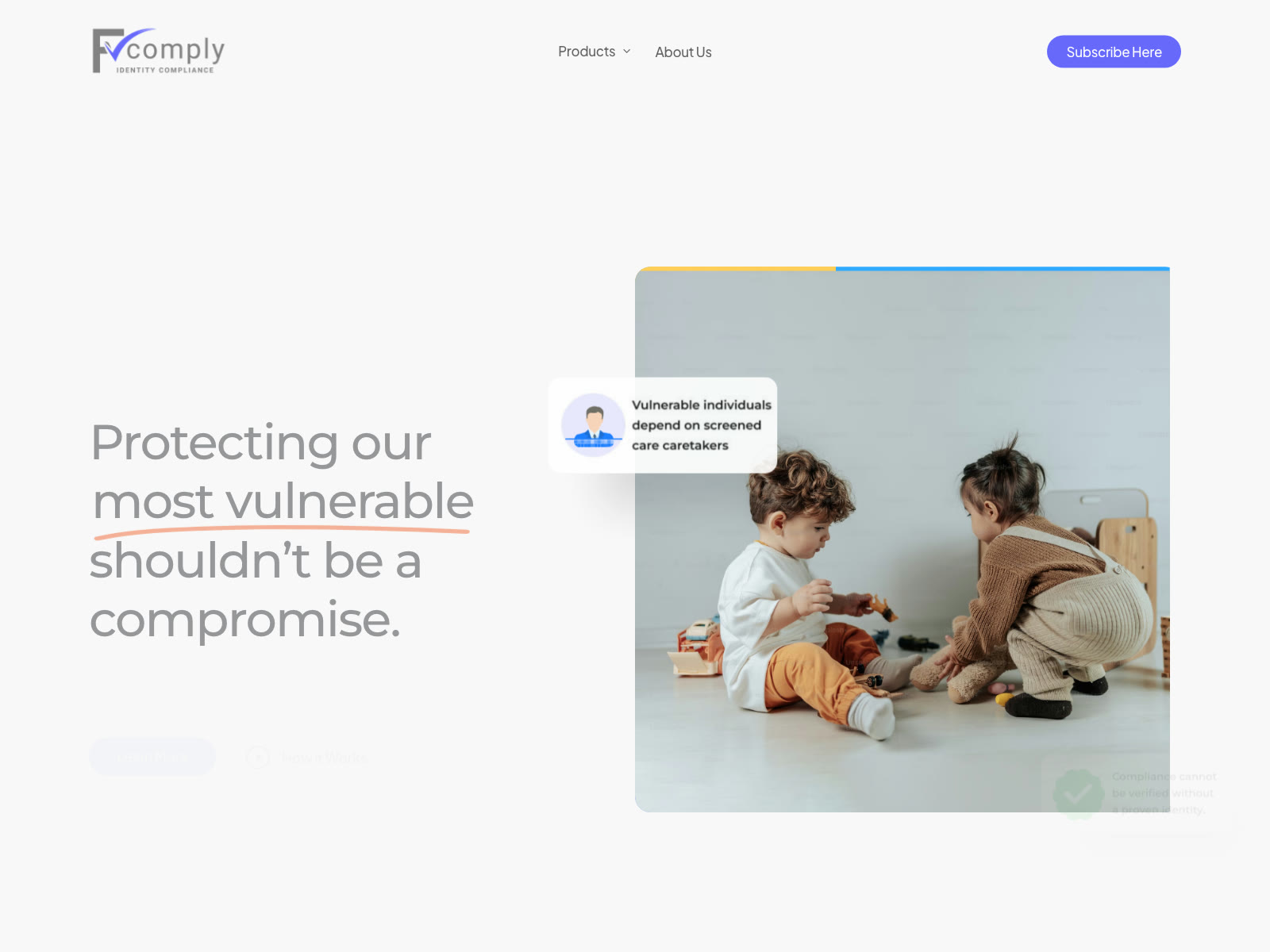
F-Comply

Video production, logo/brand design, and investor-document work for F-Comply, an Oregon identity-verification and child-safety compliance startup.
DefensibleView case study →
Fast Fires Are Preventable
2025 · design

Fast Fires Are Preventable

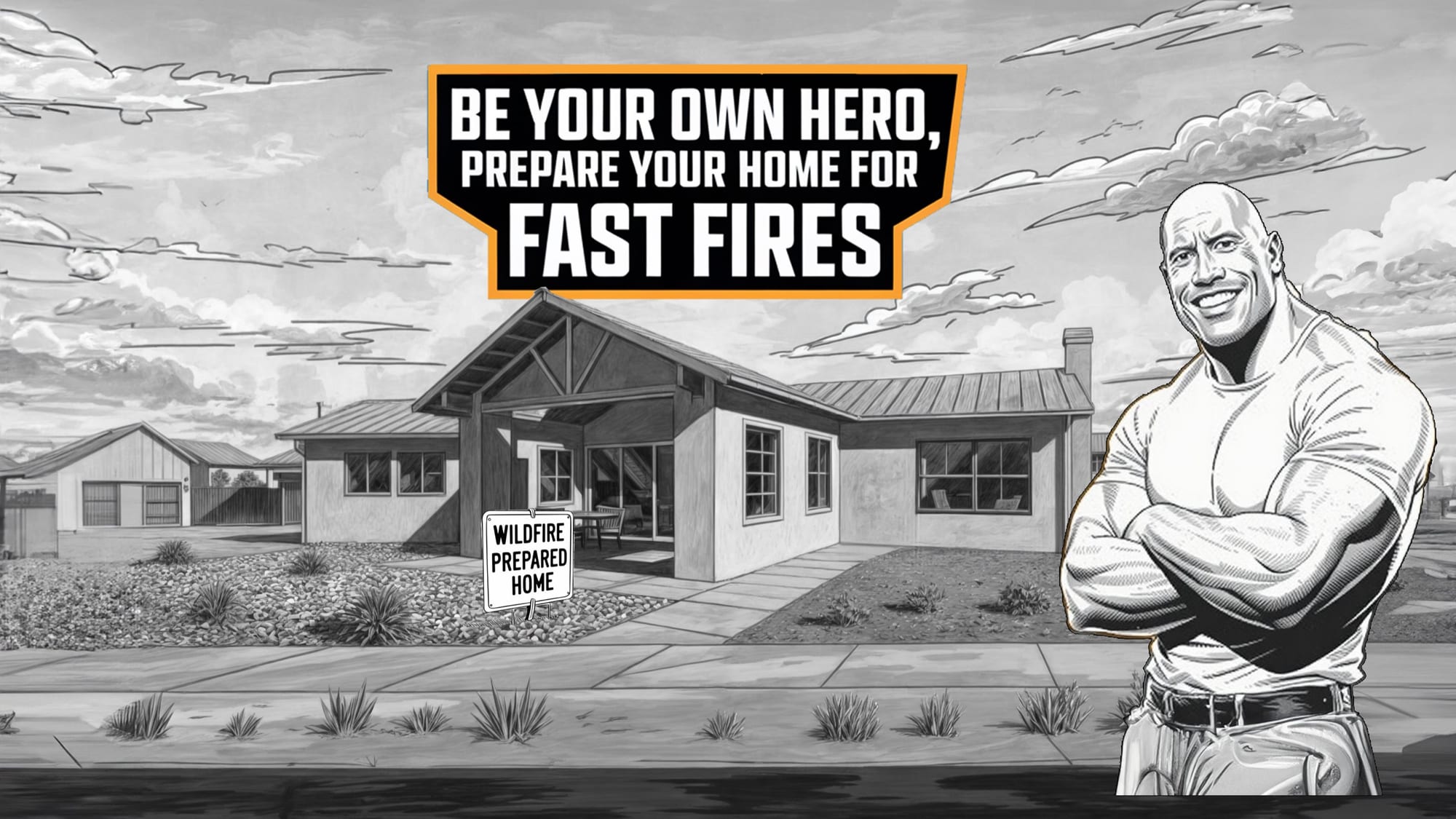
Five tonally distinct celebrity-fronted PSA concepts for a wildfire home-hardening campaign, built and iterated across six weeks using generative-AI image tooling — photo-real comedy, black-and-white sports comic, retro rock poster, heroic key art, and a buddy-comedy storyboard, all from a single brief. Picked up for production by Fire Safe People; casting and release details are under NDA.
DefensibleView case study →
Wildfire Ready
2025 · design

Wildfire Ready

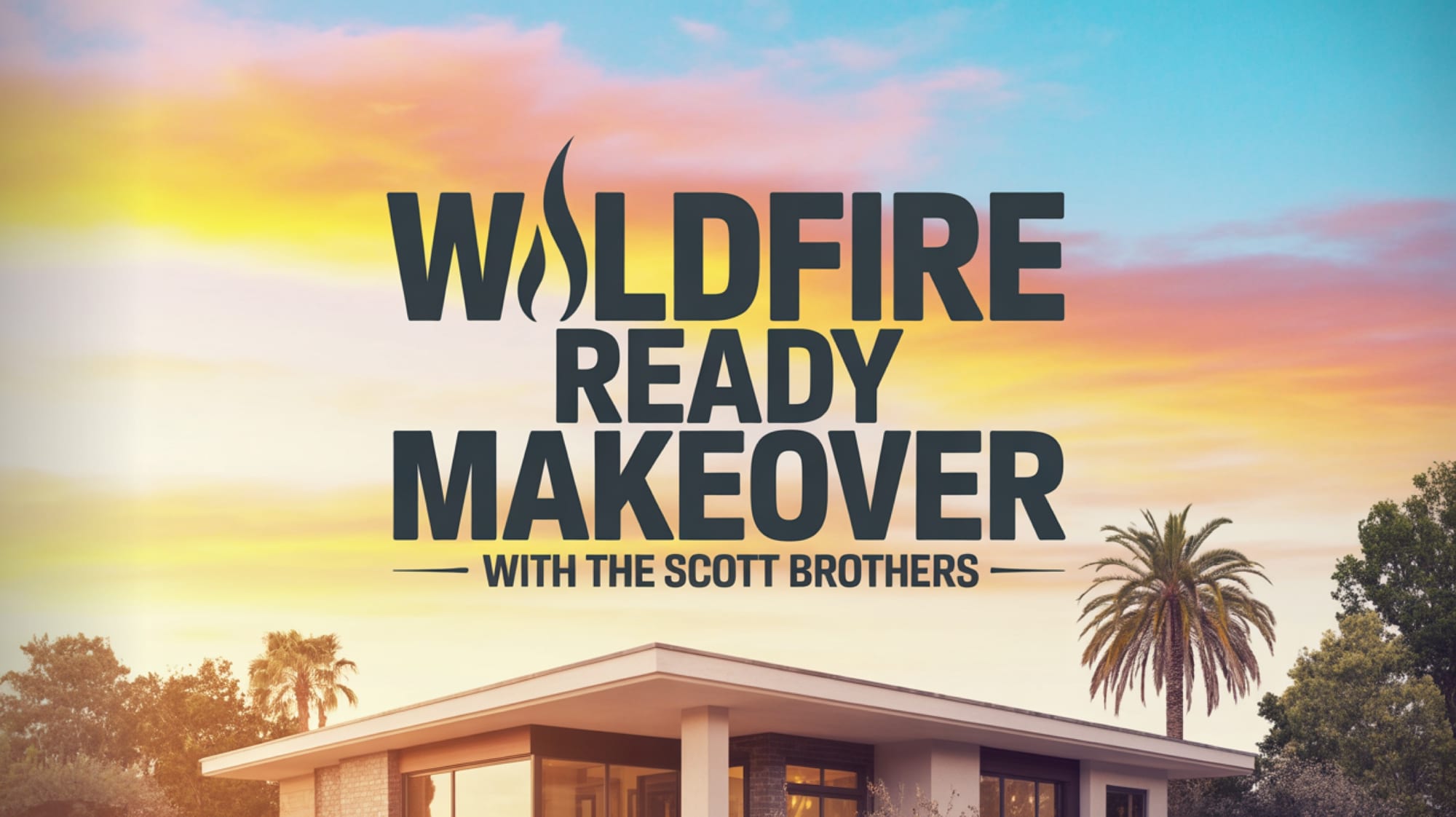
A home-improvement TV pitch package and a ~20-image architectural render library proving a wildfire-hardened home doesn't have to look like a gravel lot — plus a before/after guide that redraws ~50 real inspection photos into a clean, legible comparison. Picked up for production by Fire Safe People; casting and release details are under NDA.

DefensibleView case study →

Plausible is not the same as correct.

A demo only has to look right once, to a room that wants it to work. A catalogue has to survive a merchandiser who knows what the product actually looks like, a brand team protecting a colour, and a legal review. Most generative pipelines are built to clear the first bar, which is why so much of this work stops at the proof of concept and never reaches production.

The studio is built around the second bar. Everything below is a working rule from a real engagement rather than a principle written after the fact.

01

Masked, not re-rendered

The parts of a product that must not change are held identical rather than regenerated and hoped over. A model that redraws the whole frame will redraw the details a buyer recognises.

02

Measured against the original

Every variant is checked against the source product, never against the other variants. A set can drift together and stay perfectly consistent with itself while all of it is wrong.

03

Verified by eye

Automated checks generate candidates; they do not decide. The defects that matter — a seam in the wrong place, a grain running the wrong way — pass every metric and fail the first person who knows the product.

What a client actually gets.

01

Product imagery without the shoot

Colourways, materials and configurations rendered to the brand’s existing standard, so the number of variants stops being limited by how many can be photographed.

02

A catalogue that keeps pace with the line

When imagery is produced computationally, a new SKU is no longer waiting on a studio booking. Seasonal lines and long tails get merchandised at the same quality as hero product.

03

A pipeline the team runs without Gavin

Prompt libraries, review steps and documentation built to survive the person who wrote them. The engagement is not a dependency.

04

The judgment about what is good

Art direction over generative output — deciding which of a thousand plausible results is the one that ships. It is the part the tools do not supply.

Four ways in.

Most clients start at the top of this list rather than the bottom. Each step is designed to be worth doing on its own, and to make the next one an easier decision.

  1. 00

    One product, proved

    Pick the hardest thing in the catalogue. Gavin renders it and puts the result next to the photograph. The shortest way to find out whether this works for a particular product.

  2. 01

    Production audit

    A mapping of the content supply chain front to back — where imagery costs the most, takes the longest, and fails review. Delivered as a written report with a scoped first build at the end of it.

  3. 02

    The build

    One pipeline, one category, measured against what the work cost before it existed. Scoped small enough to ship and be judged on a number rather than on a demo.

  4. 03

    Ongoing production

    The pipeline run as a service across seasons and lines. Most of this work is recurring by nature — new products arrive whether or not the pipeline is maintained.

Start with one product?

The fastest way to find out whether this works for a particular catalogue is to try it on the hardest thing in it. That is usually a short conversation and a single image.